 EN
EN



1. Introduction: The Transformation of the Global Bag Industry
As a barometer of China's foreign trade, each session of the Canton Fair showcases the latest products, overseas purchasing preferences, and trends in industrial transformation within the bag industry. The results of the Spring 2024 Canton Fair demonstrate that the old, extensive growth model—reliant on low prices and high volumes—has become completely obsolete. The industry has entered a new phase of high-quality development characterized by green upgrades, smart technologies, market segmentation, supply chain restructuring, and flexible order iteration.
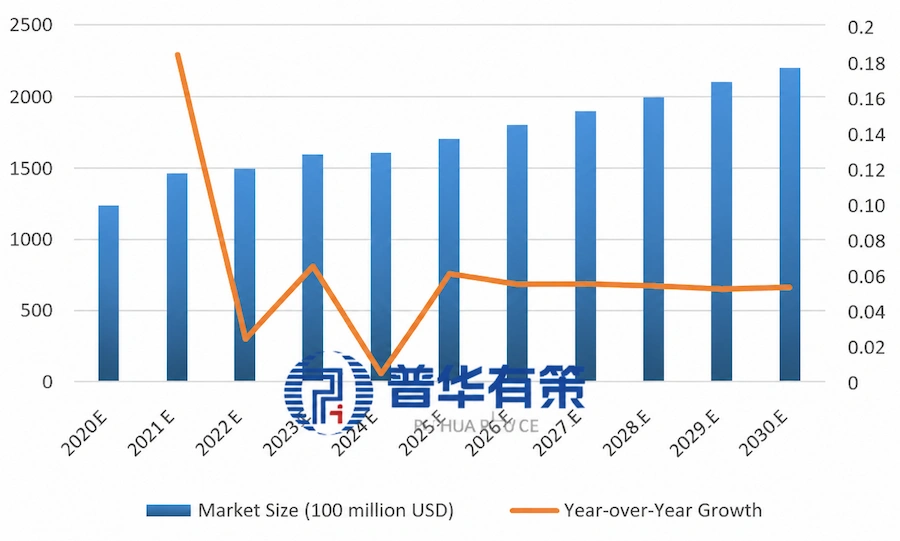
According to industry data from Puhua Youce, the global retail market for luggage and bags reached $170.2 billion in 2025 and is projected to surpass $220 billion by 2030, indicating significant room for overall industry growth. Meanwhile, data from the China Leather Industry Association shows that in the first three quarters of 2025, the bag industry saw an 11.5% decline in export value and a 13.9% drop in export unit prices; the root cause is the complete erosion of the dividends from the traditional low-end contract manufacturing model upon which Chinese enterprises had long relied.
Driven by the convergence of global consumption upgrades, the implementation of carbon neutrality policies, and innovations in cross-border trade models, five core trends are reshaping the competitive landscape of the global bag manufacturing industry, becoming pivotal factors that determine a company's future market influence. Drawing on actual transaction data from the Canton Fair and authoritative industry statistics, this article provides an in-depth analysis of the future development trajectory of the bag industry.
2. Green Sustainability Becomes the Industry Standard
The comprehensive implementation of global carbon neutrality policies and the continued tightening of environmental access standards in overseas markets—such as Europe, the US, Japan, and South Korea—coupled with a widespread awakening of green consumption awareness among end consumers, are driving a disruptive transformation in the materials used across the bag industry.
In the current market, green materials—such as recycled PET fabrics, biodegradable bio-based materials, and recycled leather—are becoming widely adopted, gradually replacing traditional, highly polluting, and non-biodegradable materials like PU and PVC. At this Canton Fair, inquiries and orders from overseas buyers for eco-friendly bags continued to rise. Products holding environmental certifications and low-carbon traceability credentials not only face lower customs hurdles and fewer trade barriers but also command higher price premiums, offering significantly better market profitability than products made from traditional materials.
In the future, eco-friendly materials will no longer be merely a bonus feature for corporate differentiation; instead, they will serve as a fundamental entry threshold for accessing the global market.
3. The Rise of Smart Technologies in Bags
As the markets for global business travel, cross-border tourism, and short-distance commuting continue to boom, consumer demand for bags has moved beyond basic storage functions; "smart travel" has emerged as a new essential requirement.
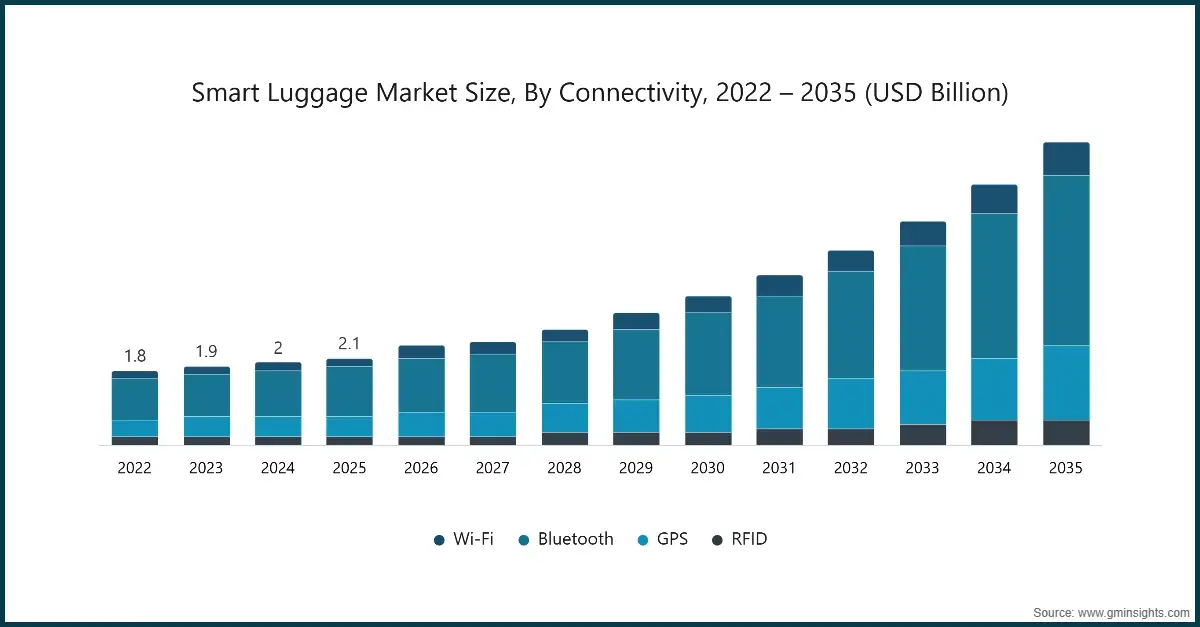
According to data from Global Market Insights, the global smart luggage market was valued at $2.1 billion in 2025 and is projected to climb to $7.3 billion by 2035, demonstrating rapid industry growth. Mainstream smart technologies in the market are continuously evolving; features such as intelligent automatic weighing, external USB fast charging, Bluetooth-enabled anti-loss tracking, and remote anti-theft unlocking have transitioned from conceptual designs to mass-produced products, precisely meeting the core needs of high-end business travelers and those engaged in cross-border travel.
Smart upgrades have unlocked significant growth potential in the high-end segment of the bag industry, serving as a key breakthrough for companies aiming to capture high-value markets.
4. The Rapid Growth of Scenario-Specific Bags
As lifestyles diversify and consumer needs become increasingly segmented by specific use scenarios, the bag industry is moving away from homogeneous competition among general-purpose products. Specialized, scenario-driven functional bags are experiencing strong structural growth opportunities.
A 2025 specialized survey of the bag industry reveals that the market for specialized, functional bags has significantly outperformed traditional general-purpose bags in terms of market interest and order volume, emerging as the industry's most dynamic growth segment. The range of popular niche product categories in the current market continues to expand, encompassing diverse types such as waterproof and abrasion-resistant outdoor bags, specialized medical protective bags, lightweight bags for parents and infants, expandable bags for short-distance commuting, protective bags for industrial tools, and spine-protecting schoolbags for children. These specialized bags move away from the drawbacks of "one-size-fits-all" designs; instead, they optimize structure, materials, functionality, and details for specific use cases, precisely aligning with current demands for refined consumer products and foreign trade procurement.
For small and medium-sized manufacturers, deeply cultivating a single niche scenario and creating specialized, functional products represents the optimal path to avoid cutthroat price competition and achieve a breakthrough through differentiation.
5. The Restructuring of the Global Bag Supply Chain
For a long time, the traditional foreign trade of bags has primarily relied on a three-tier supply chain model: factory—trader—overseas buyer. However, this model suffers from numerous pain points, such as cost premiums, long delivery lead times, low communication efficiency, and difficulties in maintaining quality control.
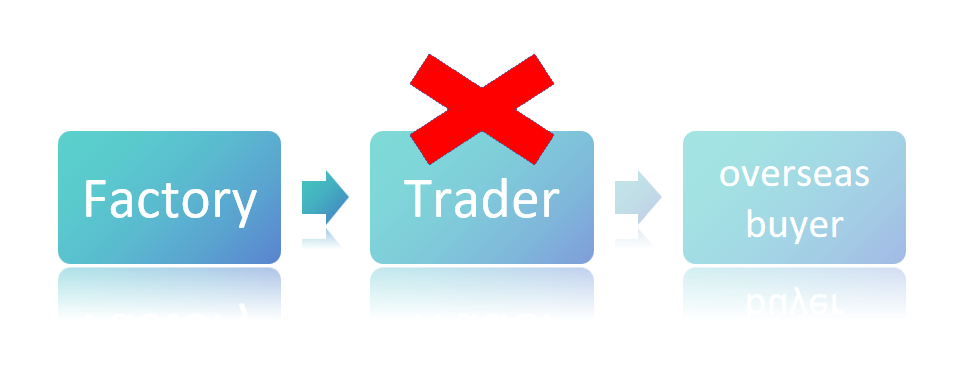
The current foreign trade environment is compelling supply chain systems to transform towards flatter and more transparent structures. An increasing number of overseas buyers are bypassing intermediaries to deal directly with domestic manufacturers at the source, fundamentally disrupting the traditional trade landscape. This transformation achieved a win-win outcome for both supply and demand: For overseas buyers, eliminating intermediary markups effectively reduces procurement costs while enabling direct engagement with manufacturers, ensuring precise control over product quality, customization details, and delivery schedules. For manufacturers at the source, this can significantly boost profit margins while enabling direct engagement with end markets, allowing for the precise tracking of shifting overseas demand.
The trend toward supply chain flattening has also placed new capability demands on bag factories. In the future, only source factories possessing independent foreign trade capabilities, robust quality control systems, professional cross-border service expertise, and the ability to respond rapidly to market demands will be able to consistently capture market share in the foreign trade sector.
6. The Evolution of Order Models in Bag Manufacturing
The pace of evolution in the global consumer market continues to accelerate, the lifecycles of viral hit products have shortened drastically, and the inventory risks associated with bulk stocking by overseas retailers have surged. The traditional contract manufacturing model—characterized by high volumes, standardization, and long lead times—is no longer suited to the pace of today's market. Demand for small-batch trial orders and flexible, personalized customization has seen explosive growth, becoming the dominant form of foreign trade orders.
Overseas buyers currently prefer to test market response with small-batch trial orders and then place follow-up orders based on end-market sales. This shift has compelled domestic bag manufacturers to accelerate the flexible upgrading of their production lines—optimizing workflows, shortening product-changeover cycles, and reducing the costs of small-batch production—to meet the demand for multi-batch, small-volume, and rapid-response orders.
This shift is reshaping the industry landscape. Flexible production, rapid customization, and product innovation capabilities are replacing production scale as the key factors determining a factory’s core competitiveness.
7. Industry Summary and Future Outlook
The global bag manufacturing industry is currently undergoing five core transformations: a shift toward eco-friendliness, smart technology, and scenario-specific segmentation on the product side; and a move toward flattened supply chains and flexible order management on the industrial side. Industry competition has completely moved beyond the "race to the bottom" on price, shifting instead to a contest of comprehensive strength—encompassing product technology, design innovation, supply chain efficiency, customized services, and brand value.
Faced with a new industry landscape, bag manufacturers must evolve in step with trends and strategically position themselves with precision. Only by adapting to industry trends and accelerating transformation can companies overcome challenges such as declining margins and intensifying competition, while continuously capturing new growth opportunities in the global bag market.
Related Reading
Table of Contents
- 1. Introduction: The Transformation of the Global Bag Industry
- 2. Green Sustainability Becomes the Industry Standard
- 3. The Rise of Smart Technologies in Bags
- 4. The Rapid Growth of Scenario-Specific Bags
- 5. The Restructuring of the Global Bag Supply Chain
- 6. The Evolution of Order Models in Bag Manufacturing
- 7. Industry Summary and Future Outlook