 EN
EN


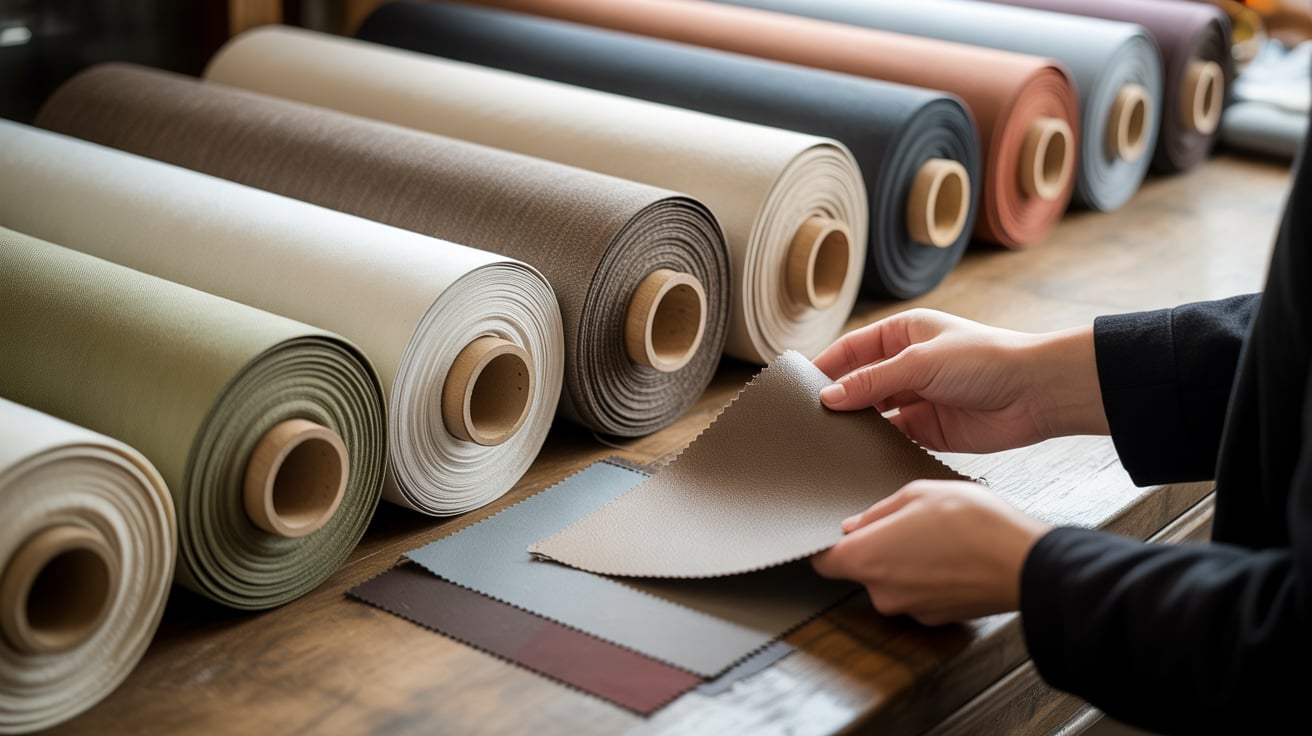
The quality of a backpack largely depends on the fabric used. Selecting the right backpack fabric not only affects the product's durability, protective performance, and aesthetic appeal, but also directly influences manufacturing costs and market positioning.
This article will introduce common backpack fabric types, key performance parameters, and material selection guidelines to help you choose the most suitable fabrics for different types of backpacks.
1. Backpack Fabric Specifications
Understanding fabric specifications is essential for comparing different backpack fabrics.
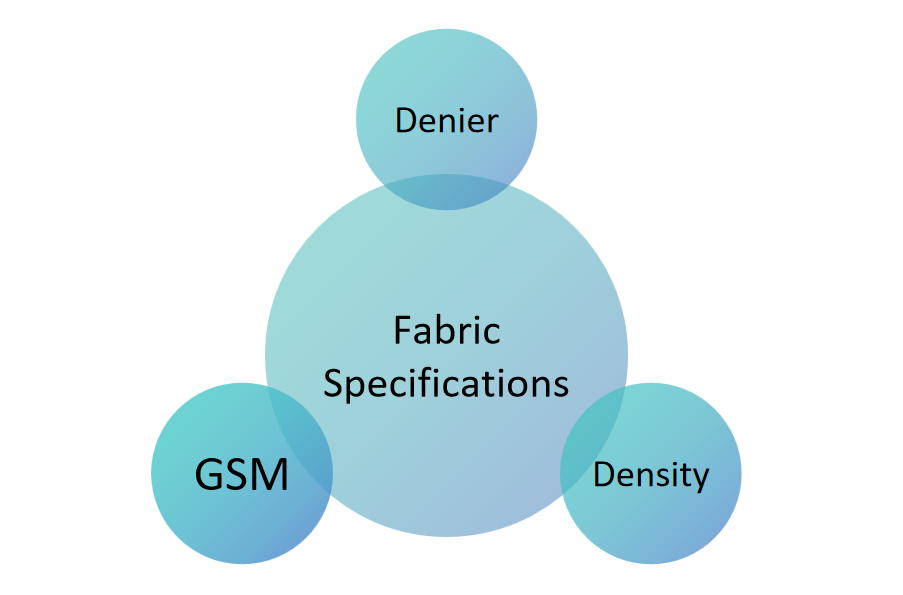
1.1 Denier(D)
Denier is a key indicator of yarn thickness. A higher value indicates a thicker yarn, resulting in fabric with greater strength and abrasion resistance. It is important to note that a higher D-value does not necessarily mean better quality. The actual performance of the fabric is also influenced by various factors, such as yarn material and weaving techniques.
1.2 Fabric Density
Fabric density indicates the tightness of the fabric structure per unit area. Higher density typically results in better abrasion resistance and structural stability for the fabric, though it may also increase weight and cost. Even if two fabrics have the same D-value, their performance may differ significantly due to differences in density.
1.3 Fabric Weight (GSM)
GSM (Grams per Square Meter) indicates the weight of the fabric per square meter. In general, the lower the GSM, the lighter the fabric; the higher the GSM, the heavier and thicker the fabric tends to be.
2. Common Backpack Fabric Materials
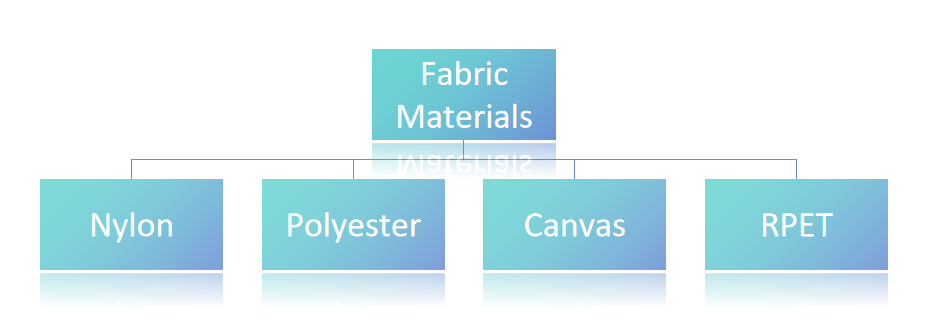
2.1 Nylon
Due to its excellent performance, nylon has long been one of the most commonly used materials for high-quality backpacks.
Advantages:
-
- High tensile strength
- Excellent wear resistance
- High tear resistance
- Long service life
Disadvantages:
-
- Higher cost compared with polyester
- Slightly higher moisture absorption
- Performance may decline after prolonged UV exposure
Common products:
-
- Business laptop backpack
- Outdoor backpack
- Tactical backpack
- High-end travel backpack
2.2 Polyester
Thanks to its excellent cost-performance ratio and good processing characteristics, polyester fiber is currently one of the most widely used fabrics for backpacks.
Advantages:
-
- Low cost
- Excellent color performance
- Good UV resistance
- Low moisture absorption
- Easy to print and dye
Disadvantages:
-
- Lower abrasion resistance compared with nylon
- Relatively weaker tear resistance
Common products:
-
- Student backpack
- Commuter backpack
2.3 Canvas
Canvas is typically made of cotton, polyester, or a blend of the two.
Advantages:
-
- Good wear resistance and structural stability
- Natural appearance with a unique texture
- Easy to customize through processes such as printing and embroidery
Disadvantages:
-
- Heavier than nylon and polyester fabrics
- Lower natural water resistance
- Cotton canvas has higher moisture absorption
Common products:
-
- Casual Backpacks
- Fashion Backpacks
- Creative & Cultural Backpacks
2.4 RPET (Recycled Eco-friendly Fabric)
RPET is essentially a recycled polyester fiber, typically produced by reprocessing recycled plastic bottles; it helps reduce plastic waste and lower resource consumption.
As the global trend toward sustainable development gains momentum, RPET has become an eco-friendly material attracting the attention of an increasing number of brands; many international brands now require suppliers to hold certifications such as the GRS (Global Recycled Standard) to ensure that material sourcing meets environmental standards.
3. Common Fabric Coatings
To enhance backpack performance, the fabric often undergoes various types of coating treatments.
3.1 PU Coating
PU coating is one of the most common fabric coatings for backpack materials. Its key features include moderate cost, improved water resistance and durability, while maintaining a soft hand feel. It is commonly used for everyday backpacks, business backpacks, and travel backpacks.
3.2 TPU Coating
Compared to PU, TPU coatings offer superior abrasion resistance and water resistance. It is suitable for functional outdoor products and backpacks requiring enhanced protective performance.
3.3 TPU Lamination
TPU lamination is a process that bonds a separate TPU film layer to a fabric substrate, forming a composite fabric. Compared with traditional coatings, TPU lamination creates a more continuous and complete protective layer, delivering more stable waterproof performance.
3.4 DWR(Durable Water Repellent)
DWR is a durable water-repellent treatment that allows water droplets to bead up and roll off the fabric surface instead of being immediately absorbed. It is important to note that DWR does not make a fabric completely waterproof; its primary function is to enhance surface water repellency.
|
Type |
Water Performance |
|
DWR Treatment |
Water Repellent |
|
PU Coating |
Water Resistant (depending on coating thickness) |
|
TPU Coating |
Enhanced Water Resistance |
|
TPU Lamination |
High Waterproof Performance |
4. Backpack Fabric Construction
In addition to factors such as fabric specifications and material types, fabric construction also influences the final performance of the fabric. It refers to the structural characteristics of a fabric formed by arranging fibers through different weaving methods. Common terms in the industry, such as Oxford, Ripstop, Twill, and Ballistic Nylon, represent different fabric structures or fabric types, each with its own performance characteristics.
|
Type |
Performance Characteristics |
|
Oxford |
Distinct grain pattern and high structural stability |
|
Ripstop |
Good tear resistance and lightweight properties |
|
Twill |
Better softness and visual texture |
|
Ballistic Nylon |
Excellent wear resistance and durability |
5. How to Choose the Right Backpack Fabric
During actual development, the selection of fabrics requires a comprehensive consideration of various factors, such as product positioning, usage scenarios, cost budgets, functional requirements, and environmental standards. It is recommended to communicate fabric specifications thoroughly with the manufacturer during the early stages of product development and to verify actual performance through sample testing, thereby striking the optimal balance between performance, cost, and delivery requirements.
The following are common fabric choices for different types of backpacks:
5.1 Premium Business and Laptop Backpacks
These products typically require a balance of abrasion resistance, structural stability, and a professional appearance.
Common choices:
-
- 1680D Nylon
- 1680D Polyester
- Ballistic Nylon
5.2 Everyday Commuter and Student Backpack
These products focus more on cost efficiency, color performance, and suitability for large-scale production.
Common choices:
-
- 600D Polyester
5.3 Travel Backpack and Outdoor Backpack
These products need to strike a balance between durability, capacity, and weight.
Common choices:
-
- 420D Ripstop Nylon
- 900D Polyester
Among them, lightweight travel backpacks typically use Ripstop Nylon, while large-capacity travel bags tend to use 900D Polyester or higher-grade Nylon fabrics.
5.4 Tactical Backpack
Tactical backpacks are designed for heavy-duty use and long-lasting durability.
Common choices:
-
- 1000D Nylon
- Ballistic Nylon
Conclusion
The choice of backpack fabric not only affects the product's durability and user experience but also determines its market competitiveness. From nylon and polyester to canvas, each material has its own advantages and suitable applications.
For purchasers, understanding the performance characteristics of different fabrics—and making appropriate selections based on product positioning, budget, and the target market—is essential to developing backpacks that offer both quality and market competitiveness.
FAQ
Q1: Can the fabric be customized for OEM backpack projects?
A: Yes
Q2: What do "600D" and "1680D" mean when referring to backpack fabrics?
A: The "D" in 600D and 1680D stands for Denier, a unit used to indicate yarn thickness. A higher D value signifies a thicker yarn, resulting in fabric with greater strength and abrasion resistance.
Q3: Does a higher "D" rating mean the backpack fabric is better?
A: Not necessarily. The actual performance of the fabric is also influenced by various factors, such as the yarn material and the weaving process.
Q4: What fabric should be chosen for a waterproof backpack?
A: They typically require waterproof coatings such as PU/TPU coatings or composite fabrics such as TPU-laminated materials.
Q5: Is Oxford fabric considered a type of textile material?
A: No. Oxford fabric is a type of fabric construction.
Related Reading