 EN
EN


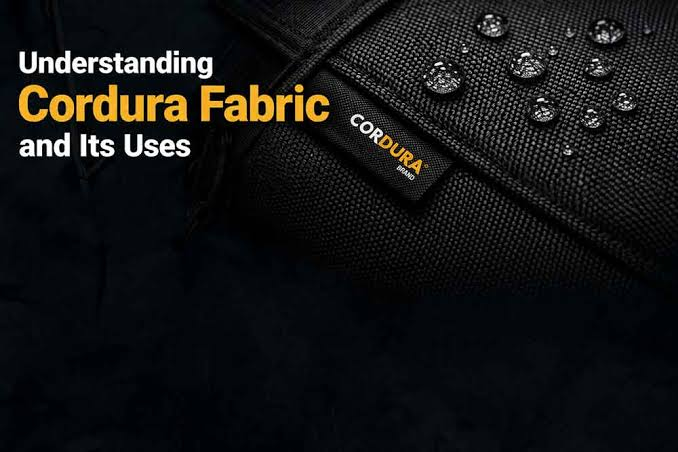
Sooner or later, every brand sourcing bags out of China receives a quotation with a word on it that no dictionary will help with: 可提拉 (Ketila).
You'll see it spelled a dozen ways — Ketila, Kedura, Cordura-style. The supplier says it like it's obvious. You nod, and move on to the price. Then a batch comes back from retail with scuffed corners and seam slip, and the post-mortem lands on one line item: the fabric wasn't what you thought you bought.
Here's what's actually going on.
1. The word means two different things
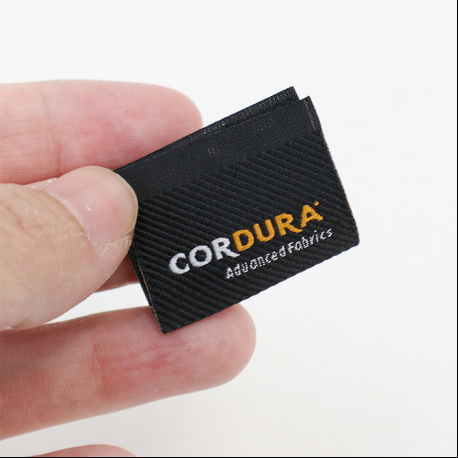
Narrowly, 可提拉 is one of the common Chinese transliterations of CORDURA® — the high-tenacity nylon most people know from military and outdoor gear.
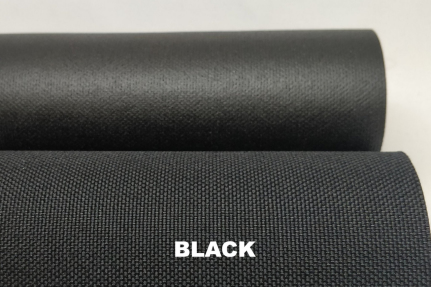
But in the trade it's used far more loosely. In fabric markets and trading offices, Cordura has become shorthand for an entire class of material: high-tenacity nylon oxford, woven tight, built to take load and abrasion. When a supplier quotes “1000D Cordura,” they may mean a durable nylon oxford in that family — not a licensed CORDURA® fabric.
That distinction matters, and we'll come back to it.
2. The backing decides how waterproof it really is
The face fabric gets the credit; the backing does the work.
- PU coating — the default. Light, flexible, roughly 800–1,500 mm hydrostatic head in typical constructions. Fine for rain and daily abuse.
- PVC coating — heavier and cheaper, very tough, but increasingly a problem under EU restrictions on phthalates. Ask before you spec it.
- TPU lamination — a film bonded rather than a coating applied. 5,000 mm and up, no plasticiser issues, better cold-flex. Higher cost, and it changes the drape.
- DWR face finish — repels the first rain; does not make the fabric waterproof on its own.
3. Questions worth asking your supplier
These are the ones that separate a fabric spec from a hope.
3.1 Is the base fabric licensed CORDURA®, or a Cordura-type alternative? Get the answer in writing.
3.2 Denier and backing. These should be recommended according to the use of the fabric.
3.3 Abrasion test and GSM tolerance. Some factories can do the test in their own laboratory; you can also use a third-party testing company.
4. One thing to get straight on the trademark
CORDURA® is a registered trademark of INVISTA. If a supplier says “it's Cordura” but can't show a licence or a traceable INVISTA yarn source, what they mean is Cordura-type — a comparable high-tenacity nylon construction.
That is not automatically a problem. Cordura-type fabrics can perform extremely well and cost meaningfully less (CORDURA® is about ten times more expensive than an alternative Cordura-type fabric). The problem is only when the word travels up the chain and lands on a brand's website as a claim nobody can substantiate.
5. Why the real thing comes with a minimum
There's a practical reason the word stays slippery, and it isn't only about price.
Genuine CORDURA® is not woven in mainland China. The fabric is produced at authorised mills abroad and imported, which means mainland distributors are resellers holding stock — not weavers. That changes what they can and can't do for you.
-
- Stock colours are few. Distributors keep the volume sellers on the shelf — typically black, military olive, and a handful of others. Those you can buy in relatively small quantities.
- Everything else is a custom run. A non-stock colour — your Pantone, your brand navy, your seasonal tone — has to be dyed and woven to order, and that carries a minimum. In practice, budget around 500 yards (≈ 457 m) as the entry point for a custom shade, plus a materially longer lead time.
- It's often a colour minimum, not just a quantity minimum. The MOQ is driven by the dye lot as much as the loom. So a 300-piece bag programme and a 500-yard fabric minimum don't line up neatly at all.
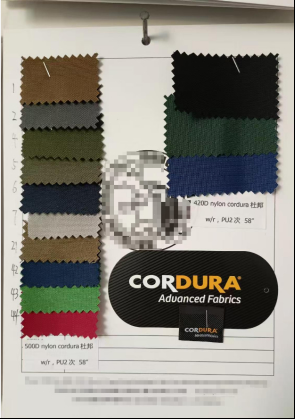
This is usually where a brand's fabric plan meets reality. If you sell in three colourways and order in small runs, genuine CORDURA® is a hard fit — not because anyone is being difficult, but because the minimum sits upstream of the supplier, with the mill.
Cordura-type high-tenacity nylon oxford, woven domestically, is the route most growing brands end up taking: far lower minimums, Pantone colour matching, and short lead times, at the cost of the licence and the traceable-yarn story.
Neither choice is wrong. What hurts is finding out about the minimum after you've promised your buyers three colours for spring.
Related Reading