 EN
EN


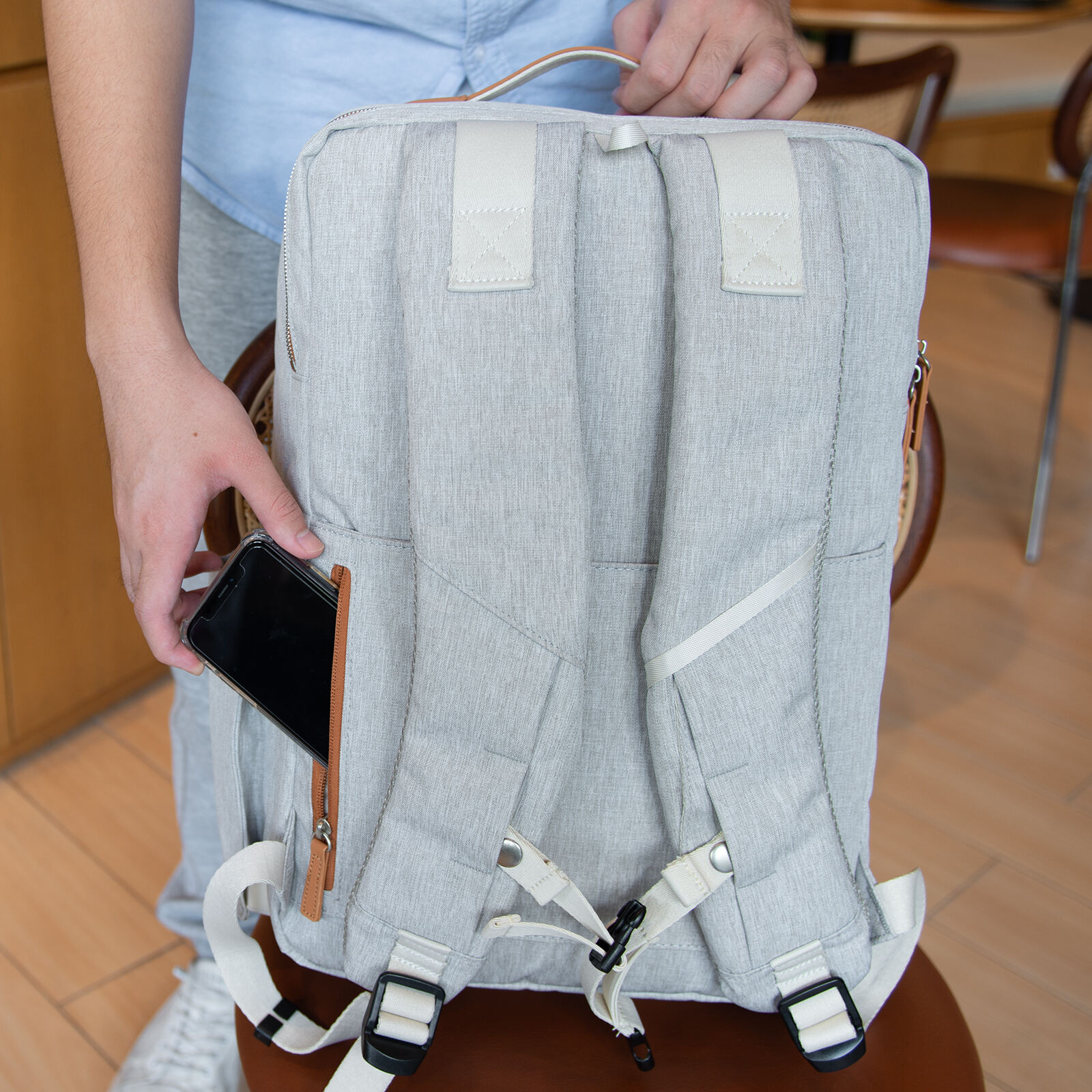
The way people travel has changed dramatically over the past decade, and with that shift has come a growing awareness of personal security on the road. Whether navigating a crowded airport terminal, riding a packed metro in a foreign city, or simply keeping valuables safe during a long-haul journey, travelers today are far more conscious of what they carry and how well it is protected. A well-designed travel backpack is no longer just about comfort and capacity — it has become a frontline defense against theft, data breaches, and physical damage.
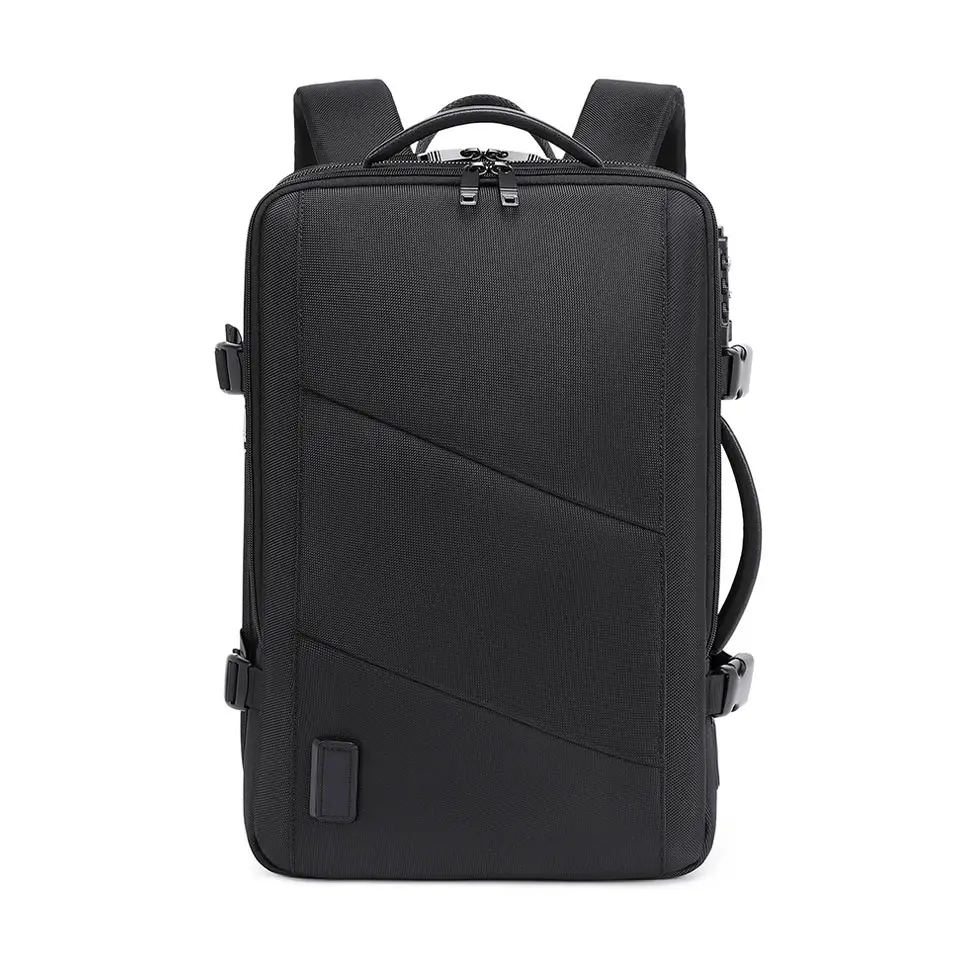
Security features in a travel backpack have evolved from simple zipper locks into sophisticated, multi-layered systems designed to address modern threats. From TSA-approved locking mechanisms and RFID-blocking compartments to anti-slash construction and hidden pockets, today's travel backpack market reflects a significant shift in consumer priorities. Understanding why these features are becoming more essential — rather than merely optional — requires looking at the broader landscape of modern travel, rising theft risks, digital vulnerability, and the evolving expectations of frequent travelers worldwide.
The Rising Security Threats Facing Modern Travelers
Pickpocketing and Opportunistic Theft in High-Traffic Zones
International tourism has rebounded strongly, and with increasing foot traffic in transit hubs, tourist landmarks, and urban centers comes a corresponding rise in opportunistic theft. Pickpockets and bag snatchers are skilled at identifying travelers who are distracted, unfamiliar with their surroundings, or simply carrying gear that offers easy access. A standard travel backpack with flimsy zippers or single-layer fabric is an easy target in these environments.
The issue is particularly acute in busy train stations, bus terminals, and popular markets where crowds create natural cover for theft attempts. Travelers carrying laptops, cameras, passports, and cash in a single travel backpack face significant risk if that bag offers no physical deterrents. This reality has pushed manufacturers and buyers alike to prioritize structural security as a baseline feature rather than a premium add-on.
Security-conscious design in a travel backpack now includes reinforced zippers that resist forced entry, lockable zipper pulls that connect to anchor points, and panel fabrics woven with cut-resistant materials. These physical barriers significantly reduce the success rate of grab-and-run tactics and slash attacks, making the travel backpack a far less attractive target in high-risk environments.
Luggage Tampering at Airports and Transit Points
Airport environments present a distinct category of security risk. Checked luggage is routinely handled by multiple parties, and carry-on bags are temporarily left unattended or placed in overhead bins where access is not always monitored. Travelers have reported items going missing from bags that appeared undisturbed on the outside, pointing to the vulnerability of easily accessible compartments.
TSA-approved locks have become a standard security feature in the modern travel backpack specifically to address this concern. These locks allow airport security personnel to open and inspect a bag without damaging it, while still preventing unauthorized access by others. For business travelers carrying sensitive equipment or personal items of value, this added layer of protection is not a luxury — it is a practical necessity.
Beyond locks, the placement and design of compartments within a travel backpack matter enormously. Rear-access laptop compartments, for example, require the wearer to remove the bag entirely to open them, which acts as a natural deterrent in crowded settings. Thoughtful internal architecture in a travel backpack directly translates to greater security across all transit scenarios.
Digital Security and the Role of RFID-Blocking Technology
The Threat of Electronic Data Theft While Traveling
Physical theft is only part of the modern security equation for a travel backpack. Digital theft has emerged as an equally significant concern, particularly as contactless payment cards and biometric passports have become universal. Criminals equipped with handheld RFID scanners can read data from cards and documents without direct contact, often in crowded spaces where proximity is unavoidable.
A travel backpack equipped with RFID-blocking lining in its document pocket or main compartment creates a Faraday-cage-like barrier that prevents unauthorized electronic scanning. This feature has transitioned from niche to mainstream as travelers increasingly understand the mechanics of digital skimming. Business travelers carrying corporate payment cards, company identification, or sensitive credentials are especially vulnerable and have been among the earliest adopters of RFID-equipped travel backpack designs.
The integration of RFID protection into a travel backpack does not require bulky additions or visible modifications — it is typically embedded within the lining itself, maintaining the bag's aesthetic and functionality while quietly performing a critical security function. This invisible protection represents one of the most meaningful innovations in travel backpack design over the past several years.
USB Charging Ports and Safe Connectivity Concerns
Many modern travel backpack models now include integrated USB charging ports that connect to a power bank stored inside the bag. While this feature is primarily about convenience, it also intersects with security considerations. Using public charging stations exposes travelers to 'juice jacking' — a technique where malicious actors compromise public USB ports to transfer malware or steal data from connected devices.
A travel backpack with its own built-in USB output allows travelers to charge devices using their own trusted power source, bypassing public charging infrastructure entirely. This reduces exposure to a known attack vector while keeping devices powered throughout long travel days. The feature demonstrates how thoughtful travel backpack design can address both convenience and security simultaneously.
For corporate travelers and remote workers who carry sensitive data on their devices, the ability to charge safely from their own travel backpack is a meaningful security consideration. It reflects the broader trend of travel accessories being designed with digital safety in mind, not just physical protection.
Water Resistance and Environmental Protection as a Security Measure
Protecting High-Value Contents from Environmental Damage
Security in a travel backpack is not limited to protection from human threats. Environmental hazards — unexpected rain, spills in transit, humidity in tropical destinations, and condensation — pose a real risk to laptops, documents, and electronics that many travelers carry daily. A travel backpack with water-repellent or water-resistant materials addresses this dimension of protection effectively.
Polyester fabrics treated with durable water repellent (DWR) coatings are a practical choice for a travel backpack that needs to perform across varied climates and conditions. Water-repellent construction prevents moisture from seeping into the bag during light rain or accidental exposure, protecting the contents without requiring the traveler to actively respond to the threat. This passive protection is especially valuable during the unpredictable conditions of international travel.
For professionals carrying laptop computers, hardcopy documents, or sensitive equipment, a water-repellent travel backpack is as much a security investment as a physical lock. The cost of replacing a water-damaged laptop or losing irreplaceable documents far outweighs the marginal cost difference between a standard bag and a properly protected travel backpack.
Structural Durability as Long-Term Security Assurance
A travel backpack that deteriorates quickly — with failed zippers, torn seams, or broken buckles — becomes a security liability over time. Structural integrity is directly tied to security performance; a compromised bag cannot fulfill its protective role regardless of how many features it was initially designed with. Durable construction using high-denier fabrics, reinforced stitching at stress points, and quality hardware is essential for maintaining security over the life of the bag.
Frequent travelers especially need a travel backpack that maintains its security features across hundreds of cycles of packing, transit, and unpacking. A bag that holds up under regular use retains its physical deterrence value, while a deteriorating bag telegraphs vulnerability to potential thieves and provides increasingly poor protection for its contents.
Investing in a travel backpack built from high-quality materials is therefore a long-term security decision, not just a comfort preference. Buyers who evaluate a travel backpack with durability in mind are making a choice that pays dividends in safety and reliability over many trips and years of use.
Evolving Traveler Expectations and the Demand for Integrated Security
The Shift from Single-Feature to Multi-Layer Security Design
Early security features in a travel backpack tended to be single-point additions — a combination lock here, a hidden pocket there. Today's travelers, particularly those who travel frequently for business, expect a travel backpack to offer a comprehensive, multi-layer security ecosystem. The expectation is that security features work together seamlessly rather than functioning as isolated add-ons.
A premium travel backpack now integrates TSA locks, RFID-blocking compartments, anti-theft zipper systems, rear-access laptop panels, water-resistant exteriors, and internal organizational structures that keep valuables concealed and protected simultaneously. This integrated approach means that every interaction with the bag — opening a zipper, accessing a pocket, charging a device — is designed with security in mind from the outset.
This shift in design philosophy reflects a maturing market where travelers have experienced security failures firsthand or have become aware of the risks through wider media coverage and peer experience. The modern travel backpack buyer approaches a purchase with specific security criteria in mind, evaluating features systematically rather than accepting whatever protection a standard bag happens to offer.
Corporate and Business Travel Driving Stricter Security Standards
Corporate travel programs and enterprise risk management policies have had a notable influence on travel backpack design standards. Organizations that deploy large numbers of employees on international travel increasingly specify security requirements for the gear their teams carry. This includes locking capability for laptop compartments, RFID protection for company cards and credentials, and structural quality that resists tampering.
Business travelers represent a high-value target for both physical and digital theft due to the sensitive nature of the devices and documents they typically carry. A travel backpack used in a corporate context must therefore meet a higher security threshold than a leisure travel bag. The overlap between business requirements and individual traveler preferences has driven broader adoption of security features across the travel backpack market as a whole.
As remote work and digital nomadism have grown, the line between 'business travel backpack' and 'everyday carry bag' has blurred considerably. This convergence has made comprehensive security features relevant to a far wider audience, accelerating the mainstream adoption of protective design in the travel backpack category. Today, security is not a niche consideration — it is a standard expectation.
FAQ
What security features should I prioritize when choosing a travel backpack?
The most important security features to look for in a travel backpack include a TSA-approved lock, RFID-blocking compartments for passports and cards, lockable zipper pulls, a rear-access laptop panel, and water-repellent outer fabric. These features together provide both physical and digital protection across the most common travel scenarios. Prioritizing a travel backpack that integrates multiple security layers is more effective than relying on a single feature.
Is a TSA lock necessary on a travel backpack used as a carry-on?
Even if your travel backpack is used strictly as a carry-on and never checked, a TSA lock remains useful. It prevents unauthorized access in overhead bins, during layovers, or when the bag is briefly left unattended. The lock also signals to opportunistic thieves that the bag offers resistance, which often deters attempts entirely. A travel backpack with a TSA lock gives travelers peace of mind across all transit environments, not just at baggage claim.
How does RFID blocking in a travel backpack actually work?
RFID-blocking material in a travel backpack contains a metallic mesh or foil layer embedded within the fabric lining of specific pockets. This layer disrupts radio frequency signals, preventing external scanners from reading the data stored on contactless cards, passports, or identification documents stored in those pockets. The protection is passive and continuous — no activation is required. Any travel backpack that specifies RFID-blocking lining in its product description has this capability built directly into the bag's construction.
Does water resistance in a travel backpack protect electronics fully?
Water repellent or water-resistant treatment on a travel backpack provides meaningful protection against light rain, splashes, and incidental moisture exposure, but it is not the same as waterproofing. For complete protection of electronics during heavy rain or submersion, additional internal sleeves or cases may be advisable. That said, a water-repellent travel backpack significantly reduces the risk of moisture damage in everyday travel conditions, making it a valuable security feature for anyone carrying laptops or other sensitive electronics.