 EN
EN



The way travelers pack has always been a reflection of how they think about their journeys. A well-organized travel backpack can mean the difference between a smooth, stress-free trip and a frustrating scramble through layers of gear at every checkpoint. As travel patterns grow more diverse — blending business, leisure, and adventure into single trips — the demand for smarter, more adaptable carrying solutions has never been stronger. Modular design has emerged as one of the most compelling answers to this challenge, promising a level of packing flexibility that traditional fixed-compartment bags simply cannot match.
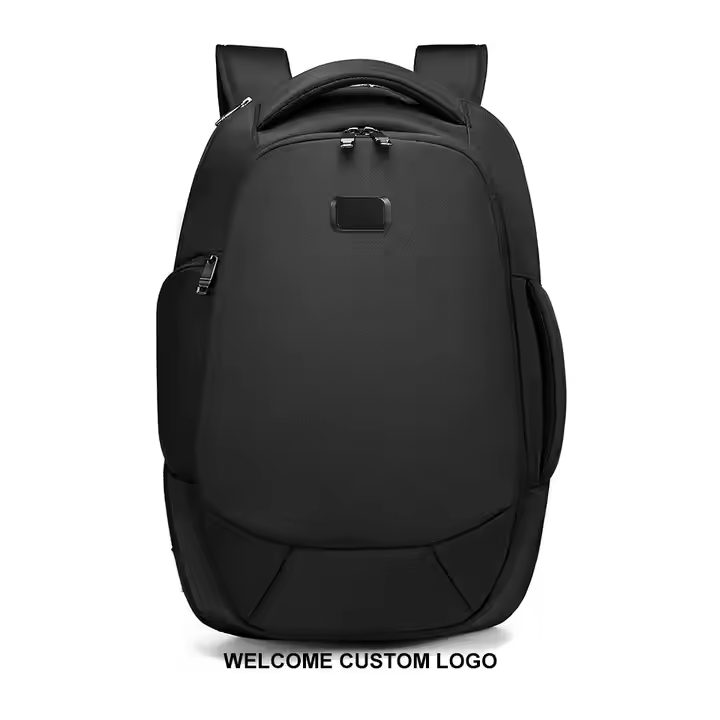
But can modular travel backpack designs genuinely improve packing flexibility, or is the concept more appealing in theory than in practice? The short answer is yes — with important nuances. Modular systems introduce a fundamentally different relationship between the traveler and their gear, allowing the internal and external configuration of a travel backpack to shift based on the specific demands of each trip. Understanding how this works, when it delivers real value, and what to look for in a modular design is essential for anyone considering making the switch.
What Modular Design Actually Means in a Travel Backpack
Beyond Pockets: The Core Concept of Modularity
Modularity in a travel backpack refers to a design philosophy where individual components — pouches, organizers, compression panels, laptop sleeves, and external attachment systems — can be added, removed, repositioned, or swapped out independently. This is fundamentally different from a bag that simply has many pockets. In a modular system, the internal architecture itself is reconfigurable, not just the items placed inside it.
A standard travel backpack typically offers a fixed layout: a main compartment, a front pocket, perhaps a dedicated laptop sleeve, and a few internal organizer loops. That layout works well for a specific type of packer but becomes limiting the moment your trip changes character. A modular travel backpack, by contrast, allows you to restructure the bag's internal logic to match the trip rather than forcing the trip to match the bag.
The mechanisms that enable modularity vary. Some systems use magnetic attachment points, others rely on hook-and-loop panels, zipper-connected pouches, or proprietary rail systems. The quality and reliability of these attachment mechanisms are critical — a modular travel backpack is only as good as the connections that hold its components in place under real travel conditions.
Expandability as a Form of Modular Flexibility
One of the most practical expressions of modular thinking in a travel backpack is expandability. An expandable travel backpack allows the user to increase or decrease the bag's total volume depending on what a given trip requires. A 28-liter travel backpack that can expand to accommodate additional gear for a longer leg of a journey, then compress back down for a day trip, offers a form of flexibility that directly addresses one of the most common packing frustrations.
Expandability works best when it is integrated thoughtfully into the bag's structure rather than added as an afterthought. A well-designed expandable travel backpack maintains its structural integrity and comfort at both its compressed and expanded states, ensuring that the carrying experience does not degrade as volume increases. This is a key quality indicator when evaluating whether a modular travel backpack will genuinely serve its purpose over time.
For business travelers who frequently transition between carry-on-only trips and longer stays, an expandable travel backpack with modular internal organization can eliminate the need to own multiple bags for different trip lengths. That consolidation has real practical and financial value, making the investment in a well-engineered modular travel backpack a sound long-term decision.
How Modular Systems Improve Packing Flexibility in Practice
Adapting to Different Trip Types Without Repacking Everything
One of the clearest benefits of a modular travel backpack is the ability to reconfigure your packing system between trip types without starting from scratch. Consider a traveler who uses the same bag for a three-day business trip and a weekend hiking excursion. In a traditional travel backpack, the internal layout is fixed, meaning the traveler must mentally and physically reorganize the same space for two very different sets of gear.
In a modular travel backpack, the business configuration — laptop sleeve front and center, document organizer accessible, clothing compressed at the back — can be swapped for a hiking configuration where the laptop sleeve is removed, a hydration-compatible panel is inserted, and gear is distributed for weight balance rather than document access. This reconfiguration takes minutes rather than the extended repacking session a fixed-layout bag demands.
This adaptability is not just a convenience feature. For frequent travelers, the ability to quickly reconfigure a travel backpack reduces cognitive load, minimizes packing errors, and ensures that the most-needed items are always in the most accessible positions. Over dozens of trips, that efficiency compounds into a meaningful improvement in the overall travel experience.
Organizational Clarity Through Dedicated Modular Pouches
Modular pouches and organizers that attach to or nest within a travel backpack create a system of organizational clarity that fixed compartments struggle to replicate. When each category of gear — electronics, toiletries, documents, cables — lives in its own dedicated modular unit, the traveler always knows exactly where everything is, regardless of how the main bag is configured.
This clarity becomes especially valuable during security checks, hotel check-ins, and mid-trip gear access. Rather than digging through a single large compartment, the traveler can extract the relevant modular pouch, use what is needed, and return it to its designated position. The travel backpack remains organized throughout the trip rather than gradually descending into the chaotic state that plagues fixed-layout bags after a few days of active use.
The key is that modular pouches must be designed to work with the specific travel backpack they accompany. Generic pouches stuffed into a non-modular bag offer some organizational benefit but lack the structural integration that makes a true modular travel backpack system genuinely superior. Purpose-built modular components that attach securely and sit flush within the bag's architecture deliver a fundamentally better experience.
Material and Construction Considerations for Modular Travel Backpacks
Why Fabric Choice Affects Modular Performance
The material used in a travel backpack directly affects how well a modular system performs over time. Waterproof polyester fabric, for example, offers a combination of durability, weight efficiency, and weather resistance that makes it particularly well-suited to modular travel backpack construction. The fabric needs to support repeated attachment and detachment of modular components without degrading at stress points, and it must maintain its structural integrity across a wide range of environmental conditions.
High-denier polyester fabrics provide the abrasion resistance needed for a travel backpack that will be loaded, unloaded, and reconfigured frequently. Lower-quality materials may hold up under light use but begin to show wear at attachment points, zipper interfaces, and panel seams after sustained modular use. When evaluating a modular travel backpack, the fabric specification is not a secondary consideration — it is foundational to whether the modular system will remain functional and reliable over the bag's lifespan.
Waterproofing is particularly relevant for a travel backpack used across diverse environments. A modular system with multiple attachment points and panel interfaces creates more potential entry points for moisture than a simple fixed-compartment bag. A travel backpack constructed from waterproof polyester fabric addresses this vulnerability directly, ensuring that the modular architecture does not compromise the bag's ability to protect its contents in wet conditions.
Laptop Protection Within a Modular Framework
For business travelers, the laptop compartment is often the most critical element of a travel backpack's design. In a modular system, the laptop sleeve must be both securely integrated and independently accessible — a balance that requires careful engineering. A travel backpack designed to fit a 16-inch laptop needs a dedicated, padded compartment that does not shift or compress when other modular components are added or removed from adjacent sections.
The best modular travel backpack designs treat the laptop compartment as a fixed anchor point within an otherwise reconfigurable system. This approach ensures that the most valuable and fragile item in the bag always has consistent, reliable protection regardless of how the surrounding modular components are configured. It also simplifies security screening, since the laptop can be accessed quickly without disturbing the rest of the bag's organization.
A travel backpack that combines a secure 16-inch laptop compartment with an expandable main body and modular organizational components represents the practical ideal for business travelers who need both protection and flexibility. This combination addresses the full range of packing challenges that modern business travel presents, from airport security to client meetings to extended stays.
When Modular Design Delivers the Most Value
Trip Profiles That Benefit Most From Modular Flexibility
Not every traveler will extract equal value from a modular travel backpack. The design delivers the most significant benefits for travelers whose trips vary substantially in length, purpose, or gear requirements. A traveler who takes the same type of trip repeatedly with the same gear list may find that a well-organized fixed-layout travel backpack serves them just as well. But for travelers whose itineraries shift between business and leisure, short and extended, urban and outdoor, the modular travel backpack offers a level of adaptability that fixed designs cannot match.
Multi-destination trips are a particularly strong use case. When a single journey involves a business meeting in one city, a weekend of sightseeing in another, and a day hike in a third, the ability to reconfigure a travel backpack between legs of the trip without repacking entirely is a genuine operational advantage. The modular system allows the traveler to adapt their gear organization to each context without carrying multiple bags or compromising on organization at any stage.
Frequent flyers who regularly navigate carry-on restrictions also benefit significantly from a modular travel backpack with expandable volume. The ability to compress the bag to strict carry-on dimensions for one flight and expand it for a checked-bag leg of the journey, all within the same travel backpack, eliminates the need to manage multiple bag sizes across a complex itinerary.
The Role of Modular Design in Long-Term Packing Habits
Beyond individual trips, a modular travel backpack can reshape how a traveler thinks about packing as a practice. When the bag's architecture is reconfigurable, packing becomes a more intentional, systematic activity. Travelers who use modular systems tend to develop clearer mental models of what they need for different trip types, because the modular components themselves serve as physical prompts for different packing categories.
This shift in packing behavior has downstream benefits. Travelers who pack more intentionally tend to overpack less, move more efficiently through airports and transit systems, and experience less stress around gear management during their trips. The travel backpack becomes not just a carrying tool but a system that actively supports better travel habits.
For organizations that provide travel backpacks to employees — sales teams, field consultants, technical specialists — the modular travel backpack offers an additional benefit: standardization with flexibility. A single travel backpack model can serve employees with very different travel profiles when its modular components can be configured to match individual needs. That standardization simplifies procurement while the flexibility ensures that each user gets a genuinely useful tool rather than a compromise solution.
FAQ
Does a modular travel backpack weigh more than a standard travel backpack?
Modular travel backpacks can be slightly heavier than minimalist fixed-layout bags due to the additional attachment hardware and structural elements required to support modular components. However, the weight difference is typically modest, and many modular travel backpack designs use lightweight materials like high-denier polyester to offset the added hardware weight. The practical benefit of the modular system generally outweighs the marginal weight increase for most travelers.
Can a modular travel backpack fit in an overhead bin as a carry-on?
Yes, most modular travel backpacks in the 28-liter range are designed to meet standard carry-on size requirements when in their compressed configuration. The expandable feature is intended for use when checked baggage is an option or when the traveler needs additional volume for a specific leg of a journey. Always verify the compressed dimensions of a specific travel backpack against the carry-on policies of the airlines you use most frequently.
How durable are the modular attachment points on a travel backpack over time?
Durability depends heavily on the quality of the attachment mechanism and the fabric used at connection points. A travel backpack constructed from waterproof polyester with reinforced attachment zones will maintain its modular functionality through years of regular use. Lower-quality modular systems may show wear at attachment points after sustained use. When evaluating a modular travel backpack, examine the construction quality at every connection point, not just the main compartment fabric.
Is a modular travel backpack suitable for both men and women?
Modular travel backpack designs are generally gender-neutral in their organizational logic, though fit and harness ergonomics vary by model. The packing flexibility offered by a modular travel backpack is equally relevant for all travelers regardless of gender. When selecting a travel backpack, prioritize fit and harness comfort alongside modular features, as a bag that does not sit correctly on the body will be uncomfortable regardless of how well-organized its interior is.