 EN
EN


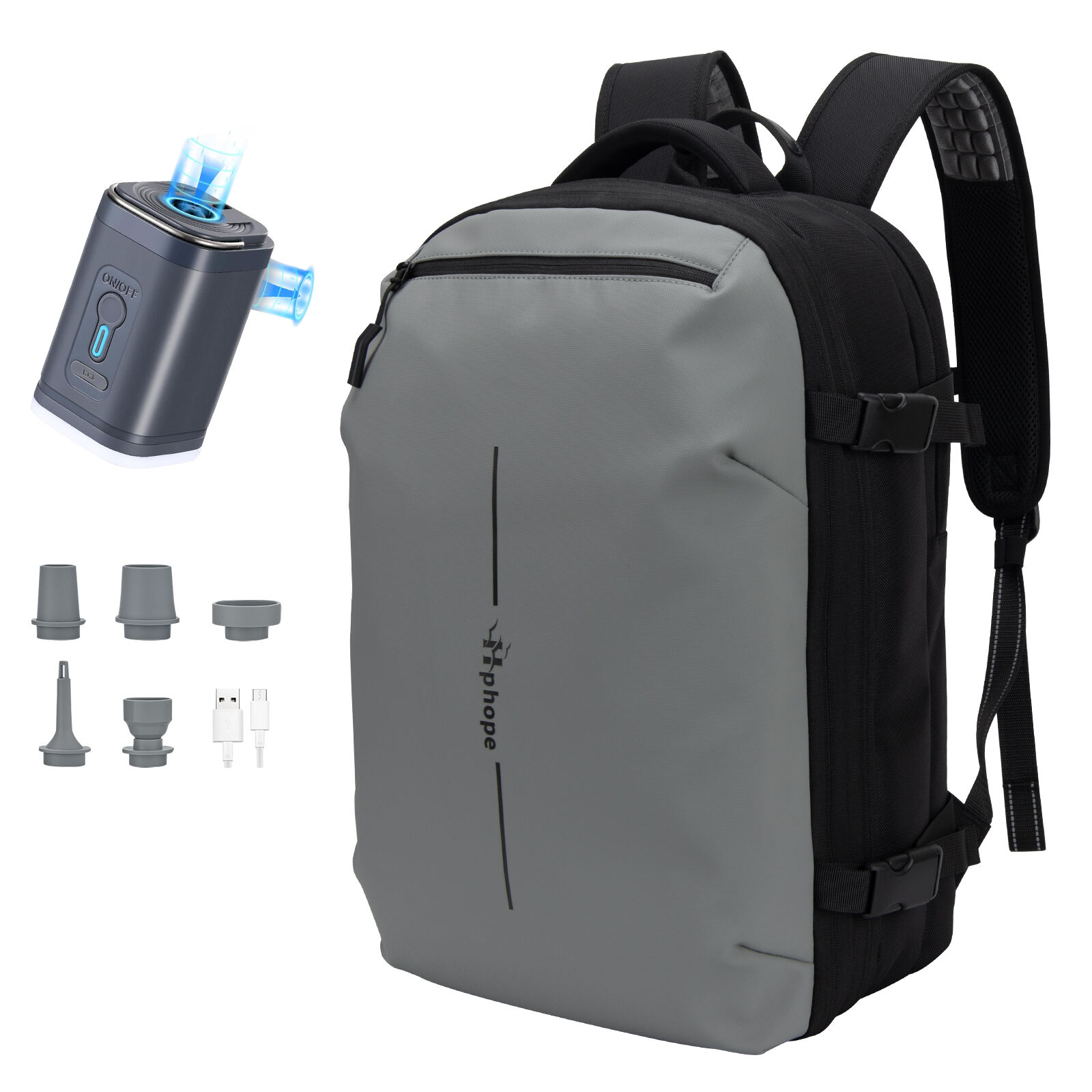
Solo travel has become increasingly popular among adventurers seeking personal growth and unique experiences. However, choosing the right solo travel backpack is crucial for ensuring both safety and convenience during your journey. A well-selected backpack serves as your mobile base, carrying everything you need while keeping your belongings secure and organized. The safety aspect becomes even more critical when traveling alone, as you rely entirely on your gear to support your adventures without the backup of travel companions.
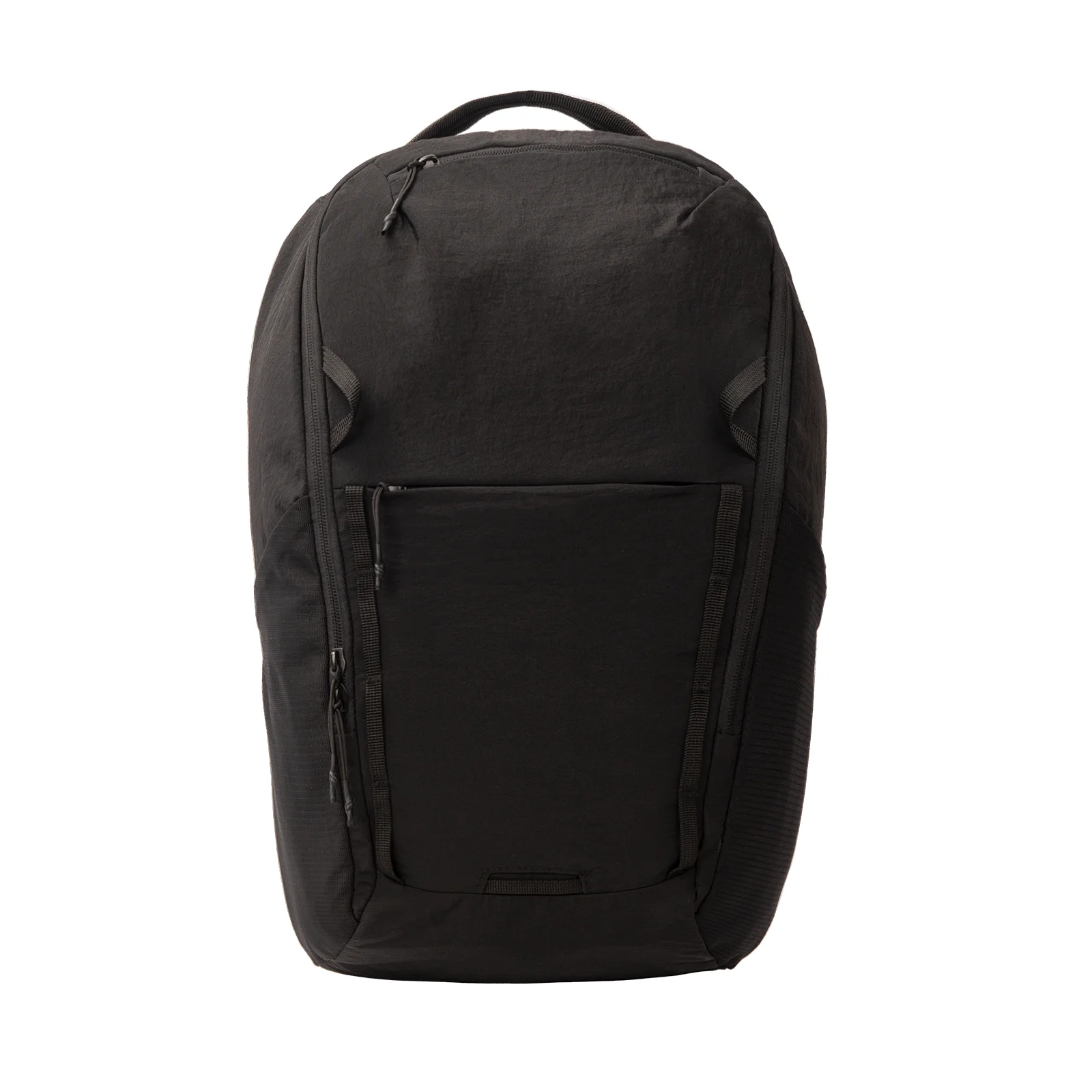
When embarking on solo adventures, your backpack becomes your most trusted companion. The right solo travel backpack not only carries your essentials but also provides peace of mind through security features and reliable construction. Modern backpacks designed for solo travelers incorporate advanced safety mechanisms, durable materials, and ergonomic designs that reduce physical strain during extended periods of wear. Understanding these features and how they contribute to your overall travel safety will help you make an informed decision.
Essential Safety Features for Solo Travel Backpacks
Anti-Theft Security Systems
Modern solo travel backpacks incorporate sophisticated anti-theft features that protect your valuables from pickpockets and opportunistic thieves. Hidden zippers, RFID blocking compartments, and lockable main compartments are standard features in quality travel backpacks. These security systems work together to create multiple layers of protection for your important documents, electronics, and cash. When traveling alone, you cannot rely on others to watch your belongings, making these security features absolutely essential.
The placement of zippers and compartments plays a crucial role in backpack security. Quality solo travel backpacks position main zippers against your back when worn, making them inaccessible to potential thieves while you navigate crowded areas. Some models feature hidden pockets integrated into the back panel, providing secure storage for passports, credit cards, and emergency cash. Additionally, reinforced strap attachment points prevent cut-and-run thefts, ensuring your backpack remains securely attached to your body.
Visibility and Reflective Elements
Safety during solo travel extends beyond theft prevention to include visibility in various lighting conditions. High-quality solo travel backpacks often incorporate reflective strips, bright color accents, or LED attachment points to enhance your visibility during early morning or evening activities. These features become particularly important when hiking, walking through urban areas at night, or navigating transportation hubs where being seen clearly can prevent accidents and improve personal safety.
Strategic placement of reflective elements ensures maximum visibility from multiple angles while maintaining the backpack's aesthetic appeal. Many manufacturers integrate reflective materials into the shoulder straps, side panels, and front logo areas. Some advanced models include removable safety lights or attachment points for external lighting systems, allowing solo travelers to customize their visibility based on specific travel conditions and environments.
Size and Capacity Considerations for Solo Adventures
Optimal Volume for Extended Travel
Selecting the appropriate size for your solo travel backpack requires careful consideration of trip duration, climate, and personal packing preferences. Most experienced solo travelers find that backpacks ranging from 40 to 65 liters provide optimal capacity for extended journeys while remaining manageable for single-person handling. Larger backpacks may seem appealing for their storage capacity, but they can become unwieldy and increase physical strain, particularly important considerations when you do not have travel companions to assist with heavy lifting.
The relationship between backpack size and airline carry-on restrictions significantly impacts travel flexibility for solo adventurers. A solo travel backpack that meets international carry-on dimensions allows for greater travel spontaneity and reduces the risk of lost luggage. Many airlines accept backpacks up to 45 liters as carry-on luggage, provided they meet dimensional requirements. This size typically accommodates one to two weeks of clothing and essential gear while remaining within weight limits.
Multi-Compartment Organization Systems
Effective organization becomes critical when traveling solo, as you need quick access to specific items without unpacking your entire backpack. Modern solo travel backpacks feature multiple compartments designed for different types of gear, including separate sections for clean and dirty clothing, electronics, toiletries, and travel documents. This organizational system not only improves efficiency but also enhances security by allowing you to separate valuable items from everyday essentials.
The design of internal compartments should facilitate easy packing and unpacking while maintaining load distribution. Quality solo travel backpacks include compression straps, internal organizer pockets, and expandable sections that adapt to varying gear loads. Some models feature removable daypack components, allowing solo travelers to secure their main luggage while exploring with essential items in a smaller, more maneuverable pack. This modular approach provides flexibility for different activities while maintaining the security of your primary gear storage.
Durability and Weather Protection
Material Selection and Construction Quality
The durability of your solo travel backpack directly impacts your safety and travel success, as equipment failure in remote locations can create serious challenges. High-quality backpacks utilize ripstop nylon, Cordura fabric, or similar durable materials that resist tears, abrasions, and UV damage. The denier rating of fabric indicates its thickness and durability, with higher numbers generally indicating stronger material. Solo travelers should prioritize backpacks made from 500D or higher fabric for optimal longevity and reliability.
Construction quality extends beyond fabric selection to include reinforcement at stress points, quality zippers, and professional stitching techniques. Critical areas such as shoulder strap attachments, bottom panels, and zipper stress points require additional reinforcement to withstand the rigors of solo travel. YKK zippers, bar-tacked reinforcement, and double-stitched seams are indicators of superior construction that translate to improved reliability during extended use. When traveling alone, equipment reliability becomes paramount, as you cannot depend on others for backup gear or assistance.
Waterproofing and Weather Resistance
Weather protection capabilities are essential safety features for any solo travel backpack, as exposure to moisture can damage electronics, important documents, and clothing. Quality backpacks incorporate water-resistant coatings, sealed seams, and integrated rain covers to protect contents from precipitation and moisture. The level of waterproofing varies significantly between models, with some offering basic water resistance while others provide complete submersion protection for extreme conditions.
Understanding the difference between water-resistant and waterproof construction helps solo travelers select appropriate protection levels for their intended activities. Water-resistant treatments repel light precipitation and splashing but may not withstand prolonged exposure to heavy rain. Fully waterproof construction, often measured by hydrostatic head ratings, provides protection against sustained moisture exposure but may sacrifice breathability. Many solo travel backpacks include removable rain covers as an additional protection layer, allowing users to adapt to changing weather conditions quickly.
Comfort and Ergonomic Design
Suspension Systems and Load Distribution
Proper load distribution becomes critically important for solo travelers who must carry their entire gear load without assistance. Advanced suspension systems in quality solo travel backpacks transfer weight from the shoulders to the stronger hip muscles, reducing fatigue and preventing injury during extended carrying periods. The hip belt should bear approximately 80% of the pack weight, while the shoulder straps provide stability and balance rather than primary weight support.
Modern solo travel backpacks incorporate adjustable torso lengths, allowing users to customize the fit for their specific body dimensions. This adjustability ensures proper load transfer and prevents pressure points that could cause discomfort or injury. The sternum strap and load lifter straps work together to maintain proper pack positioning and reduce shoulder strain. When traveling solo, physical comfort directly impacts safety, as fatigue and discomfort can lead to poor decision-making and increased accident risk.
Ventilation and Temperature Management
Back panel ventilation systems help regulate temperature and moisture buildup during physical activity, contributing to overall comfort and safety. Many solo travel backpacks feature mesh back panels, ventilation channels, or suspended mesh systems that promote airflow between the pack and your back. This temperature management becomes particularly important in warm climates or during strenuous activities where overheating could lead to heat exhaustion or other health issues.
The design of ventilation systems must balance airflow with structural integrity and load transfer efficiency. Advanced suspension systems create air gaps while maintaining proper weight distribution and pack stability. Some models incorporate moisture-wicking materials in contact areas to further enhance comfort during extended wear. Solo travelers should prioritize ventilation features when planning activities in warm climates or expecting high exertion levels during their adventures.
Security Features and Access Control
Locking Mechanisms and Zipper Security
Comprehensive security features distinguish quality solo travel backpacks from basic models, providing multiple layers of protection for valuable items. Lockable zippers, security cables, and tamper-evident seals help deter theft and provide peace of mind when leaving your pack unattended. Many modern solo travel backpacks incorporate TSA-approved locking systems that allow security screening while maintaining protection during transport and storage.
The positioning and design of zippers significantly impact security effectiveness and user convenience. Quality backpacks position main compartment zippers in difficult-to-reach locations when worn, typically along the back panel or inner sides. Some models feature dual zipper pulls that can be locked together, creating a secure closure that requires deliberate action to open. Additional security features may include RFID-blocking pockets for electronic passport protection and hidden pockets for emergency cash and backup documents.
Emergency Access and Quick Release Systems
Solo travel situations may require rapid access to emergency supplies or quick pack removal in dangerous situations. Quality solo travel backpacks incorporate emergency access features such as quick-release buckles, emergency whistle attachments, and easily accessible first aid compartments. These features can prove crucial in emergency situations where seconds matter and you cannot rely on others for assistance.
The design of quick-release systems must balance security with emergency accessibility, ensuring that authorized users can rapidly access or remove the pack while preventing accidental deployment. Some advanced models include emergency identification panels where solo travelers can store emergency contact information, medical alerts, and other critical data visible to first responders. These features demonstrate the comprehensive safety approach that distinguishes professional-grade solo travel backpacks from basic recreational models.
Technology Integration and Modern Features
Electronic Device Protection and Charging
Modern solo travel requires integration with electronic devices for navigation, communication, and documentation. Quality solo travel backpacks include dedicated compartments for laptops, tablets, cameras, and other electronic equipment, featuring padded protection and easy access designs. These compartments often include organization systems for cables, chargers, and accessories, keeping technology organized and protected during transport.
Power management features in advanced solo travel backpacks may include USB charging ports, solar panel attachments, or battery pack compartments that keep devices powered during extended adventures. These features become particularly important for solo travelers who rely on electronic devices for safety communication, navigation, and emergency services. The integration of charging systems must maintain water resistance while providing convenient access to power connections.
GPS and Tracking Capabilities
Some premium solo travel backpacks incorporate GPS tracking capabilities or tracking device integration points, allowing friends, family, or emergency services to locate the traveler if needed. These safety features provide additional peace of mind for both solo travelers and their support networks, particularly important when traveling in remote areas or unfamiliar destinations. The integration of tracking technology represents the evolution of travel safety equipment for modern adventurers.
Smart backpack features may extend to integrated communication systems, emergency beacon attachment points, or smartphone app integration that monitors pack security and location. While these advanced features increase cost and complexity, they provide valuable safety benefits for solo travelers venturing into challenging or remote environments. The decision to invest in smart backpack technology should align with your specific travel plans and risk assessment requirements.
FAQ
What size solo travel backpack is best for international flights?
For international flights, a solo travel backpack between 40-45 liters typically meets most airline carry-on size restrictions while providing sufficient capacity for extended travel. This size allows you to avoid checked baggage fees, reduce lost luggage risk, and maintain greater travel flexibility. However, always verify specific airline requirements as dimensions and weight limits vary between carriers and routes.
How do I ensure my solo travel backpack fits properly?
Proper fit requires measuring your torso length from the C7 vertebra to the iliac crest and selecting a backpack with appropriate sizing. The hip belt should sit comfortably on your hip bones, the shoulder straps should not gap away from your shoulders, and the sternum strap should cross your chest without restricting breathing. Many outdoor retailers offer professional fitting services to ensure optimal comfort and load distribution.
What security features are most important for solo travel?
Essential security features include lockable zippers, RFID-blocking compartments, hidden pockets accessible only when removed, and zippers positioned against your back when worn. Additional valuable features include cut-resistant straps, tamper-evident seals, and multiple locking points. The combination of these features creates layered security that deters opportunistic theft while protecting your most valuable items.
How much should I expect to spend on a quality solo travel backpack?
Quality solo travel backpacks with comprehensive safety and security features typically range from $150 to $400, depending on brand, materials, and feature complexity. While higher prices often correlate with better materials and construction, focus on features that match your specific travel needs rather than simply choosing the most expensive option. Consider the backpack an investment in travel safety and comfort that will serve you through multiple adventures.