 EN
EN


Modern students face unique challenges when selecting the perfect bag for their academic and travel needs. A student travel backpack must serve multiple purposes, combining the durability needed for daily campus use with the versatility required for weekend trips and study abroad adventures. The right backpack becomes an essential companion that protects valuable electronics while organizing textbooks, notebooks, and personal items efficiently. Students increasingly demand bags that offer both functionality and style, creating a growing market for specialized designs that cater to their dynamic lifestyles.
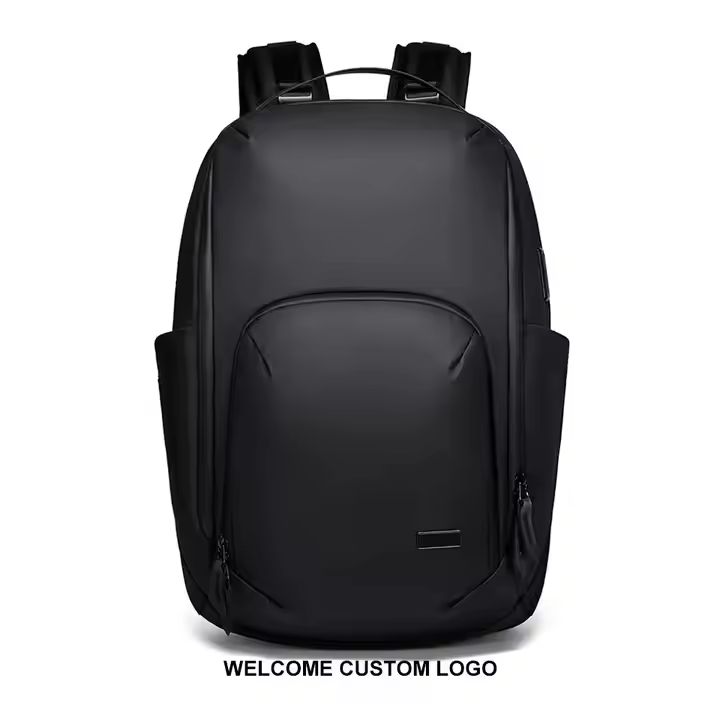
The contemporary educational environment requires students to carry sophisticated electronic devices alongside traditional learning materials. Laptops have become mandatory tools for research, assignments, and digital collaboration, while tablets and smartphones serve as supplementary learning devices. A quality student travel backpack must accommodate these technological necessities while providing adequate space for physical textbooks, which remain prevalent in many academic programs. The challenge lies in finding a bag that offers sufficient protection for delicate electronics without compromising storage capacity for books and supplies.
Security concerns extend beyond simple theft prevention to include protection from environmental hazards such as rain, snow, and accidental impacts. Students often traverse various weather conditions and navigate crowded campus environments where bags face constant jostling and potential damage. The ideal student travel backpack incorporates weather-resistant materials and reinforced construction to safeguard contents under diverse circumstances. Additionally, organizational features become crucial for maintaining easy access to frequently used items while keeping valuable electronics secure in dedicated compartments.
Essential Features for Laptop and Book Protection
Padded Compartment Design
The foundation of any reliable student travel backpack lies in its dedicated laptop compartment design. Premium models feature thick foam padding that absorbs shock from drops and impacts, creating a protective cocoon around expensive electronics. This padding typically extends beyond the laptop sleeve to include reinforced back panels that distribute weight evenly across the wearer's spine. The compartment should accommodate various laptop sizes, with many modern designs supporting devices up to 16 inches while maintaining a snug fit that prevents shifting during movement.
Specialized padding materials vary in effectiveness, with memory foam offering superior impact absorption compared to standard polyurethane alternatives. High-end student travel backpack models incorporate multi-layer protection systems that combine rigid support plates with cushioning materials. This combination prevents laptop screens from pressure damage when books and other items press against the bag's exterior. The compartment's interior often features soft lining materials such as fleece or microfiber that prevent scratches on device surfaces while providing additional cushioning.
Secure Closure Systems
Reliable closure mechanisms ensure that valuable contents remain secure during transport and daily use. Quality zippers represent the primary defense against accidental opening and potential theft, with YKK and similar premium brands offering superior durability and smooth operation. Many student travel backpack designs incorporate lockable zippers that provide additional security in crowded environments or when bags must be left unattended in libraries or study areas. These locking mechanisms often feature TSA-approved designs that allow security personnel to inspect contents without damaging the closure system.
Beyond traditional zippers, some models employ magnetic closures or buckle systems that offer quick access while maintaining security. However, these alternative closure methods must be carefully evaluated for their ability to withstand the rigorous demands of student life. The laptop compartment typically features separate closure mechanisms that operate independently from the main bag access points, allowing students to retrieve laptops without exposing other contents to potential theft or environmental exposure.
Storage Capacity and Organization Solutions
Book Storage Optimization
Effective book storage requires careful consideration of weight distribution and accessibility patterns throughout a typical academic day. The main compartment of a quality student travel backpack should offer sufficient volume to accommodate multiple textbooks while maintaining structural integrity. Typical designs feature reinforced bottoms that prevent sagging when fully loaded, ensuring that the bag maintains its shape and continues to protect electronic components effectively.
Internal organization systems help students maintain order while maximizing storage efficiency. Adjustable dividers allow customization based on specific course requirements, while designated pockets keep smaller items such as calculators, pens, and notebooks easily accessible. The strategic placement of these organizational elements prevents books from shifting during movement, which could potentially damage laptops or other sensitive equipment stored in separate compartments.
Multi-Purpose Compartments
Modern students require storage solutions that extend beyond basic academic materials to include personal items, technology accessories, and travel necessities. A comprehensive student travel backpack incorporates multiple specialized compartments that serve distinct purposes while maintaining overall organization. External pockets provide quick access to frequently used items such as phones, keys, and transportation cards, while internal mesh pockets secure chargers, cables, and other small electronics accessories.
Side pockets typically accommodate water bottles and umbrellas, essential items for students who spend long hours on campus or traveling between locations. These compartments often feature elastic closures or drawstring systems that adapt to various item sizes while preventing contents from falling out during movement. Some advanced designs incorporate hidden pockets specifically designed for valuable items such as passports, cash, or backup storage devices, providing additional security for students who frequently travel or study abroad.
Durability and Material Considerations
Weather Resistance Technology
Environmental protection ranks among the most critical features for any student travel backpack, as academic schedules rarely accommodate weather delays. Water-resistant coatings and treatments protect contents from rain and snow, while specialized fabric constructions prevent moisture penetration through seams and stress points. Premium materials such as ripstop nylon and ballistic polyester offer superior tear resistance compared to standard fabrics, ensuring longevity under demanding use conditions.
Advanced weather protection systems often incorporate welded seams and waterproof zippers that create barrier systems against moisture intrusion. These features prove particularly valuable for students in regions with unpredictable weather patterns or those who frequently engage in outdoor activities. The balance between weather resistance and breathability requires careful material selection, as completely waterproof designs may trap moisture from internal sources, potentially damaging electronics through condensation buildup.
Reinforcement and Stress Point Management
Heavy daily loads place significant stress on specific backpack areas, requiring targeted reinforcement strategies to ensure long-term reliability. High-wear zones such as shoulder strap attachment points, zipper stress areas, and bottom corners typically receive additional layering or specialized materials that resist tearing and stretching. Quality student travel backpack designs distribute weight across multiple reinforcement points rather than concentrating stress on single elements.
Stitching quality directly impacts durability, with double or triple-stitched seams providing superior strength compared to standard construction methods. Bartacking reinforcement at critical stress points creates additional security against catastrophic failure under heavy loads. The choice of thread materials also influences longevity, with synthetic options typically outperforming natural fibers in terms of UV resistance and moisture tolerance.
Comfort and Ergonomic Design Elements
Weight Distribution Systems
Proper weight distribution prevents fatigue and injury during extended carrying periods, making ergonomic design essential for any student travel backpack. Padded shoulder straps with contoured shapes conform to natural shoulder curves while distributing load pressure across broader surface areas. Adjustable chest and waist straps create additional stability points that transfer weight from shoulders to core muscle groups, reducing strain during long walks between classes or while traveling.
Back panel design significantly influences comfort levels, with ventilated padding systems preventing excessive heat buildup during warm weather or strenuous activity. Airflow channels and moisture-wicking materials help maintain comfortable temperatures while providing necessary cushioning against laptop corners and book edges. The curvature of the back panel should complement natural spinal alignment, promoting healthy posture even when carrying heavy loads for extended periods.
Adjustability and Fit Optimization
Individual body proportions vary significantly among students, necessitating comprehensive adjustment systems that accommodate different torso lengths and carrying preferences. Sliding shoulder strap attachment points allow users to customize fit based on their specific measurements, while multiple adjustment zones provide fine-tuning capabilities for optimal comfort. A well-designed student travel backpack should feel balanced and secure across a range of body types without requiring excessive tightening that could restrict circulation or breathing.
Load stabilization features such as compression straps help maintain bag shape and prevent contents from shifting during movement. These systems prove particularly valuable when bags are not fully loaded, preventing laptops and books from bouncing against the wearer's back. External compression capabilities also allow students to temporarily reduce bag profile when navigating crowded areas or storing bags in tight spaces such as airplane overhead compartments.
Security Features and Anti-Theft Protection
Locking Mechanisms and Access Control
Campus environments and travel situations expose students to various security risks, making theft protection an essential consideration for any student travel backpack. Lockable main compartments deter opportunistic thieves while providing peace of mind during library study sessions or when bags must be temporarily left unattended. Cable-compatible lock points allow students to secure their bags to fixed objects such as desks or bike racks, preventing complete bag theft in public areas.
RFID-blocking pockets protect credit cards and electronic identification documents from unauthorized scanning, an increasingly important feature as contactless payment and access systems become more prevalent on college campuses. Hidden compartments provide secure storage for cash, backup storage devices, and important documents without advertising their presence to potential thieves. These concealed spaces should be easily accessible to legitimate users while remaining invisible to casual observation.
Design Elements That Deter Theft
Subtle security features often prove more effective than obvious protective measures, as they avoid drawing attention to valuable contents while maintaining deterrent effects. Zippers that open toward the wearer's back make unauthorized access more difficult in crowded areas such as public transportation or busy walkways. Some student travel backpack designs incorporate cut-resistant panels or cables that prevent thieves from slashing bags to access contents quickly.
Strategic pocket placement keeps valuable items close to the wearer's body while maintaining easy access for legitimate use. Internal organization systems should minimize the visibility of expensive electronics when bags are opened in public spaces. Neutral color schemes and understated branding help bags blend into academic environments without advertising their potentially valuable contents to observers.
Technology Integration and Modern Features
USB Charging Capabilities
Modern students rely heavily on electronic devices that require frequent charging throughout the day, making integrated power solutions increasingly valuable in student travel backpack designs. Built-in USB ports connected to internal cable management systems allow users to charge phones and tablets without exposing power banks to potential theft or damage. These systems typically feature pass-through designs that connect external power banks to accessible charging ports while keeping the power source secure within the bag's interior.
Cable management systems organize charging cables and prevent tangling while maintaining easy access when needed. Dedicated power bank pockets often include securing straps that prevent movement during transport while allowing easy removal for recharging. Some advanced designs incorporate wireless charging pads for compatible devices, though these features require careful integration to avoid adding excessive weight or complexity to the overall design.
Smart Organization Systems
Digital integration extends beyond simple charging solutions to include organizational features that support modern learning methods. Dedicated tablet sleeves with adjustable sizing accommodate various device dimensions while providing protection comparable to laptop compartments. Stylus holders and small electronics pockets keep digital accessories organized and accessible during classes or study sessions.
Some student travel backpack models incorporate modular organization systems that allow users to customize internal layouts based on specific needs or course requirements. Removable dividers and pouches provide flexibility while maintaining organization, particularly valuable for students whose daily carry requirements change throughout the semester. These systems should maintain security for valuable items while allowing easy reconfiguration as needs evolve.
Choosing the Right Size and Capacity
Volume Considerations for Different Needs
Selecting appropriate bag capacity requires careful analysis of typical daily requirements balanced against comfort and portability concerns. A standard student travel backpack should accommodate laptops up to 16 inches along with 3-4 textbooks, notebooks, and essential supplies without exceeding comfortable carrying weight limits. Capacity measurements typically range from 20-40 liters, with larger sizes offering more storage at the expense of increased weight and bulk.
Students who frequently travel or participate in extended study sessions away from home may require larger capacities to accommodate additional clothing and personal items. However, oversized bags often encourage overpacking, leading to excessive weight that can cause discomfort or injury during extended carrying periods. The optimal balance depends on individual usage patterns and physical capabilities, with most students finding 25-30 liter capacities sufficient for daily academic needs.
Expandability and Adaptive Features
Seasonal variations in course requirements and occasional travel needs make expandable designs particularly valuable for student users. Some student travel backpack models incorporate zip-out expansion panels that increase capacity when needed while maintaining a compact profile during normal use. These features prove especially useful during exam periods when students may need to carry additional materials or when packing for weekend trips or study abroad programs.
Compression systems allow users to reduce bag profile when carrying lighter loads, improving balance and reducing fatigue during extended wear. External attachment points accommodate additional gear such as jackets, sleeping bags, or sporting equipment without compromising internal organization. However, these features should not interfere with security or weather protection capabilities when not in use.
FAQ
How much laptop protection do student travel backpacks actually provide
Quality student travel backpack designs offer substantial protection through multi-layer padding systems and dedicated compartments that isolate laptops from other contents. The level of protection depends on padding thickness, material quality, and overall construction methods. Premium models with memory foam padding and rigid back panels can protect laptops from drops of 3-4 feet and significant pressure from heavy books. However, protection levels vary significantly between budget and premium options, making careful evaluation essential when selecting a bag for expensive electronics.
What capacity should I choose for daily campus use versus travel
For daily campus use, 20-25 liter capacity typically provides sufficient space for laptops, textbooks, and essential supplies without causing excessive weight burden. Students who frequently travel or need to carry additional items such as gym clothes or project materials should consider 30-35 liter options that offer expandability features. Larger capacities exceeding 40 liters are generally unnecessary for most students and may encourage overpacking that leads to discomfort during extended carrying periods.
Are water-resistant features really necessary for student backpacks
Water resistance provides crucial protection for expensive electronics and important documents, making it an essential feature rather than a luxury addition. Even brief exposure to rain or accidental spills can cause catastrophic damage to laptops and tablets that far exceeds the cost difference between standard and water-resistant bags. Quality water resistance should include treated fabrics, sealed seams, and water-resistant zippers that create comprehensive protection against moisture intrusion from multiple sources.
How do I ensure my chosen backpack will last through multiple academic years
Durability depends on material quality, construction methods, and reinforcement at high-stress points such as zipper areas and strap attachment points. Look for bags made from ripstop nylon or ballistic polyester with double or triple-stitched seams and bartacked reinforcement points. Quality zippers from reputable manufacturers like YKK typically outlast cheaper alternatives by significant margins. Additionally, proper care including regular cleaning and avoiding overloading beyond recommended capacity helps maximize lifespan regardless of initial build quality.