 EN
EN


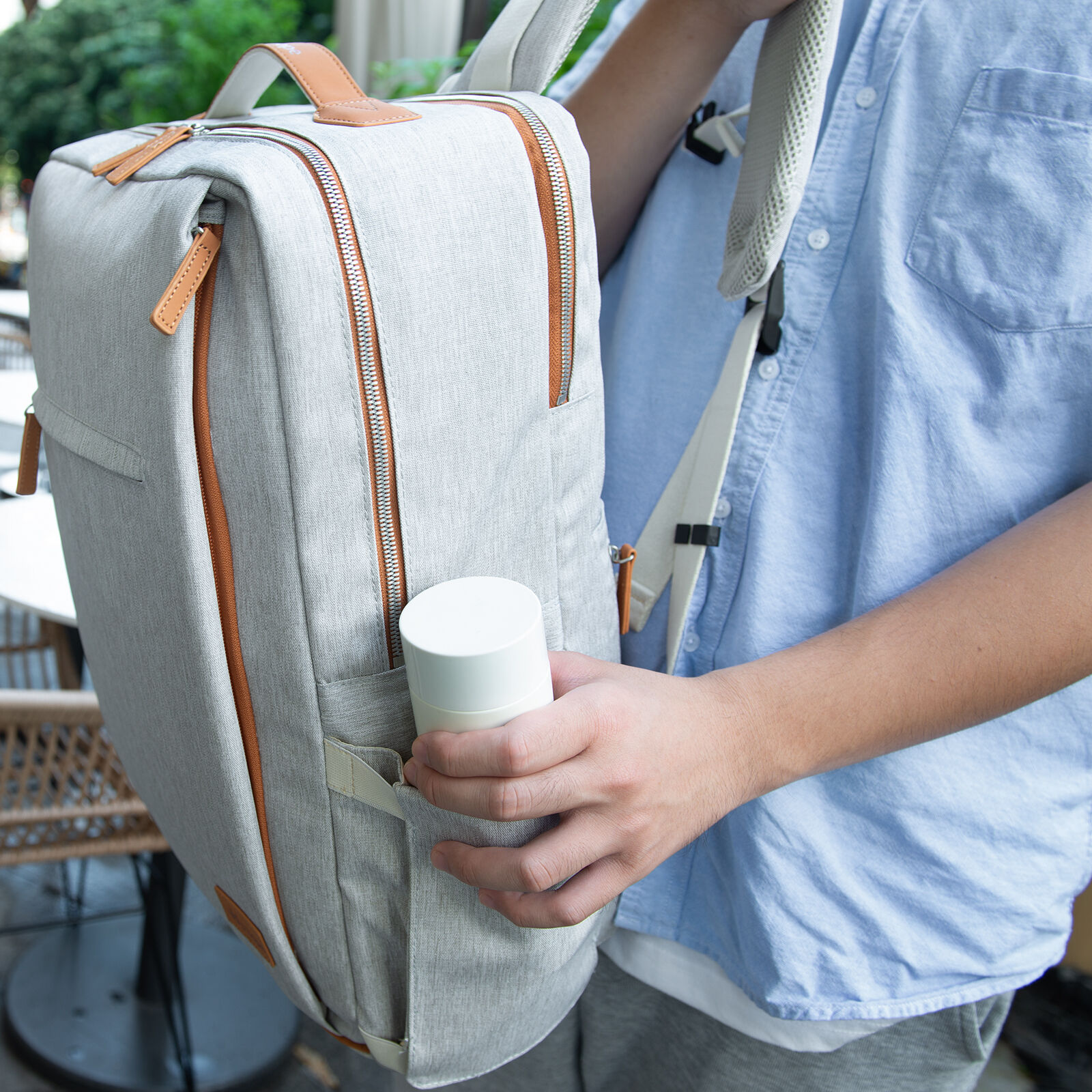
Choosing the perfect solo travel backpack can make the difference between an extraordinary adventure and a frustrating journey filled with discomfort and inconvenience. For solo travelers embarking on global adventures, selecting the right backpack size requires careful consideration of travel duration, destination climate, packing style, and personal comfort preferences. The ideal solo travel backpack serves as your mobile home, carrying everything essential while remaining manageable enough for extended periods of exploration across diverse terrains and cultures.
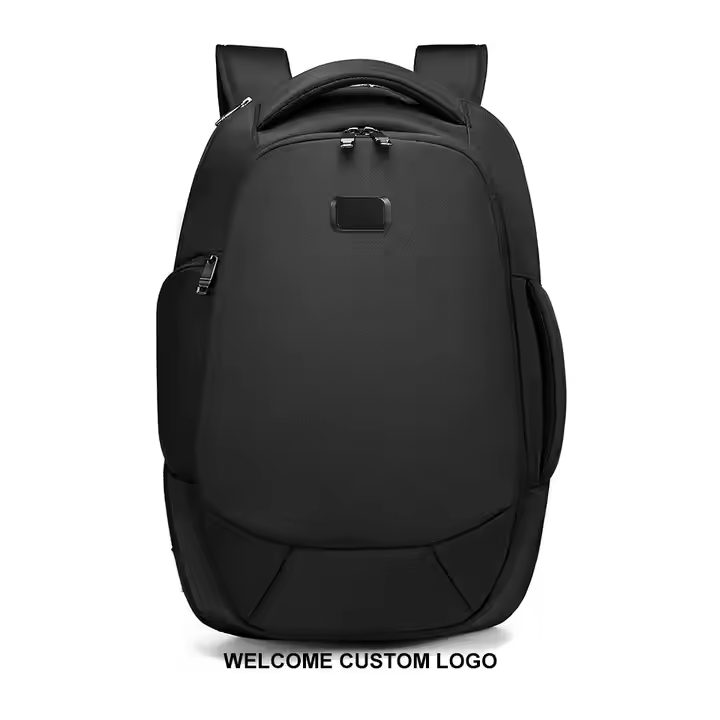
Modern solo travelers face unique challenges that distinguish their packing needs from group travelers or business professionals. Without companions to share gear or assistance carrying heavy loads, every ounce matters significantly more. The weight distribution, accessibility features, and durability of your solo travel backpack become critical factors that directly impact your mobility, energy levels, and overall travel experience. Understanding these fundamental considerations helps narrow down the vast array of backpack options available in today's market.
Global adventures often involve multiple transportation methods, varying accommodation styles, and unpredictable weather conditions. Your solo travel backpack must adapt seamlessly to bustling airports, cramped train compartments, remote hiking trails, and everything in between. This versatility requirement influences not only the size selection but also the design features that enhance functionality across diverse travel scenarios.
Understanding Backpack Size Classifications
Volume Measurements and Capacity Guidelines
Backpack capacity is measured in liters, providing a standardized method for comparing different models and brands. Small daypacks typically range from 10-25 liters, suitable for short excursions but inadequate for extended solo travel adventures. Medium-sized backpacks fall between 30-50 liters, offering sufficient space for weekend trips or minimalist travelers with exceptional packing skills. Large backpacks exceed 50 liters, providing ample room for extended journeys but potentially creating mobility challenges for solo adventurers.
The relationship between volume and practical usability isn't always straightforward, as backpack design significantly influences how efficiently space can be utilized. A well-designed 35-liter solo travel backpack with multiple compartments and compression features might accommodate more gear effectively than a poorly organized 45-liter alternative. Smart internal organization, expandable sections, and strategic pocket placement maximize the functional capacity beyond simple volume measurements.
Weight considerations become increasingly important as backpack size increases, since larger packs invite overpacking and create additional strain on the traveler's body. The empty weight of the backpack itself also scales proportionally with size, meaning a 60-liter pack weighs significantly more than a 30-liter alternative before adding any personal items. For solo travelers who must carry their entire load independently, this weight penalty can substantially impact daily comfort and mobility.
Size Categories for Different Travel Styles
Minimalist solo travelers often gravitate toward backpacks in the 25-35 liter range, prioritizing mobility and forcing themselves to pack only absolute essentials. This approach works exceptionally well for warm climate destinations, short-duration trips, or travelers comfortable with frequent laundry stops. The lightweight nature of smaller packs enables easier navigation through crowded spaces, reduces fatigue during long walking days, and meets most airline carry-on restrictions.
Moderate packers typically find success with solo travel backpack options between 40-50 liters, providing reasonable space for varied clothing options, basic camping gear, or electronics without becoming unmanageably heavy. This size category represents the sweet spot for many global adventures, offering flexibility for different climates and activities while maintaining reasonable portability. The additional space accommodates souvenirs, extra gear acquired during travel, or seasonal clothing changes.
Comprehensive packers who prefer carrying extensive gear, camping equipment, or professional equipment may require 55+ liter backpacks, though this choice comes with significant mobility trade-offs. While larger packs enable self-sufficiency in remote locations and eliminate concerns about finding suitable gear at destinations, they also limit transportation options and increase physical demands during extended carrying periods.
Optimal Size Recommendations for Global Adventures
The 35-45 Liter Sweet Spot
Industry experts and experienced solo travelers consistently recommend backpacks in the 35-45 liter range as the optimal choice for global adventures. This size category provides sufficient space for 2-3 weeks of clothing, essential electronics, basic medical supplies, and small luxury items that enhance travel comfort. The solo travel backpack in this range typically weighs between 2-4 pounds empty, leaving room for 25-35 pounds of gear while staying within comfortable carrying limits.
Backpacks in this size range offer excellent versatility across different travel scenarios, from urban exploration to moderate outdoor adventures. They meet most airline carry-on requirements when properly packed, eliminating checked baggage fees and reducing loss risks. The manageable size enables easy storage in hostel lockers, train overhead compartments, and bus storage areas without causing inconvenience to fellow travelers or transportation operators.
The psychological benefits of mid-size backpacks shouldn't be underestimated, as they encourage thoughtful packing decisions without creating anxiety about space limitations. Solo travelers report greater confidence and independence when carrying appropriately sized loads, leading to more spontaneous adventures and reduced decision fatigue about what to bring or leave behind.
Climate and Seasonal Considerations
Tropical and warm climate destinations allow solo travelers to pack lighter clothing, toiletries, and gear, making smaller backpack sizes more viable. A 30-35 liter solo travel backpack can easily accommodate lightweight fabrics, minimal footwear, and essential electronics for extended warm weather adventures. The reduced bulk of summer clothing creates additional space for cameras, books, or small souvenirs without exceeding comfortable weight limits.
Cold climate adventures require significantly more clothing volume, insulation layers, and potentially specialized gear like warm sleeping bags or winter accessories. Solo travelers heading to cold destinations typically need 40-50 liter capacity to accommodate bulky jackets, thermal layers, waterproof gear, and insulated footwear. Even with compression techniques, winter clothing occupies substantially more space than summer alternatives.
Multi-climate journeys present unique packing challenges, as travelers must prepare for diverse weather conditions throughout their adventure. Strategic layering systems and versatile clothing choices become essential, along with selecting a solo travel backpack size that accommodates seasonal variations. Many experienced travelers recommend 45-liter capacity for multi-climate adventures, providing flexibility for gear additions or subtractions as conditions change.
Practical Packing Strategies and Space Optimization
Efficient Packing Techniques
Maximizing space efficiency within your chosen solo travel backpack requires strategic packing techniques that go beyond simply stuffing items inside. Rolling clothes instead of folding can reduce volume by 20-30%, while packing cubes create organized compartments that prevent items from shifting and wasting space. Compression sacks work exceptionally well for bulky items like sleeping bags or puffy jackets, significantly reducing their packed volume.
Weight distribution plays a crucial role in backpack comfort and stability, with heavier items positioned close to the back and centered vertically within the pack. Frequently accessed items should occupy easily reachable pockets or top sections, while rarely needed gear can be packed deep in the main compartment. This organizational strategy reduces the need to unpack extensively when searching for specific items during travel.
Dual-purpose items significantly improve packing efficiency within space-constrained solo travel backpack configurations. A sarong functions as a towel, blanket, privacy screen, or fashion accessory, while a smartphone eliminates the need for separate cameras, maps, books, and entertainment devices. Choosing gear that serves multiple functions maximizes utility while minimizing volume and weight requirements.
Essential vs Non-Essential Item Classification
Developing a clear distinction between essential and non-essential items helps solo travelers make informed decisions about what deserves precious space in their backpack. Essential items include important documents, basic medications, weather-appropriate clothing, and safety equipment that cannot be easily replaced at most destinations. These items should be prioritized regardless of space constraints, as their absence could significantly impact travel safety or legality.
Semi-essential items include comfort-enhancing gear, electronics, and clothing beyond basic requirements. A solo travel backpack should accommodate reasonable quantities of these items without compromising essential gear space. Examples include extra clothing for social situations, entertainment devices, photography equipment, or specialized gear for planned activities.
Non-essential items encompass luxury goods, backup versions of easily replaceable items, and gear for unlikely scenarios. While these items might enhance comfort or convenience, they shouldn't consume significant space in a properly sized backpack. Experienced solo travelers learn to resist the temptation to pack for every possible scenario, instead focusing on versatile essentials that handle most situations effectively.
Weight Distribution and Carrying Comfort
Ergonomic Considerations for Solo Travelers
Solo travelers bear full responsibility for carrying their own gear, making ergonomic backpack design absolutely critical for long-term comfort and health. Proper weight distribution should place approximately 80% of the load close to the wearer's back, with heavier items positioned between the shoulder blades and lower back area. This configuration maintains natural posture and reduces strain on spine and supporting muscles during extended carrying periods.
Backpack fit varies significantly between manufacturers and models, with torso length, shoulder width, and hip size all affecting comfort and stability. A properly fitted solo travel backpack should transfer most weight to the hips through a padded waist belt, with shoulder straps providing balance rather than bearing primary weight. Poor fit can cause pressure points, chafing, and fatigue that significantly detract from travel enjoyment.
Adjustability features become essential for solo travelers who may need to modify their pack configuration based on daily activities or physical condition changes. Load lifter straps, sternum straps, and compression systems allow fine-tuning of weight distribution and pack stability throughout different portions of the journey. These adjustments can mean the difference between comfortable exploration and painful endurance.
Load Management Throughout Extended Travel
Extended solo travel adventures often involve gradual accumulation of additional items, souvenirs, or gear acquired during the journey. A well-chosen solo travel backpack size should accommodate this natural expansion without exceeding comfortable carrying capacity. Planning for 10-15% volume expansion helps prevent the common mistake of starting a journey with a completely full pack that cannot accommodate any additions.
Regular load assessment and gear evaluation help maintain optimal pack weight throughout extended adventures. Solo travelers should periodically review their belongings, discarding worn-out items, mailing unnecessary gear home, or donating excess clothing to local communities. This ongoing process prevents gradual weight accumulation that can transform a comfortable pack into an unwieldy burden.
Seasonal adjustments often require temporary increases or decreases in carried gear, particularly when transitioning between climates or activity types. A thoughtfully sized backpack accommodates these fluctuations without requiring complete repacking or equipment changes. Experienced solo travelers often ship seasonal gear ahead to specific destinations, reducing the need to carry items inappropriate for current conditions.
Durability and Weather Protection
Material Selection and Construction Quality
Global adventures expose backpacks to diverse environmental conditions, rough handling, and extended use that demands exceptional durability from materials and construction. High-quality nylon fabrics, particularly those with denier ratings above 400, provide excellent resistance to abrasion, punctures, and UV degradation. Polyester alternatives offer good durability at lower costs but may not withstand extreme conditions as effectively as premium nylon options.
Zipper quality represents a critical durability factor often overlooked by travelers focused primarily on size and features. YKK zippers, particularly those with larger teeth sizes, demonstrate superior longevity compared to generic alternatives. A solo travel backpack with failed zippers becomes virtually unusable, making this component worthy of special attention during selection processes.
Seam construction and stress point reinforcement significantly influence long-term reliability, especially for solo travelers who cannot easily replace damaged gear during remote adventures. Double-stitched seams, bar-tacking at stress points, and reinforced attachment points for straps and handles prevent common failure modes that plague lower-quality backpacks under extended use conditions.
Weather Resistance and Protection Features
Water resistance becomes essential for solo travelers who encounter unexpected weather conditions without immediate shelter options. While few backpacks offer complete waterproofing, water-resistant coatings and sealed seams provide adequate protection for most travel scenarios. A separate rain cover or dry bags for critical items offers additional security during heavy precipitation or water-based activities.
Dust and sand protection matters significantly in arid climates or windy conditions where fine particles can infiltrate poorly sealed zippers and compromise sensitive electronics. A well-designed solo travel backpack incorporates dust-resistant zippers and sealed compartments that protect valuable gear from environmental contamination. This protection becomes particularly important for extended desert travel or beach-focused adventures.
Temperature extremes can affect both backpack materials and contents, with extreme cold making some fabrics brittle while excessive heat can damage electronics or melt synthetic materials. Quality construction materials maintain flexibility and strength across wide temperature ranges, ensuring reliable performance regardless of climatic conditions encountered during global adventures.
Specialized Features for Solo Travel
Security and Anti-Theft Considerations
Solo travelers face higher security risks compared to group travelers, making anti-theft features increasingly important in backpack selection. Lockable zippers, hidden pockets, and slash-resistant panels provide deterrence against opportunistic theft in crowded areas or public transportation. While no backpack offers complete security, these features significantly reduce vulnerability during vulnerable moments like sleeping in transportation or navigating busy markets.
RFID blocking pockets protect electronic documents and credit cards from scanning theft, a growing concern in technologically advanced cities worldwide. A dedicated security pocket positioned against the wearer's back makes unauthorized access nearly impossible while keeping critical documents easily accessible for legitimate purposes. This feature proves particularly valuable in high-risk urban environments or during border crossings.
Attachment point security prevents loss of valuable items through accidental drops or deliberate theft attempts. Carabiner loops, daisy chains, and internal attachment points allow secure connection of cameras, water bottles, or other frequently used gear. These features reduce the risk of expensive equipment loss while maintaining convenient access during active travel days.
Technology Integration and Modern Conveniences
Modern solo travel increasingly relies on electronic devices for navigation, communication, documentation, and entertainment, creating new requirements for backpack design. Dedicated laptop compartments with adequate padding protect expensive devices during transportation while providing easy access during security screenings or work sessions. A properly designed solo travel backpack accommodates devices up to 16 inches without compromising other storage space.
USB charging ports and cable management systems address the reality of constant device usage during extended travel. Internal cable routing prevents tangled cords while external charging ports enable power bank usage without unpacking. These features prove particularly valuable during long transportation periods or in locations with limited charging opportunities.
Organization systems designed for modern gear requirements help solo travelers maintain efficient packing and quick access to frequently needed items. Mesh pockets for chargers, dedicated slots for power banks, and cord management systems prevent the chaos that typically accompanies electronic device travel. Well-organized electronics storage also speeds security screenings and reduces the risk of leaving valuable items behind.
FAQ
What is the maximum weight I should carry in my solo travel backpack?
Most travel experts recommend limiting total backpack weight to 10-15% of your body weight for comfortable extended carrying. For a 150-pound person, this translates to roughly 15-22 pounds maximum. However, personal fitness levels, travel intensity, and terrain difficulty should influence this guideline. Solo travelers should prioritize comfort over carrying capacity, as overloading can lead to injury and reduced enjoyment of travel experiences.
Can a 30-liter backpack work for long-term solo travel?
A 30-liter solo travel backpack can work for long-term travel with careful planning and minimalist packing strategies. Success depends on climate conditions, laundry frequency, and personal comfort with limited clothing options. Warm climate destinations and travelers comfortable with frequent washing can make this size work effectively. However, cold weather travel or multi-climate journeys typically require larger capacity for adequate gear storage.
How do I know if my backpack fits properly?
Proper backpack fit involves several key measurements and comfort indicators. The torso length should match your measurement from the base of your neck to the top of your hip bones. When loaded and worn, the hip belt should sit comfortably on your hip bones, carrying most of the weight. Shoulder straps should curve naturally over your shoulders without gaps or pressure points, and you should be able to adjust load lifters to pull the pack closer to your back.
Should I choose a backpack with wheels for solo travel?
Wheeled backpacks offer convenience on smooth surfaces but create significant limitations for true adventure travel. They typically weigh more than standard backpacks, have less efficient internal organization, and become problematic on stairs, rough terrain, or crowded transportation. For urban-focused solo travel with good infrastructure, wheeled options might work, but traditional backpacks offer superior versatility for diverse global adventures and challenging terrain.