 EN
EN


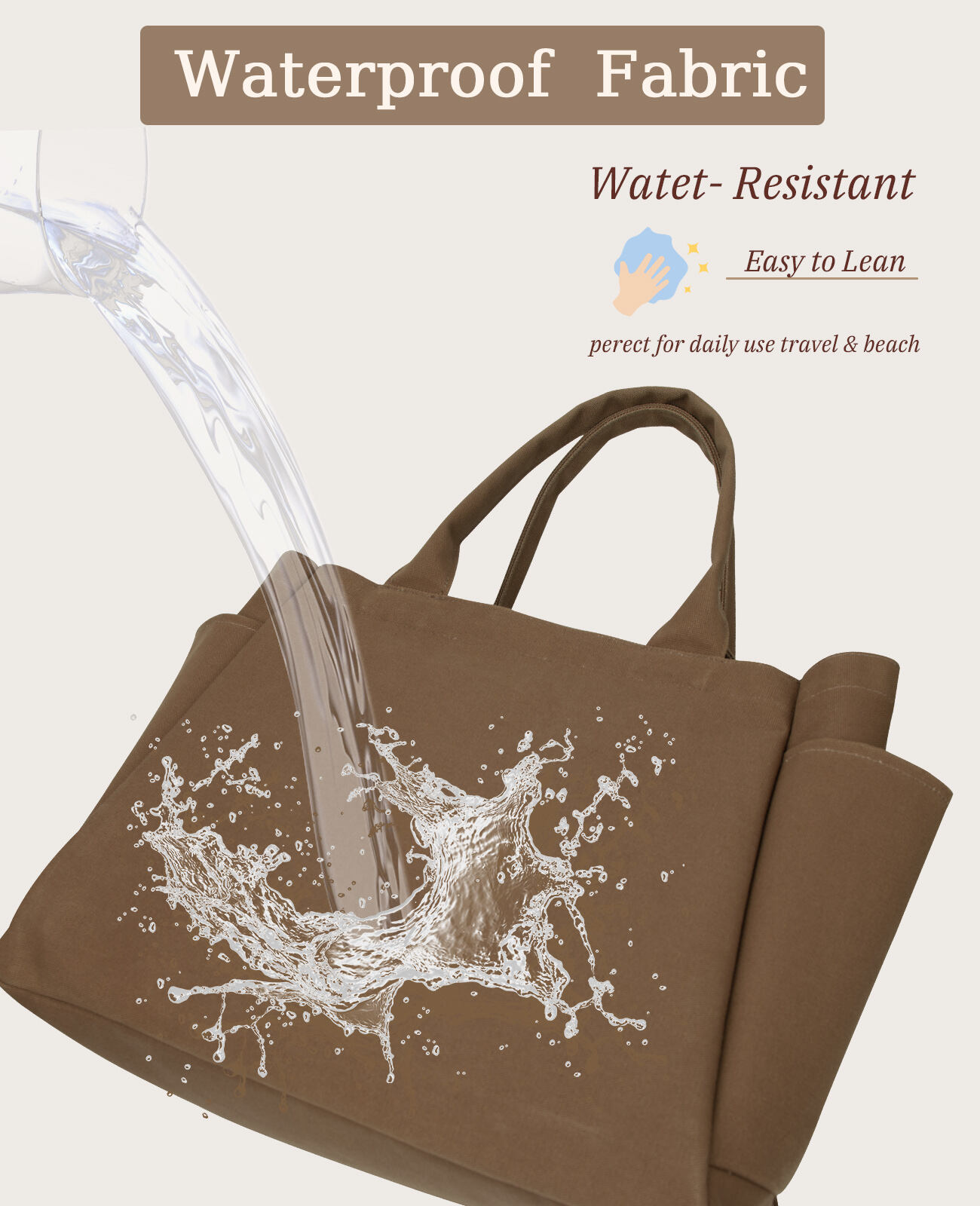
Salt air poses unique challenges to beach travel bags that extend far beyond simple moisture exposure. The combination of sodium chloride particles, ultraviolet radiation, high humidity, and temperature fluctuations creates a corrosive environment that systematically degrades poorly chosen materials. Understanding how different fabrics, coatings, hardware components, and construction methods respond to coastal conditions is essential for selecting a beach travel bag that maintains structural integrity, aesthetic appeal, and functional reliability across multiple seasons. Material selection directly determines whether your bag will endure years of coastal adventures or deteriorate within months of regular beach exposure.
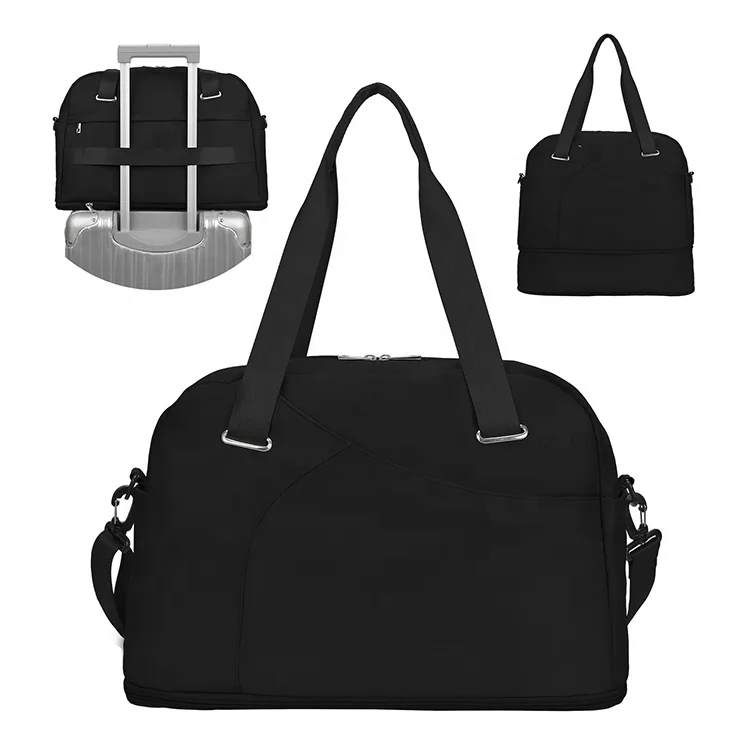
The science behind material degradation in marine environments reveals why seemingly durable bags fail prematurely when exposed to salt-laden coastal air. Salt crystals act as hygroscopic agents, attracting and retaining moisture against fabric surfaces while simultaneously creating abrasive contact points that accelerate fiber breakdown. This moisture retention promotes oxidation in metal components, hydrolysis in synthetic polymers, and biological growth in natural fibers. The relentless cycle of salt deposition, moisture absorption, solar heating, and mechanical stress creates cumulative damage that compounds with each beach visit. Consequently, material composition becomes the primary determinant of whether a beach travel bag survives or succumbs to the harsh realities of seaside conditions.
The Chemical Warfare Salt Air Wages Against Beach Travel Bag Materials
Understanding Salt Crystal Formation and Fabric Penetration Mechanisms
When ocean spray evaporates, it leaves behind concentrated sodium chloride crystals that embed themselves within the weave structure of beach travel bag fabrics. These microscopic crystals act as moisture magnets, continuously drawing water vapor from the surrounding humid air even when the bag appears dry to touch. This perpetual dampness creates ideal conditions for material degradation at the molecular level. Natural fibers like cotton and canvas absorb these salt-laden moisture reserves directly into their cellular structure, causing fiber swelling, weakening of intermolecular bonds, and eventual structural collapse. The salt crystals themselves create abrasive grinding points within the fabric matrix, accelerating wear patterns that would normally take years to develop under non-coastal conditions.
Synthetic materials face different but equally destructive challenges from salt crystal accumulation. Polyester and nylon fabrics generally resist moisture absorption better than natural alternatives, but salt deposits accumulate on their surfaces and within their weave interstices. When these deposits are subjected to mechanical flexing during normal bag use, they act as microscopic cutting edges that gradually sever individual filaments. The cumulative effect manifests as premature fabric thinning, reduced tear strength, and eventual catastrophic failure at stress concentration points such as seams and attachment zones. Understanding this mechanism explains why material density, weave tightness, and surface treatments become critical factors in extending beach travel bag longevity.
Oxidation Acceleration Through Chloride Ion Catalysis
Chloride ions present in sea salt act as powerful catalysts for oxidation reactions affecting both organic and metallic components of a beach travel bag. These ions facilitate electron transfer processes that accelerate the breakdown of polymer chains in synthetic fabrics, causing loss of tensile strength, flexibility, and color stability. The process operates continuously in the presence of moisture and oxygen, which coastal environments provide in abundance. Even materials specifically engineered for outdoor use experience accelerated aging when chloride catalysis combines with ultraviolet exposure and thermal cycling. This explains why beach travel bags constructed from standard outdoor fabrics may perform adequately in mountain or forest environments yet fail rapidly in coastal settings.
Metal hardware components including zippers, buckles, rings, and rivets face severe oxidation challenges in salt air environments. Chloride ions penetrate protective oxide layers that normally shield metal surfaces, establishing electrochemical cells that drive rapid corrosion. Stainless steel grades below 316 marine specification prove particularly vulnerable, developing surface pitting and structural weakening within months of regular beach exposure. Brass and aluminum alloys fare slightly better but still experience galvanic corrosion when in contact with dissimilar metals or conductive fabrics. The progressive deterioration of hardware components often renders an otherwise intact beach travel bag functionally useless, highlighting the necessity of marine-grade hardware selection for coastal applications.
Material Categories and Their Specific Vulnerabilities in Coastal Environments
Natural Fiber Performance Limitations in Salt Air Exposure
Canvas and cotton-based beach travel bags possess aesthetic appeal and initial durability that attracts many consumers, but these natural materials demonstrate fundamental incompatibility with prolonged salt air exposure. Cotton fibers absorb moisture readily, swelling to accommodate water molecules within their cellulose structure. When that moisture contains dissolved salts, the crystallization process during drying cycles creates internal mechanical stress that fractures fiber walls and weakens structural integrity. Repeated wetting and drying cycles characteristic of beach environments accelerate this degradation, causing fabric stiffening, loss of flexibility, and eventual fiber disintegration. The hydrophilic nature that makes cotton comfortable against skin becomes a liability when salt-laden moisture promotes continuous degradation cycles.
Biological degradation represents another significant vulnerability for natural fiber beach travel bags in coastal humidity. Salt air environments typically maintain relative humidity levels above 70 percent, creating ideal conditions for mold, mildew, and bacterial colonization of organic materials. These microorganisms secrete enzymes that digest cellulose and other natural polymers, effectively consuming the fabric structure from within. The musty odors, discoloration, and fabric weakening that result often appear within weeks of regular beach use when proper drying protocols are not rigorously maintained. While chemical treatments can provide temporary protection, these deterrents gradually leach away with repeated water exposure, leaving natural fibers increasingly vulnerable to biological attack with each beach season.
First Generation Synthetic Material Shortcomings
Standard polyester and basic nylon fabrics commonly found in economy beach travel bags offer improved moisture resistance compared to natural fibers but still demonstrate significant vulnerabilities under sustained salt air exposure. Uncoated polyester fabrics resist immediate water absorption but allow salt-laden moisture to permeate their relatively open weave structures. The salt crystals that accumulate within these interstices create abrasion points during flexing and folding, accelerating surface fiber breakage. Additionally, polyester's chemical structure proves susceptible to hydrolysis when continuously exposed to moisture and heat—conditions ubiquitous in coastal environments. This slow molecular breakdown manifests as progressive loss of tensile strength and eventual fabric failure at stress concentration points.
Basic nylon formulations demonstrate better initial performance than polyester but face degradation through different mechanisms. Nylon's inherent moisture absorption capacity, while lower than natural fibers, still permits salt solution penetration that promotes plasticizer migration and polymer chain scission. The resulting fabric stiffening and brittleness typically appears after one to two seasons of regular beach use. Ultraviolet radiation compounds these problems by breaking chemical bonds in both polyester and nylon polymers, causing color fading and surface chalking that signals deeper structural deterioration. The combination of salt-catalyzed chemical degradation and photodegradation explains why first-generation synthetic beach travel bags often exhibit surprisingly short service lives despite their initial apparent robustness.
Advanced Synthetic Materials Engineered for Marine Durability
Modern high-performance fabrics specifically engineered for marine applications demonstrate substantially superior resistance to salt air degradation mechanisms. Solution-dyed acrylic fabrics incorporate UV stabilizers and hydrophobic treatments throughout their polymer structure rather than as surface coatings, providing consistent protection that does not wash away or wear off over time. These materials combine excellent color stability, resistance to mold and mildew, and structural integrity maintenance even after years of coastal exposure. The closed-cell structure typical of advanced synthetics prevents salt crystal penetration while maintaining breathability sufficient to prevent condensation accumulation within bag compartments.
Ripstop nylon variants incorporating heavyweight denier ratings and tight weave patterns offer another durable option for beach travel bag construction. When combined with polyurethane or silicone coatings applied through advanced lamination processes, these fabrics achieve waterproof performance while maintaining flexibility across wide temperature ranges. The ripstop grid structure distributes stress across the fabric plane, preventing tear propagation from punctures or abrasion damage. For maximum salt air resistance, manufacturers increasingly specify marine-grade coated fabrics that integrate corrosion inhibitors within the coating matrix itself. These materials demonstrate exceptional longevity in direct salt spray testing, often exceeding 1000 hours of continuous exposure without significant degradation—performance levels unattainable with conventional beach travel bag materials.
Critical Role of Protective Coatings and Surface Treatments
Durable Water Repellent Technology Limitations in Salt Environments
Standard durable water repellent treatments commonly applied to beach travel bag fabrics provide initial protection against moisture absorption but demonstrate progressive failure under salt air conditions. These fluoropolymer-based coatings work by creating microscopic surface structures that increase water contact angles, causing droplets to bead and roll off rather than spreading and penetrating fabric weaves. However, salt crystals gradually abrade these delicate surface structures during normal bag flexing and handling. Additionally, the hygroscopic nature of salt deposits allows moisture films to form beneath the water repellent layer, effectively bypassing the protective mechanism. Most conventional DWR treatments lose effectiveness after 10 to 20 washing cycles or equivalent mechanical wear, requiring reapplication to maintain protection.
The environmental persistence concerns surrounding traditional fluorocarbon-based water repellents have driven development of alternative chemistries including silicone and wax-based treatments. While these newer formulations address environmental concerns, they generally demonstrate reduced durability and effectiveness compared to legacy fluoropolymer technologies. For beach travel bag applications, this tradeoff becomes particularly problematic because salt air environments demand maximum water repellency performance maintained across extended service periods. The gradual degradation of water repellent treatments directly correlates with accelerated fabric deterioration as moisture and salt gain increasing access to underlying fiber structures. This reality emphasizes the importance of selecting beach travel bags with factory-applied, durable coating systems rather than relying on aftermarket spray-on treatments that provide only temporary protection.
Polyurethane and PVC Coating Performance Characteristics
Polyurethane-coated fabrics represent a middle-ground solution for beach travel bag construction, offering enhanced water resistance and salt protection at moderate cost points. These coatings create continuous barrier layers that prevent moisture and salt penetration when properly applied and maintained. Polyurethane demonstrates good flexibility across normal beach environment temperature ranges and maintains adhesion to base fabrics better than many alternative coatings. However, polyurethane's chemical structure proves vulnerable to hydrolysis over extended periods, particularly when continuously exposed to warm, humid, salt-laden conditions typical of coastal storage. This gradual breakdown manifests as coating delamination, tackiness, and eventual complete coating failure, typically occurring after two to four years of regular beach use depending on care and storage practices.
PVC-coated fabrics offer superior resistance to hydrolytic degradation but introduce different performance tradeoffs. The rigid nature of PVC coatings results in stiffer fabrics that lack the supple hand feel preferred by many beach travel bag users. Additionally, PVC demonstrates poor low-temperature flexibility, becoming brittle and crack-prone when exposed to air-conditioned environments or winter storage conditions. Despite these limitations, PVC coatings excel at blocking salt and moisture transmission, making them appropriate for beach travel bag components that prioritize protection over flexibility such as bottom panels and wet compartment linings. Modern plasticizer formulations have improved PVC flexibility and durability, but concerns about plasticizer migration and environmental persistence continue to limit PVC adoption in premium beach travel bag designs that emphasize sustainability alongside performance.
Advanced Laminate and Membrane Technologies
High-performance laminated fabrics incorporating breathable waterproof membranes represent the premium tier for beach travel bag construction in severe salt air environments. These systems bond microporous membranes to base fabrics through heat and pressure processes, creating integrated structures that allow water vapor transmission while blocking liquid water and salt penetration. The membrane pore sizes—typically 0.2 to 10 microns—permit water vapor molecules to pass through while preventing liquid water droplets and dissolved salt from penetrating. This breathability prevents condensation accumulation within beach travel bags while maintaining complete protection against external moisture and salt intrusion, addressing one of the fundamental challenges in coastal bag design.
The durability advantages of laminated membrane systems become particularly evident in long-term salt air exposure scenarios. Unlike surface coatings that gradually wear away, laminated membranes are protected between outer face fabrics and backing layers, shielding them from abrasion and chemical attack. Quality membrane materials demonstrate remarkable stability in accelerated aging tests, maintaining waterproof and breathable performance after exposure conditions equivalent to five to ten years of typical beach use. The primary vulnerabilities of these systems involve mechanical damage from sharp objects and delamination at seam locations where stitching creates penetration points. Advanced beach travel bag designs address these concerns through strategic membrane placement, seam sealing protocols, and reinforcement schemes that maximize the considerable salt air resistance advantages these premium materials provide.
Hardware Component Material Selection for Corrosion Resistance
Zipper Construction and Material Grade Requirements
Zipper failure represents one of the most common beach travel bag durability issues in salt air environments, yet this problem stems entirely from inadequate material specification rather than inherent design limitations. Standard brass zippers develop verdigris corrosion within weeks of coastal exposure as chloride ions penetrate the protective zinc coating and attack underlying copper alloys. The resulting corrosion products bind zipper teeth together, increase friction resistance, and eventually cause complete zipper seizure. Aluminum zippers fare slightly better but still develop oxide layers that increase operating friction and promote premature slider wear. The fine manufacturing tolerances required for smooth zipper operation mean that even minor corrosion progression can render zippers functionally useless while the surrounding beach travel bag fabric remains perfectly intact.
Marine-grade zippers constructed from 316 stainless steel or corrosion-resistant polymer materials provide the only reliable solution for beach travel bag applications involving regular salt air exposure. Stainless steel zippers in 316 grade contain molybdenum additions that dramatically improve chloride corrosion resistance compared to standard 304 stainless or lower grades. These zippers maintain smooth operation across thousands of cycles even after continuous salt spray exposure. High-performance polymer zippers manufactured from acetal resins or nylon compounds offer even greater corrosion immunity along with weight reduction benefits. While polymer zippers lack the premium aesthetic appeal of metal alternatives, their functional superiority in corrosive environments makes them increasingly common in performance-oriented beach travel bag designs. The modest cost premium for corrosion-resistant zipper specifications—typically 15 to 30 percent over standard brass options—represents insignificant investment given the functional criticality of these components.
Buckle, Ring, and Fastener Corrosion Mitigation
Load-bearing hardware components including buckles, D-rings, and snap fasteners must withstand substantial mechanical stress while simultaneously resisting aggressive salt air corrosion. Standard steel hardware develops rust blooms within days of beach exposure unless protected by substantial coating systems. Even galvanized or zinc-plated steel components demonstrate limited service life as chloride ions eventually penetrate protective layers and establish corrosion cells beneath. The cosmetic issues of rust staining represent secondary concerns compared to the structural degradation that compromises load-bearing capacity. Catastrophic hardware failure while carrying loaded beach travel bags creates safety hazards and equipment damage that far outweighs the minimal cost savings achieved through substandard hardware specification.
Premium beach travel bag construction employs either 316 stainless steel or anodized aluminum hardware for all critical load-bearing applications. Stainless steel provides maximum strength and corrosion resistance, maintaining structural integrity indefinitely under salt air exposure. Anodized aluminum offers equivalent corrosion resistance with 60 percent weight reduction, though lower ultimate strength limits its use to moderate-load applications. Cast aluminum hardware demonstrates superior corrosion resistance to stamped steel alternatives while maintaining adequate strength for typical beach travel bag load requirements. High-performance polymer buckles and fasteners manufactured from glass-reinforced nylon compounds provide another viable option, particularly for applications where metal detection concerns or weight minimization drive design requirements. The key specification criterion involves confirming that all hardware components carry appropriate marine-grade ratings rather than accepting standard outdoor-grade materials that prove inadequate in corrosive coastal environments.
Thread and Stitching Material Compatibility
Thread selection profoundly impacts beach travel bag longevity yet receives insufficient attention in most consumer purchasing decisions. Cotton and cotton-blend threads absorb moisture readily and demonstrate rapid degradation when continuously exposed to salt-laden humidity. The fine diameter of sewing threads makes them particularly vulnerable to salt crystal abrasion and biological attack, often failing completely within one to two seasons despite apparently intact surrounding fabrics. Thread failure typically initiates at high-stress locations such as strap attachment points and bottom seam intersections, where mechanical loading combines with environmental exposure to accelerate degradation. Once seam integrity is compromised, failure progression accelerates rapidly as remaining intact stitches carry progressively higher loads until cascading failure occurs.
Bonded polyester and PTFE-coated threads provide substantially superior performance for beach travel bag seam construction. Bonded polyester threads incorporate resin treatments that reduce moisture absorption, enhance abrasion resistance, and improve UV stability compared to unbonded alternatives. The bonding process also reduces thread fuzziness and improves sewability, resulting in cleaner, more uniform seams less prone to salt crystal accumulation. PTFE-coated threads offer ultimate durability for extreme salt air exposure, with near-complete chemical inertness and exceptional UV resistance. While more expensive and slightly more challenging to sew, PTFE threads maintain seam integrity across decades of coastal use where lesser threads fail within seasons. The thread specification represents a small fraction of total beach travel bag material cost yet determines whether seams remain intact across the bag's intended service life or fail prematurely, rendering more expensive fabric and hardware selections irrelevant.
Practical Material Care Protocols to Maximize Beach Travel Bag Longevity
Post-Use Cleaning and Salt Removal Procedures
Even beach travel bags constructed from optimal salt-resistant materials require proper maintenance protocols to achieve maximum service life. Salt crystal accumulation occurs with every beach exposure regardless of material quality, and these deposits continue driving degradation processes until physically removed. Effective post-beach cleaning begins with thorough fresh water rinsing to dissolve and flush away salt deposits before they crystallize and embed within fabric structures. Rinsing should occur as soon as practical after beach exposure while salt remains in solution rather than allowing it to dry and concentrate. Particular attention should focus on seams, pocket corners, and hardware interfaces where salt-laden moisture tends to accumulate and evaporate.
For comprehensive salt removal, periodic washing with mild detergent solutions provides superior results compared to simple rinsing. The surfactants in quality detergents help dissolve salt deposits, emulsify sunscreen and skin oil residues, and lift embedded sand particles that contribute to abrasive wear. Avoid harsh detergents, bleaches, or solvents that may degrade water-repellent treatments, coatings, or fabric dyes. After washing, thorough rinsing removes detergent residues that could otherwise attract dirt or interfere with water repellency. The slight inconvenience of proper post-beach cleaning extends beach travel bag service life by factors of two to five compared to neglected bags that accumulate progressive salt deposits across multiple beach seasons. This maintenance investment requires minimal time and resources while protecting substantial equipment investment.
Drying Methods and Storage Environment Optimization
Proper drying protocols prove equally critical to post-use cleaning for maximizing beach travel bag durability in salt air environments. Storing damp or incompletely dried bags creates ideal conditions for mold, mildew, and accelerated material degradation through hydrolysis and bacterial activity. Bags should be hung or spread in well-ventilated locations away from direct sunlight to facilitate complete moisture evaporation. While ultraviolet exposure provides some antimicrobial benefits, prolonged sun exposure accelerates photodegradation of fabrics, coatings, and threads, creating net negative impacts. Indoor drying in temperature-controlled environments with good air circulation provides optimal conditions, though outdoor shaded drying offers acceptable alternatives when indoor space is unavailable.
Long-term storage location significantly impacts beach travel bag material condition between use periods. Bags stored in garages, sheds, or other uncontrolled coastal environments continue experiencing salt air exposure and humidity cycling that drives ongoing material degradation even during storage. Climate-controlled indoor storage dramatically reduces these environmental stresses, essentially pausing degradation processes during off-season periods. Storage containers should allow air circulation to prevent condensation accumulation while protecting against dust and pest intrusion. Adding desiccant packets within stored bags helps control residual moisture and inhibit biological growth. For seasonal beach travel bag users in coastal regions, proper storage protocols may account for 60 to 70 percent of total annual environmental exposure, making storage optimization as important as active use care for overall durability outcomes.
Protective Treatment Reapplication and Damage Repair
Water repellent treatments inevitably degrade with use and cleaning, requiring periodic reapplication to maintain optimal protection. Spray-on or wash-in DWR products allow consumers to refresh protective treatments without professional service, though results vary substantially based on product quality and application technique. Quality fluoropolymer-based treatments provide superior performance but carry higher costs and environmental concerns. Silicone and wax-based alternatives offer more sustainable options with acceptable though somewhat reduced effectiveness. Treatment reapplication should occur when water no longer beads on fabric surfaces or when fabrics begin wetting out during light rain exposure, typically after every 10 to 20 beach outings depending on use intensity and cleaning frequency.
Proactive repair of minor damage prevents progression to catastrophic failures that render beach travel bags unusable. Small tears, abraded areas, and loose stitching should receive immediate attention through patching, sealing, or reinforcement stitching. Fabric patches designed for outdoor gear repair bond effectively to most beach travel bag materials and prevent tear propagation. Seam sealer products restore water resistance at stitching penetrations where thread degradation or coating damage has occurred. Hardware maintenance including zipper cleaning, lubricant application, and buckle inspection should occur regularly to identify developing problems before complete functional failure. The modest time investment in preventive maintenance and minor repairs extends beach travel bag service life substantially while maintaining functional reliability across multiple beach seasons. This proactive approach proves far more cost-effective than premature replacement of bags that failed due to neglected minor damage.
FAQ
What material makes a beach travel bag most resistant to salt air corrosion?
Solution-dyed acrylic fabrics and marine-grade coated ripstop nylon demonstrate the highest resistance to salt air degradation among commonly available beach travel bag materials. These fabrics incorporate UV stabilizers and hydrophobic treatments throughout their polymer structure, preventing salt crystal penetration while maintaining flexibility and color stability. For hardware components, 316 stainless steel or high-grade anodized aluminum provide optimal corrosion resistance. Premium designs combine these materials with bonded polyester or PTFE-coated threads and breathable waterproof membranes to achieve service lives exceeding a decade even under continuous coastal exposure.
How often should I clean my beach travel bag to prevent salt damage?
Rinse your beach travel bag with fresh water after every beach use to remove salt deposits before they crystallize and embed within fabric structures. Comprehensive washing with mild detergent should occur every 3 to 5 beach outings or monthly during active use periods, whichever comes first. This cleaning frequency prevents salt accumulation that drives corrosion of metal hardware, degradation of fabrics and coatings, and biological growth in humid storage conditions. Immediate post-beach rinsing proves particularly critical because it addresses salt while still in solution, requiring less aggressive cleaning than would be necessary after salt has dried and concentrated.
Can natural canvas beach travel bags survive in coastal environments?
Natural canvas beach travel bags can function in coastal environments but demonstrate significantly shorter service lives than synthetic alternatives specifically engineered for salt air resistance. Canvas absorbs moisture and salt readily, promoting fiber degradation through repeated wetting and drying cycles. With meticulous maintenance including immediate post-use cleaning, complete drying before storage, and periodic treatment with water repellents and mildew inhibitors, canvas bags may last two to three beach seasons. However, synthetic marine-grade materials typically provide five to ten times longer service life with less demanding maintenance requirements, making them more practical choices for regular beach use in salt air environments.
Why do beach travel bag zippers fail faster than the surrounding fabric?
Zippers fail prematurely because their fine mechanical tolerances make them extremely sensitive to corrosion and salt crystal accumulation. Standard brass and aluminum zippers lack sufficient corrosion resistance for salt air environments, developing oxide layers that increase friction, bind teeth together, and eventually cause complete zipper seizure. Salt crystals lodge between zipper teeth during beach use, creating abrasive grinding during operation that accelerates wear. The solution involves specifying beach travel bags with marine-grade zippers constructed from 316 stainless steel or corrosion-resistant polymers that maintain smooth operation despite continuous salt exposure. Regular zipper cleaning and lubrication with silicone-based products also extends service life significantly.
Table of Contents
- The Chemical Warfare Salt Air Wages Against Beach Travel Bag Materials
- Material Categories and Their Specific Vulnerabilities in Coastal Environments
- Critical Role of Protective Coatings and Surface Treatments
- Hardware Component Material Selection for Corrosion Resistance
- Practical Material Care Protocols to Maximize Beach Travel Bag Longevity
- FAQ