 EN
EN


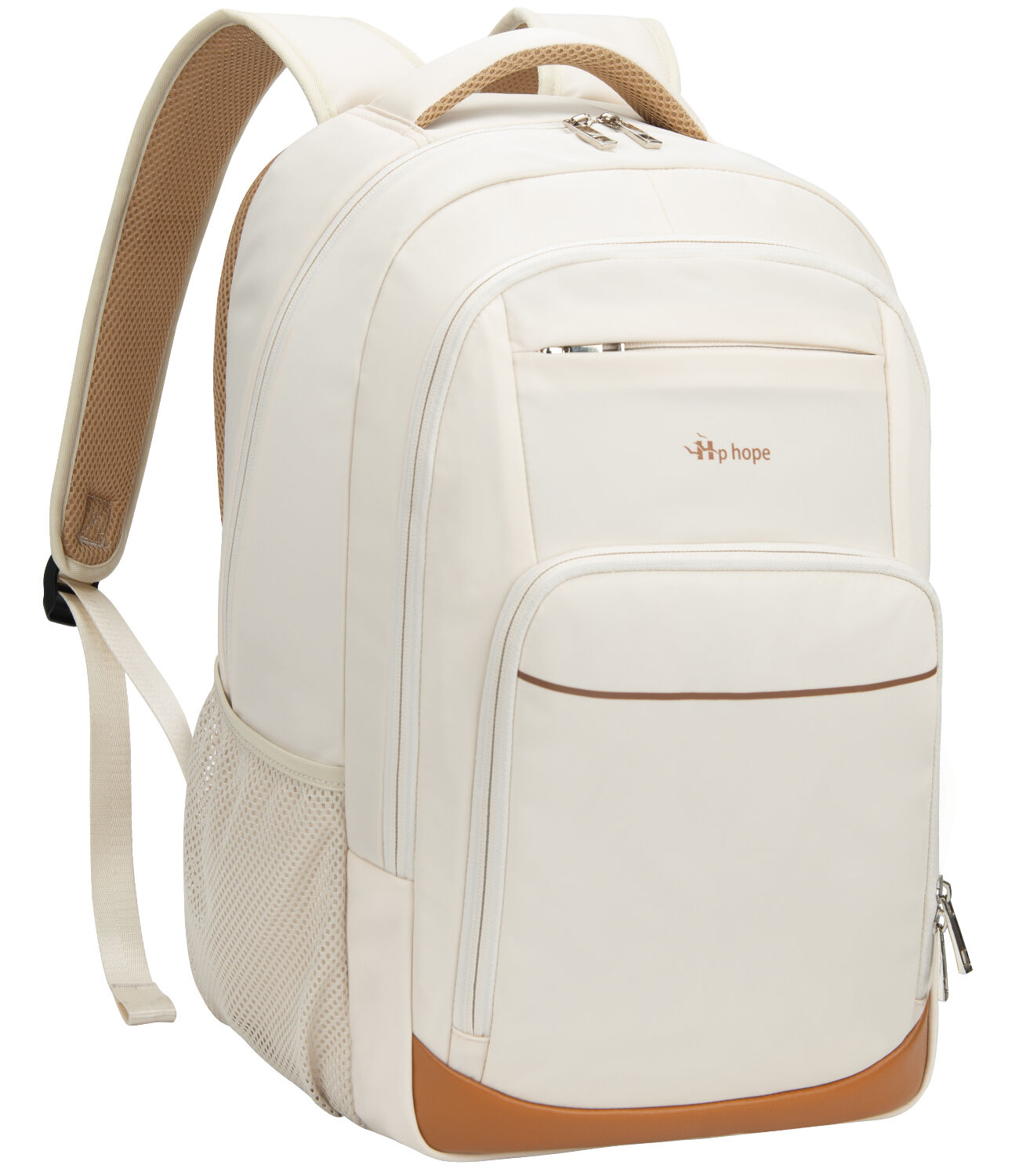
Weight distribution fundamentally determines how comfortable and efficient your hiking experience becomes when carrying a hiking travel backpack. Poor weight distribution can transform an enjoyable outdoor adventure into an exhausting ordeal, causing muscle strain, balance issues, and premature fatigue that compromises both safety and enjoyment on the trail.
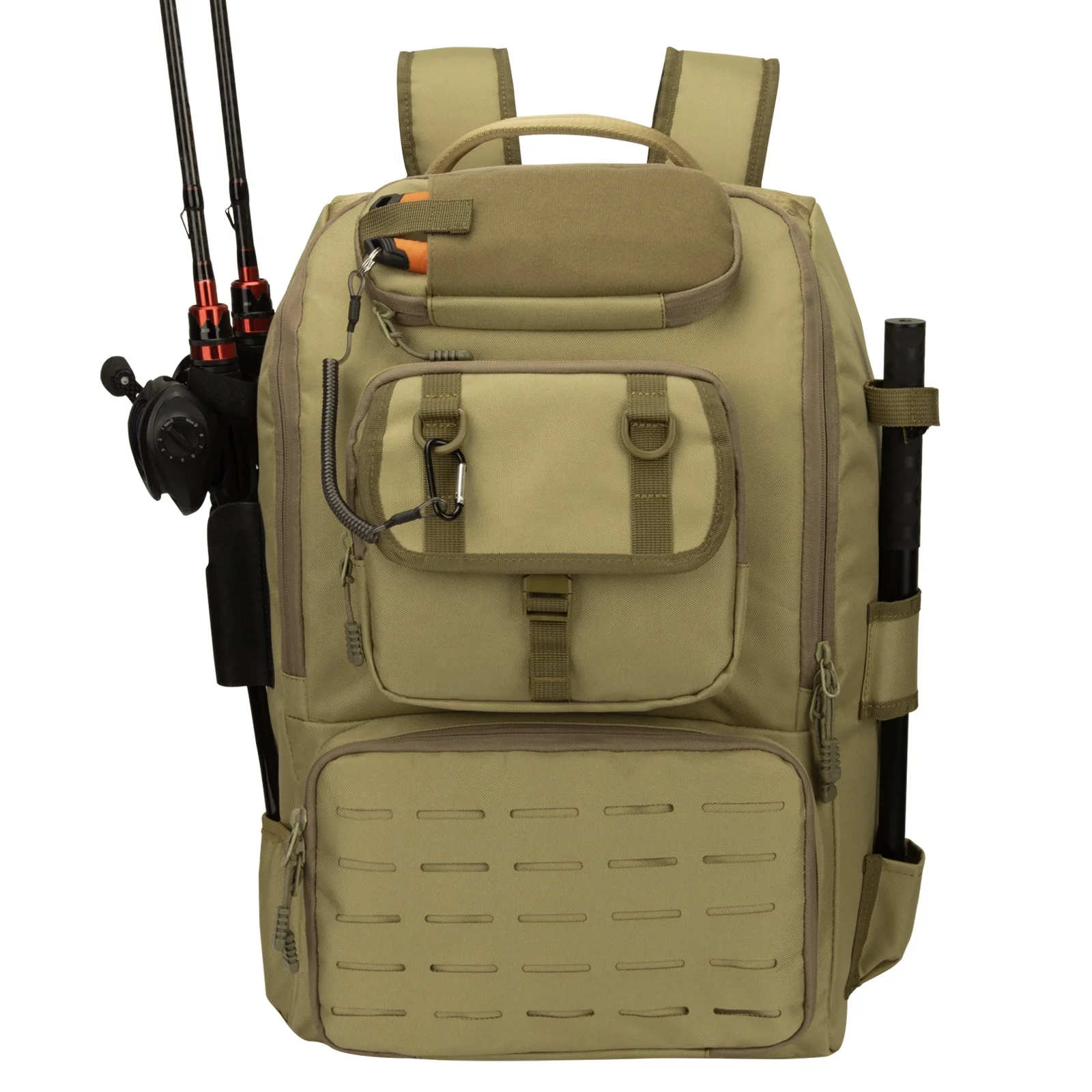
Understanding why weight distribution matters in your hiking travel backpack selection goes beyond basic comfort considerations. It directly impacts your body mechanics, energy efficiency, and overall hiking performance, making it one of the most critical factors for serious outdoor enthusiasts and casual hikers alike.
The Science Behind Load Distribution in Hiking Travel Backpack Design
Center of Gravity and Human Biomechanics
The human spine naturally maintains an S-curve that distributes body weight efficiently when standing upright. When you add a hiking travel backpack to this system, the load must align with your natural center of gravity to prevent compensatory postures that lead to discomfort and injury. Proper weight distribution keeps the load close to your back and positions heavier items near your shoulder blade level.
Research in biomechanics shows that when weight shifts away from the body's centerline, your muscles must work exponentially harder to maintain balance and posture. A well-designed hiking travel backpack with strategic weight distribution reduces this muscular effort by up to forty percent compared to poorly loaded packs.
The key lies in understanding how different placement zones affect your body's mechanical advantage. Items placed too high create a top-heavy sensation that pulls you backward, while items positioned too low create a pendulum effect that increases energy expenditure with each step.
Load Transfer Mechanisms
Modern hiking travel backpack systems utilize sophisticated load transfer mechanisms that channel weight from your shoulders to your stronger hip and leg muscles. This transfer occurs through the hip belt, which should carry sixty to eighty percent of the total pack weight when properly adjusted.
The load lifter straps work in conjunction with the hip belt to fine-tune weight distribution, pulling the pack's center of gravity closer to your back. When these components function together effectively, your hiking travel backpack feels integrated with your body rather than fighting against your natural movement patterns.
Understanding these mechanisms helps explain why identical loads can feel dramatically different depending on how they're distributed within the pack compartments and how the pack itself is adjusted to your torso dimensions.
Physical Impact of Poor Weight Distribution
Musculoskeletal Stress and Injury Prevention
Improper weight distribution in your hiking travel backpack creates uneven stress patterns throughout your musculoskeletal system. When weight concentrates on your shoulders, the trapezius muscles become overloaded, leading to tension headaches and neck pain that can persist long after your hike ends.
The lower back bears particular vulnerability to poor distribution patterns. When a hiking travel backpack pulls your center of gravity backward or sideways, your erector spinae muscles must contract continuously to maintain upright posture, often resulting in muscle fatigue and potential injury during longer expeditions.
Forward-leaning postures caused by top-heavy loads compress the thoracic spine and restrict breathing efficiency. This compromised breathing pattern reduces oxygen delivery to working muscles, creating a cascading effect that diminishes overall hiking performance and endurance capacity.
Balance and Stability Challenges
Trail conditions demand constant balance adjustments, from navigating loose rocks to crossing streams. A hiking travel backpack with poor weight distribution amplifies these challenges by creating unpredictable load shifts that can throw you off balance at critical moments.
Side-to-side weight imbalances force your body to compensate with asymmetrical muscle activation patterns. Over time, these compensations can lead to muscle imbalances and joint dysfunction that extend far beyond your hiking activities into daily life.
Dynamic stability becomes particularly crucial during descents and technical terrain navigation. A well-balanced hiking travel backpack moves predictably with your body, while poor distribution creates momentum that works against your intended movements and increases fall risk.
Performance and Efficiency Implications
Energy Expenditure and Endurance
Metabolic efficiency directly correlates with how effectively your hiking travel backpack distributes load across your body's strongest muscle groups. When weight distribution optimizes natural movement patterns, you expend significantly less energy maintaining posture and balance throughout your hike.
Studies measuring oxygen consumption during loaded hiking demonstrate that proper weight distribution can reduce energy expenditure by fifteen to twenty percent compared to poorly distributed loads of identical weight. This efficiency gain translates directly into increased hiking range and reduced fatigue accumulation.
The cardiovascular system also benefits from proper distribution. When your hiking travel backpack allows natural breathing mechanics and posture, your heart doesn't need to work as hard to circulate blood to compressed or strained muscle groups, improving overall exercise tolerance.
Movement Quality and Gait Efficiency
Natural gait patterns depend on smooth weight transfer from one leg to the other during each step cycle. Poor weight distribution in your hiking travel backpack disrupts this transfer, forcing compensatory movement patterns that reduce efficiency and increase fatigue.
Stride length and cadence naturally optimize when your pack load moves harmoniously with your body. Excessive pack movement or poorly positioned weight creates timing disruptions that force shorter, less efficient steps and increased ground contact time.
Joint mobility throughout your kinetic chain depends on balanced loading. A properly distributed hiking travel backpack preserves normal range of motion in your ankles, knees, hips, and spine, allowing fluid movement adaptation to changing terrain conditions.
Practical Weight Distribution Strategies
Strategic Packing Methodology
Effective weight distribution begins with understanding the priority zones within your hiking travel backpack. The core zone, located between your shoulder blades and mid-back level, should house your heaviest items like water reserves, cooking equipment, and dense food supplies.
Medium-weight items find optimal placement in the middle sections of your pack, while lighter, bulky items like sleeping bags and extra clothing belong in the bottom compartment. This strategy keeps the load center close to your natural pivot point and prevents the pack from pulling you backward.
The top and outer pockets of your hiking travel backpack should contain only frequently accessed, lightweight items. Placing heavy items in these locations creates leverage that amplifies their effective weight and destabilizes your movement patterns.
Adjustment and Customization Techniques
Proper adjustment of your hiking travel backpack suspension system ensures that theoretical weight distribution translates into practical comfort and performance. The hip belt should sit on your iliac crest, not your waist, to transfer load to your skeletal system rather than soft tissue.
Load lifter angles require precise adjustment to optimize weight transfer. These straps should pull from the pack toward your shoulders at approximately a forty-five-degree angle when properly set. Incorrect angles either fail to transfer weight effectively or create pressure points that cause discomfort.
Individual torso length variations mean that one-size-fits-all approaches rarely achieve optimal weight distribution. Many quality hiking travel backpack models offer adjustable torso lengths or multiple sizes to ensure the load distribution system aligns with your specific body proportions.
FAQ
How does improper weight distribution affect hiking safety?
Improper weight distribution in a hiking travel backpack significantly increases accident risk by compromising balance and stability on trails. Poor distribution can cause unexpected falls when crossing streams, navigating steep terrain, or dealing with loose rocks, as the pack's weight shifts unpredictably and pulls you off balance during critical moments.
What percentage of pack weight should the hip belt carry?
A properly fitted hiking travel backpack hip belt should carry between sixty and eighty percent of the total pack weight. This distribution transfers load from your weaker shoulder and back muscles to your stronger hip and leg muscles, reducing fatigue and preventing upper body strain during extended hiking periods.
Can poor weight distribution cause long-term health problems?
Yes, consistently using a hiking travel backpack with poor weight distribution can lead to chronic musculoskeletal issues including postural problems, muscle imbalances, and joint dysfunction. Repeated exposure to improper loading patterns may cause lasting changes in movement patterns and contribute to chronic pain conditions affecting the neck, shoulders, and lower back.
How often should I adjust pack distribution during a hike?
Weight distribution in your hiking travel backpack should be reassessed whenever you consume significant amounts of water or food, add or remove layers, or experience discomfort. Most hikers benefit from minor adjustment checks every hour during longer hikes, with more thorough redistribution needed when pack contents change substantially throughout the day.