 EN
EN


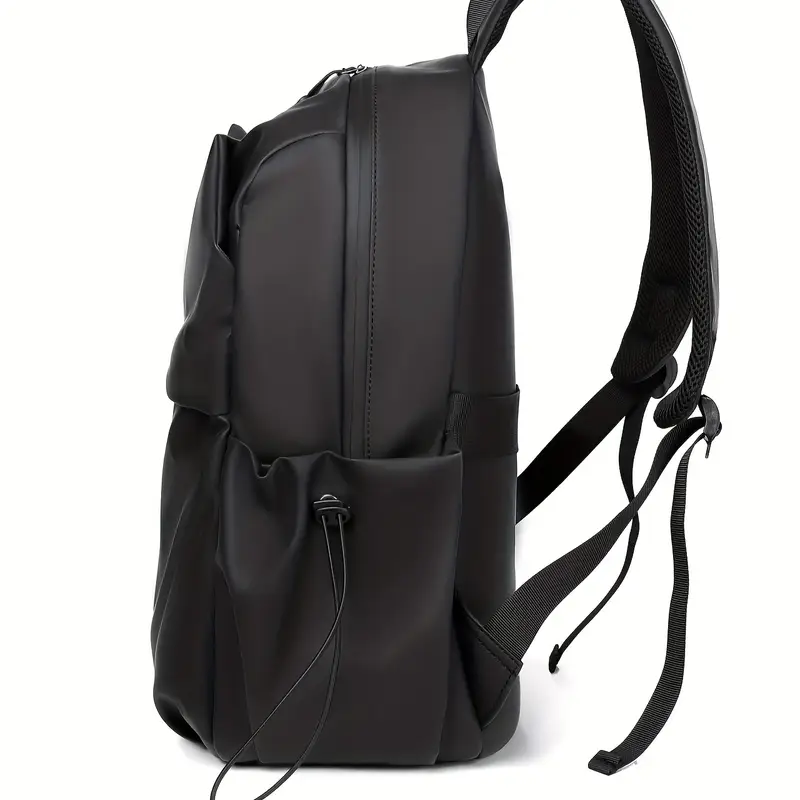
Traveling to homestays requires a unique approach to packing, where the backpack must serve as both a practical luggage solution and a comfortable companion throughout extended journeys. The challenge lies in selecting a homestay travel backpack that can carry sufficient gear for multi-day stays while maintaining ergonomic support during transit. Unlike hotel travel where luggage can remain stationary, homestay adventures often involve navigating uneven terrain, climbing stairs to guesthouses, and moving through crowded transportation hubs with your pack on your back. The balance between comfort and load capacity becomes critical when your backpack must hold clothing, toiletries, electronics, and cultural exchange gifts without causing physical strain or limiting mobility.
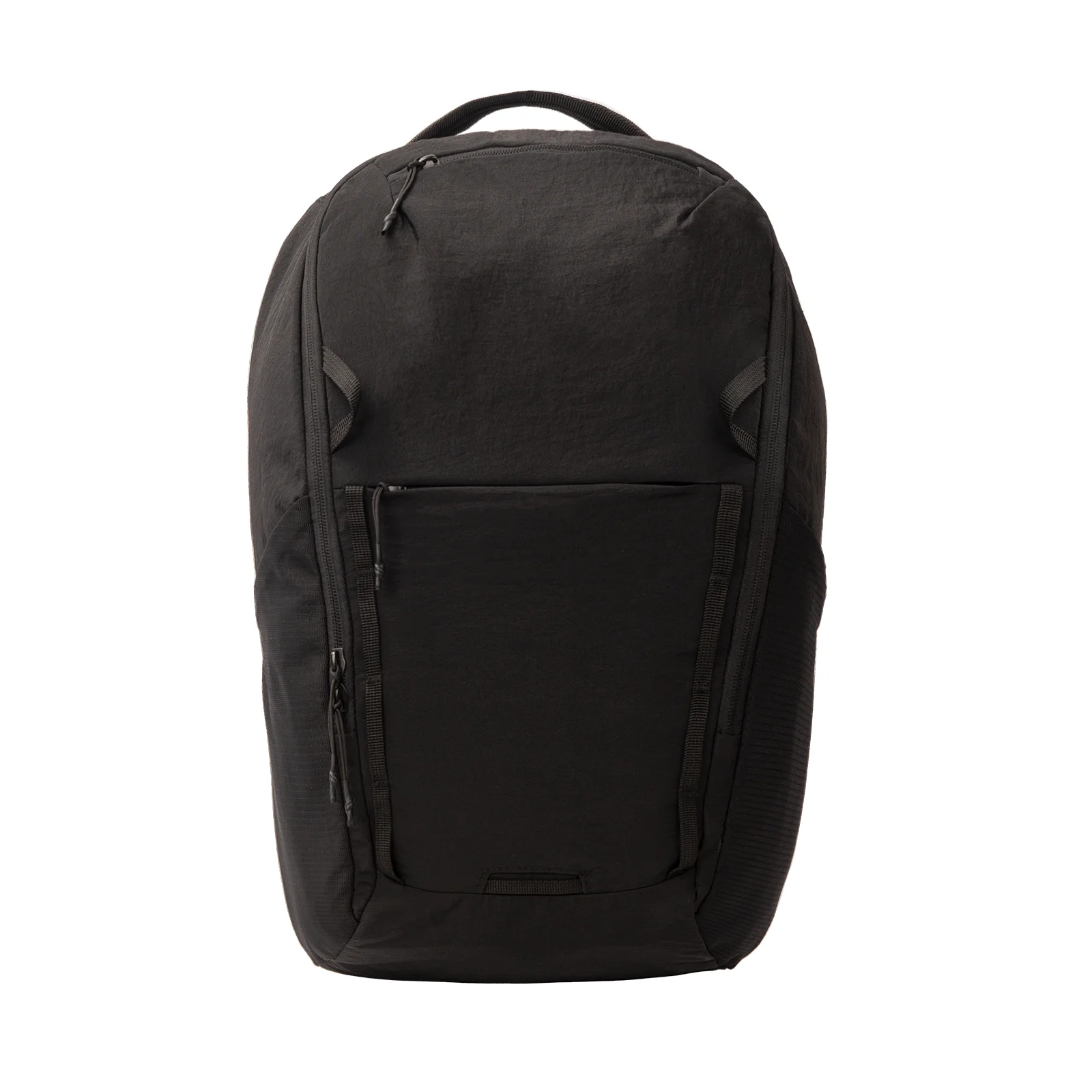
Modern homestay travel backpack designs incorporate biomechanical principles and material science innovations to address this dual requirement. Manufacturers now engineer these bags with load distribution systems that transfer weight from shoulders to hips, ventilated back panels that reduce heat buildup during carry, and expandable compartments that adapt to varying packing needs. Understanding how these elements work together helps travelers make informed decisions about which backpack specifications genuinely support comfortable extended wear while maximizing usable storage volume. This article explores the engineering principles, design features, and practical considerations that enable quality homestay travel backpacks to achieve optimal equilibrium between carrying comfort and load capacity.
Core Engineering Principles Behind Comfort and Capacity Balance
Load Transfer Architecture in Backpack Design
The fundamental mechanism that allows a homestay travel backpack to balance comfort with capacity involves sophisticated load transfer architecture. Quality backpacks utilize an internal frame system or structured back panel that creates a rigid structure extending from shoulders to hip belt. This framework redirects the majority of weight from shoulder straps onto the hip belt, where the body's stronger pelvic girdle can support heavier loads more efficiently. When properly adjusted, approximately sixty to seventy percent of pack weight rests on the hips rather than the shoulders, dramatically reducing muscle fatigue and spinal compression during extended carry periods.
The geometry of this load transfer system determines how effectively weight distributes across the body. Backpacks designed for homestay travel typically feature a torso length adjustment mechanism that positions the hip belt at the natural waist location while maintaining proper shoulder strap angle. This customization ensures the load path follows the body's natural skeletal structure regardless of individual height variations. The shoulder straps themselves attach at a point that creates a slight forward angle, pulling the pack close to the body's center of gravity rather than allowing it to sway backward and create leverage that increases perceived weight.
Modern homestay travel backpack construction incorporates tension adjustment points that fine-tune load distribution throughout the carry system. Load lifter straps connecting the upper shoulder strap attachment to the pack body pull the top of the bag toward the shoulders, preventing the pack from tilting backward. Sternum straps stabilize the shoulder straps and prevent them from sliding outward during movement. These adjustment systems work synergistically to maintain optimal weight positioning even as pack contents shift during travel, ensuring consistent comfort whether navigating airport terminals or hiking to remote homestay locations.
Material Selection for Strength Without Excess Weight
Achieving high load capacity without sacrificing comfort requires strategic material selection that maximizes strength-to-weight ratios. Contemporary homestay travel backpacks employ high-tenacity nylon fabrics in denier ratings between 420D and 840D, providing exceptional tear resistance and abrasion durability while maintaining relatively light base weights. These technical textiles often feature ripstop weave patterns that prevent small punctures from spreading into larger tears, essential for backpacks that may encounter rough surfaces in diverse homestay environments. The fabric weight contributes significantly to the empty pack weight, so manufacturers carefully balance durability requirements against the weight penalty that heavier fabrics impose.
The base and high-wear zones of quality homestay travel backpacks typically utilize heavier denier fabrics or reinforcement layers to withstand the concentrated stress these areas experience. The bottom panel endures repeated contact with floors, vehicle compartments, and outdoor surfaces, necessitating robust material that resists puncture and abrasion. Shoulder strap anchor points and compression strap attachment locations experience high tensile loads, often incorporating bartack stitching patterns and reinforcement webbing to distribute stress across larger surface areas. This strategic reinforcement approach concentrates material weight only where structural demands justify it, avoiding uniform heavy-duty construction that would unnecessarily increase overall pack weight.
Advanced waterproof coatings and laminate technologies further enhance the functionality of a homestay travel backpack without adding substantial weight. Durable water repellent treatments cause moisture to bead and roll off fabric surfaces, protecting pack contents during brief rain exposure. For enhanced weather protection, some designs incorporate waterproof liners or use coated fabrics that create impermeable barriers against sustained precipitation. These protective features prove particularly valuable during homestay travel where accommodations may lack covered storage areas and weather conditions can change rapidly. The key engineering challenge involves implementing weather resistance without creating stiff, heavy fabrics that compromise pack flexibility and increase overall weight.
Volume Optimization Through Compartment Architecture
Efficient internal organization distinguishes homestay travel backpacks that successfully balance capacity with comfort from those that simply offer large undifferentiated storage spaces. Multi-compartment designs segment the main pack volume into zones optimized for different item categories, preventing gear from shifting during transit and creating pressure points against the back panel. A typical configuration includes a large main compartment for clothing and bulky items, a separate bottom compartment for shoes or dirty laundry, a laptop sleeve positioned against the back panel for protection and optimal weight placement, and numerous smaller pockets for travel documents, electronics, and quick-access items.
This compartmentalization serves both organizational and biomechanical purposes within a homestay travel backpack design. Placing heavier items like laptops and books in compartments closest to the back panel keeps weight near the body's center of gravity, reducing the leverage effect that increases perceived load. Lighter items stored in exterior pockets and the pack's outer regions have minimal impact on carrying comfort despite being farther from the body's centerline. Strategic pocket placement also affects accessibility during travel, with side pockets positioned for water bottle reach while wearing the pack and top pockets providing quick access to items needed during transit without requiring full pack removal.
Compression systems integrated throughout the homestay travel backpack enable users to adjust total volume based on current packing levels. External compression straps cinch the pack body inward when partially full, preventing contents from shifting and maintaining a compact profile that improves balance during carry. Internal compression panels or straps secure items within the main compartment, particularly valuable when packing levels vary throughout a trip. Some designs incorporate expandable sections that increase total volume by several liters when needed for souvenirs or additional gear, then compress back to standard size for everyday use. This adaptability ensures the pack maintains optimal carrying characteristics across varying load conditions rather than functioning well only when fully packed.
Ergonomic Features That Enable Extended Comfortable Carry
Back Panel Ventilation and Contact Surface Design
The interface between a homestay travel backpack and the wearer's back significantly impacts comfort during extended carry periods, particularly in warm climates common to many homestay destinations. Traditional backpack designs create a solid contact surface that traps heat and moisture against the back, leading to discomfort and potentially heat-related issues during prolonged use. Modern ventilated back panel systems address this limitation through suspended mesh designs or channeled foam structures that create airflow space between the pack and the wearer's back. These ventilation systems reduce contact area while maintaining sufficient support surface for effective load distribution.
Tensioned mesh back panels represent one approach to combining ventilation with structural support in homestay travel backpacks. This design suspends a curved mesh panel between the pack body and a lightweight frame, creating a gap of fifteen to thirty millimeters that allows air circulation. The mesh contacts the back at specific load-bearing points while minimizing total contact surface area. This architecture effectively manages the trade-off between ventilation and load transfer efficiency, though it typically adds some weight and complexity compared to simpler foam panel designs. The performance advantage becomes most apparent during warm-weather travel or when moving with the pack for extended periods between transportation connections.
Alternative ventilation approaches incorporate channeled foam or molded EVA panels that create vertical airflow passages while maintaining broader back contact for load distribution. These designs offer a middle ground between fully suspended mesh systems and solid foam panels, providing improved ventilation without the weight penalty or reduced load stability of mesh suspension systems. The choice between ventilation architectures in a homestay travel backpack depends on anticipated climate conditions, typical carry durations, and individual heat sensitivity. For homestay travel involving frequent pack-on periods between destinations, ventilation systems significantly enhance comfort and reduce fatigue compared to traditional solid back panel designs.
Adjustable Harness Systems for Individual Fit
Proper fit fundamentally determines whether a homestay travel backpack can deliver comfortable carry at substantial loads, making adjustment features essential rather than optional. The primary fit parameter involves torso length, the distance from the top of the hip bones to the prominent vertebra at the base of the neck. Quality backpacks designed for extended travel incorporate torso length adjustment mechanisms that reposition the shoulder strap attachment points relative to the hip belt, accommodating torso lengths typically ranging from forty to fifty-five centimeters. This adjustment ensures the hip belt sits at the natural waist location where it can effectively support load, while shoulder straps attach at the correct height to maintain proper weight distribution ratios.
Beyond torso length adjustment, effective homestay travel backpack designs include multiple harness refinement points that customize fit to individual body proportions. Hip belt size typically adjusts through sliding buckle systems or interchangeable belt sections, accommodating waist circumferences from approximately sixty to one hundred thirty centimeters across various body types. Shoulder strap spacing adjustment allows the straps to align with individual shoulder width, preventing the straps from sliding off narrow shoulders or creating uncomfortable pressure on wider frames. Some advanced designs incorporate adjustable sternum strap height, enabling users to position this stabilizing element at the most comfortable chest location rather than accepting a fixed position.
The padding geometry and material selection in shoulder straps and hip belts directly affects comfort when carrying heavier loads in a homestay travel backpack. High-quality designs employ dual-density foam construction with firmer foam closest to the body for support and softer foam at the outer layer for comfort against skin and clothing. The padding width distributes strap tension across broader surface areas, reducing pressure per unit area and minimizing the perception of load concentration. Contoured padding shapes conform to natural body curves rather than creating straight edges that concentrate pressure at specific points. These refinements become increasingly important as pack weight increases, with poorly designed padding causing discomfort or pain at loads well below the pack's structural capacity.
Load Stabilization During Dynamic Movement
A homestay travel backpack must maintain stability and comfort not only during static standing but throughout the dynamic movements inherent in travel. Walking, climbing stairs, boarding vehicles, and navigating crowded spaces create momentum changes that can cause an improperly stabilized pack to shift or sway, increasing perceived weight and creating balance challenges. Effective stabilization systems use compression straps, adjustment points, and structural elements to minimize pack movement independent of body motion while allowing natural torso flexibility. This stability reduces energy expenditure during carry and prevents the pack from pulling the wearer off balance during sudden movements.
External compression straps positioned on the pack's sides pull the load inward toward the body's centerline, reducing the leverage effect created by weight positioned away from the spine. Most homestay travel backpacks incorporate at least two pairs of these compression straps, with additional straps on larger capacity models. When properly tightened, these straps also prevent internal contents from shifting during movement, maintaining consistent weight distribution rather than allowing heavy items to slide to the pack's bottom or sides. Some designs include diagonal compression options that provide alternative cinching angles for oddly shaped loads or partially filled packs.
The hip belt design contributes significantly to dynamic stability in quality homestay travel backpack construction. Padded hip belts that wrap around the hips rather than simply resting on them create a secure anchor point that moves with the pelvis during walking. This design prevents the pack from bouncing vertically with each step, a motion that increases fatigue and creates the perception of heavier weight. Hip belt pockets, while useful for storing small items, also serve a biomechanical function by encouraging users to properly tighten the belt for secure pocket access. The sternum strap similarly locks the shoulder straps in optimal position, preventing them from sliding laterally during movement and maintaining consistent weight distribution across both shoulders regardless of body motion.
Practical Capacity Considerations for Homestay Travel
Optimal Volume Range for Multi-Day Homestay Trips
Determining appropriate capacity for a homestay travel backpack requires balancing the desire to pack comprehensively against the reality that larger volumes tempt overpacking and heavier loads that compromise comfort. For typical homestay trips lasting one to three weeks, backpacks in the forty to fifty-five liter range provide sufficient capacity for clothing, toiletries, electronics, and travel essentials without encouraging excessive load. This volume range accommodates seasonal clothing variations, with lighter warm-weather wardrobes requiring less space than bulkier cold-weather gear. The specific capacity choice within this range depends on individual packing habits, clothing preferences, and whether access to laundry facilities during the trip allows wardrobe rotation with fewer total garments.
Larger homestay travel backpack volumes between fifty-five and seventy liters suit travelers carrying specialized equipment, those visiting destinations with extreme weather requiring bulky clothing, or individuals uncomfortable with minimalist packing approaches. However, increased capacity directly correlates with temptation to fill available space, often resulting in loads exceeding comfortable carry thresholds. A partially filled sixty-liter pack typically weighs more than a fully optimized forty-five liter pack due to the additional material weight and tendency to include non-essential items. The engineering challenge involves providing sufficient volume for reasonable needs without creating excessive empty space that encourages inefficient packing practices.
Conversely, homestay travel backpacks below forty liters generally prove too restrictive for trips exceeding several days unless travelers adopt highly disciplined minimalist packing strategies. These smaller volumes work well for weekend trips or as secondary bags for day excursions from a homestay base, but struggle to accommodate the clothing variety and travel essentials needed for extended stays. The optimal capacity balances realistic packing requirements against the biomechanical reality that comfort degrades significantly as pack weight exceeds approximately fifteen to twenty percent of body weight. Selecting appropriate volume prevents the common scenario where a comfortable empty backpack becomes uncomfortable when filled to capacity due to excessive total load.
Weight Distribution Strategies for Maximum Capacity Utilization
Effective packing technique significantly influences whether a homestay travel backpack delivers comfortable carry at higher loads, with proper weight distribution often mattering more than absolute weight. The fundamental principle involves positioning heavier items close to the back panel in the upper half of the main compartment, approximately between shoulder blade height and the top of the pack. This placement keeps dense items near the body's center of gravity, minimizing the leverage effect that makes loads feel heavier. Common heavy items like laptops, books, and toiletry kits belong in this optimal weight zone, while lighter clothing and soft items fill the pack's outer regions and lower compartment.
A properly loaded homestay travel backpack maintains relatively even weight distribution between left and right sides, preventing the pack from listing to one side during carry. Asymmetric loading creates uncomfortable pressure on one shoulder and forces compensatory posture adjustments that increase fatigue over time. When packing items of significantly different weights, positioning them symmetrically or using compression straps to secure loads toward the centerline maintains balance. Side pockets should carry relatively light items or balanced pairs like water bottles on both sides, avoiding the temptation to load one side heavily with shoes or equipment while leaving the opposite side empty.
The bottom compartment of most homestay travel backpacks, when present, serves best for lighter bulky items rather than heavy gear despite its convenient access. Loading heavy items at the pack's base lowers the overall center of gravity, which might seem beneficial but actually increases the sensation of weight pulling downward and backward. This lower weight placement forces the hip belt and shoulder straps to work harder to keep the pack positioned correctly. Items suited for bottom compartment storage include sleeping bags, lightweight jackets, and dirty laundry, all of which take up significant volume without adding substantial weight. This strategic packing approach enables maximum capacity utilization while maintaining the weight distribution that the backpack's suspension system was engineered to handle comfortably.
Expandability Features and Their Impact on Comfort
Many modern homestay travel backpack designs incorporate expansion capabilities that increase volume by ten to twenty percent when additional capacity becomes necessary. These systems typically use zippered panels that extend the main compartment's depth, roll-top closures that allow height adjustment, or external compression straps that can secure additional gear outside the primary compartments. Expandability provides valuable flexibility during trips where packing needs change, such as when acquiring souvenirs or adjusting for unexpected weather conditions. However, the comfort implications of using expansion features deserve careful consideration, as the ergonomic optimization of the base design may degrade when operating in expanded configuration.
Expanding a homestay travel backpack beyond its primary volume typically moves the center of gravity away from the body as additional contents extend the pack's depth. This increased distance between load and spine creates leverage that makes the pack feel heavier and pulls the wearer backward, requiring compensatory forward lean to maintain balance. The suspension system dimensions remain unchanged in expanded mode, meaning the hip belt and shoulder straps must manage increased load with the same contact surface area, potentially creating pressure points that weren't present at standard volume. For these reasons, expansion features work best for temporarily accommodating variable loads rather than as a strategy to consistently carry maximum capacity throughout a trip.
The structural integrity of expansion systems varies considerably across homestay travel backpack designs, affecting both durability and comfort in expanded configuration. Higher-quality implementations incorporate reinforced expansion panels with dedicated frame support or compression systems that maintain load stability when extended. Lower-quality designs may use simple fabric extensions without adequate structural support, resulting in a floppy, unstable pack body when expanded that compromises comfort during carry. When evaluating expansion features, consider whether the expanded configuration maintains the back panel geometry and suspension system alignment that enable comfortable carry, or whether expansion fundamentally alters the pack's biomechanical characteristics in ways that reduce comfort despite increased capacity.
Material and Construction Quality Impact on Long-Term Performance
Durability Standards for Extended Travel Use
The balance between comfort and capacity in a homestay travel backpack remains meaningful only if the bag maintains structural integrity throughout extended use. Durability requirements for travel backpacks exceed those of casual daypacks due to the demanding conditions these bags encounter during homestay travel. Repeated packing and unpacking, exposure to various weather conditions, contact with rough surfaces during transit, and sustained load-bearing all test material and construction quality. High-quality homestay travel backpacks utilize reinforced stitching at stress points, with bartack patterns or cross-box stitching providing redundant strength at zipper ends, strap attachment locations, and compression buckle anchor points.
The zipper systems represent critical durability components that directly affect both capacity access and long-term reliability in homestay travel backpacks. Quality designs employ coil zippers rather than tooth-style zippers for main compartments, as coil designs better withstand the sustained tension created by packed contents and offer superior resistance to dirt and debris that can cause zipper failure. Zipper gauge typically ranges from number eight to number ten for main compartments, with smaller gauges used for accessory pockets. Double zipper sliders on main compartments provide access flexibility and create redundancy if one slider fails during travel. The zipper tape width and fabric reinforcement around zipper installations determine whether the zipper system maintains proper alignment under sustained load or gradually degrades through use.
Hardware quality including buckles, adjustment sliders, and anchor points directly impacts the functional longevity of a homestay travel backpack suspension system. Quality designs use injection-molded polymer buckles with reinforced stress points or metal hardware at locations experiencing the highest loads. The hip belt buckle particularly requires robust construction as it manages significant tension when properly adjusted for load transfer. Webbing used throughout the harness system should resist fraying and maintain dimensional stability when wet, with cut ends heat-sealed or bar-tacked to prevent unraveling. These construction details may not be immediately apparent during initial evaluation but determine whether the pack maintains its comfort and capacity characteristics after months of regular travel use or degrades to the point where carrying moderate loads becomes uncomfortable.
Weather Resistance and Content Protection
Protecting pack contents from weather exposure serves as both a practical necessity and a comfort consideration for homestay travel backpacks. Wet clothing and gear add substantial weight beyond their dry mass, potentially pushing total pack load beyond comfortable carry thresholds. Additionally, electronic devices, travel documents, and other moisture-sensitive items require protection from rain, humidity, and incidental liquid exposure during transit. The level of weather protection varies significantly across backpack designs, from basic water-resistant fabrics to fully waterproof construction, with each approach involving trade-offs between protection level, material weight, and cost.
Entry-level weather protection in homestay travel backpacks typically involves durable water repellent coatings applied to fabric surfaces. These treatments cause water to bead and roll off rather than saturating the fabric, providing protection during brief rain exposure or light precipitation. However, DWR coatings wear gradually with use and require periodic reapplication to maintain effectiveness. This protection level suits travelers visiting destinations with minimal rain likelihood or those who primarily use covered transportation, but proves inadequate for sustained precipitation or humid storage conditions. The minimal weight penalty of DWR treatments makes them nearly universal across quality backpack designs regardless of other weatherproofing features.
Enhanced weather protection in homestay travel backpack construction involves waterproof fabric coatings, sealed seams, and water-resistant zipper systems that create more comprehensive barriers against moisture intrusion. Some designs incorporate internal waterproof liners that create a protective envelope within the pack body, isolating contents from external moisture while allowing the outer fabric to remain breathable. Alternative approaches use inherently waterproof fabrics with sealed seam construction, creating packs that can withstand sustained heavy rain without internal moisture penetration. These protection levels add weight and cost compared to basic DWR treatments but prove valuable for travel to tropical climates or destinations with unpredictable weather. Many travelers supplement backpack weather resistance with internal dry bags or pack covers, creating redundant protection systems that guard against both rain exposure and the humidity present in many homestay accommodations.
Repairability and Maintenance Considerations
The long-term balance between comfort and capacity in a homestay travel backpack depends partly on the bag's maintainability and ease of field repair when minor issues arise during travel. Backpack designs using standard hardware components, accessible stitching, and common fastener systems enable repairs using readily available replacement parts rather than requiring proprietary components or specialized tools. This serviceability consideration becomes particularly relevant for travelers undertaking extended homestay journeys where pack failure far from home creates significant complications. Quality manufacturers often provide replacement buckles, zipper sliders, and hardware through their websites, while standard components can be sourced from outdoor equipment retailers worldwide.
Common repair scenarios for homestay travel backpacks include zipper slider replacement, strap reattachment, buckle breakage, and fabric tears. The design choices manufacturers make significantly affect whether these issues can be addressed with basic sewing skills and simple tools versus requiring professional repair services. Exposed stitching allows inspection for wear and enables re-stitching if threads begin failing. Modular strap attachment systems using removable hardware facilitate replacement without requiring disassembly of the entire suspension system. Fabric selection impacts repairability, with ripstop nylon resisting tear propagation and accepting patch repairs more effectively than non-ripstop materials.
Regular maintenance extends the functional life of a homestay travel backpack and preserves its comfort and capacity characteristics. Simple practices include periodically cleaning the pack with mild soap and water to remove dirt that accelerates fabric wear, re-applying DWR treatments when water no longer beads on fabric surfaces, and inspecting stitching at stress points for early signs of failure. Zipper maintenance involves occasionally cleaning teeth or coils and applying zipper lubricant to maintain smooth operation. Buckle inspection identifies cracks or deformation before complete failure occurs. These maintenance activities require minimal time and investment but significantly extend pack service life, ensuring the comfort-capacity balance engineered into the original design persists throughout years of homestay travel use rather than degrading after a single season.
FAQ
What weight limit should I follow when packing a homestay travel backpack for optimal comfort?
Most comfort recommendations suggest limiting packed weight to fifteen to twenty percent of your body weight for extended carry periods. A seventy-kilogram individual should target a maximum pack weight of ten to fourteen kilograms including the backpack itself. Exceeding this threshold typically results in discomfort, fatigue, and potential strain injury regardless of pack quality. The suspension system in quality homestay travel backpacks can structurally support higher loads, but biomechanical comfort limits rather than material strength constraints determine practical weight ceilings. Travelers can carry heavier loads for short distances, but sustained carry throughout travel days requires adherence to these percentage guidelines.
How do I determine the correct torso length for my homestay travel backpack?
Measure your torso length by locating the prominent vertebra at the base of your neck when tilting your head forward, then measuring downward to the height of your hip bones at the natural waistline. This measurement typically ranges from forty to fifty-five centimeters for most adults. When trying backpacks, the hip belt should rest on your hip bones rather than your waist, and shoulder straps should attach to the pack body at a point approximately level with or slightly above your shoulders. Many homestay travel backpacks offer adjustable torso length ranges, allowing one pack size to fit multiple measurements. Proper torso fit is essential for effective weight transfer from shoulders to hips, making this measurement more critical than general size categories.
Can I use compression packing cubes to increase the effective capacity of my homestay travel backpack?
Compression packing cubes enable more efficient space utilization by compacting soft items like clothing into denser packages, effectively increasing how much you can fit in a given volume. However, compression does not reduce weight, and overpacking using compression cubes can result in loads exceeding comfortable carry thresholds. Use compression cubes strategically to organize contents and eliminate wasted air space rather than as a method to pack significantly more items. The organizational benefits often exceed the capacity gains, as cubes create defined zones within the main compartment that prevent contents from shifting during carry. Position compressed clothing cubes in the pack's outer regions while maintaining heavier items near the back panel regardless of cube use.
How does carrying a homestay travel backpack differ from rolling luggage in terms of mobility?
Homestay travel backpacks provide superior mobility across uneven terrain, stairs, crowded spaces, and areas lacking smooth surfaces for rolling luggage. Many homestay accommodations occupy historic buildings or rural locations with cobblestone paths, steep stairs, or unpaved approaches where wheeled luggage becomes cumbersome or impractical. Backpacks also free both hands during transit and navigate crowded public transportation more easily than rolling cases. However, quality rolling luggage reduces physical strain during extended smooth-surface transit through airports or modern train stations. The optimal choice depends on specific travel itinerary characteristics, with homestay-focused trips generally favoring backpack mobility despite the physical effort of carrying weight on your body.
Table of Contents
- Core Engineering Principles Behind Comfort and Capacity Balance
- Ergonomic Features That Enable Extended Comfortable Carry
- Practical Capacity Considerations for Homestay Travel
- Material and Construction Quality Impact on Long-Term Performance
-
FAQ
- What weight limit should I follow when packing a homestay travel backpack for optimal comfort?
- How do I determine the correct torso length for my homestay travel backpack?
- Can I use compression packing cubes to increase the effective capacity of my homestay travel backpack?
- How does carrying a homestay travel backpack differ from rolling luggage in terms of mobility?