 EN
EN


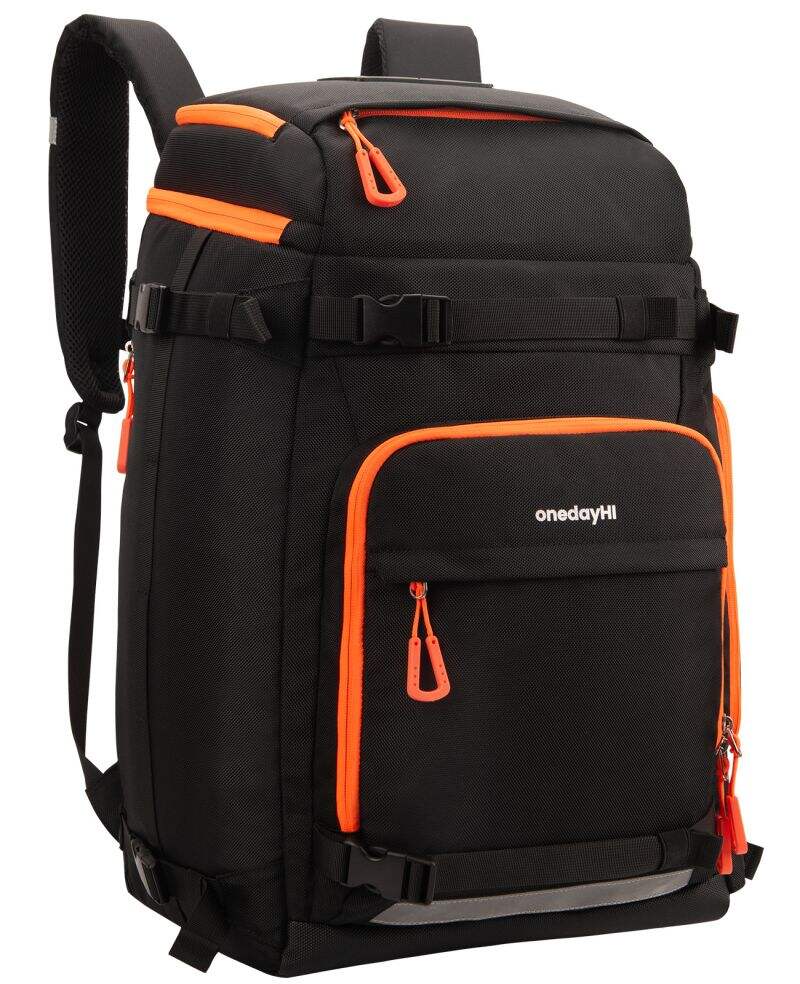
Multi-day mountain skiing adventures demand equipment that balances rugged functionality with intelligent design, and the winter skitrips bag stands as a critical piece of gear that experienced skiers rely on throughout extended backcountry expeditions. Unlike standard travel luggage or day packs, these specialized bags are engineered with mountain-specific features that address the unique challenges of transporting ski gear, personal equipment, and survival essentials across variable terrain and severe weather conditions. Understanding how manufacturers approach the design of a winter skitrips bag reveals the sophisticated engineering principles that transform a simple carrying solution into an essential mountain companion capable of protecting valuable equipment while maintaining accessibility during rapid weather changes or emergency situations.
The design methodology behind a functional winter skitrips bag begins with comprehensive analysis of how skiers interact with their gear during multi-day mountain journeys, examining everything from initial packing sequences at the trailhead to emergency equipment access in whiteout conditions. Designers collaborate with professional ski guides, backcountry patrollers, and expedition skiers to identify pain points that occur during extended trips where multiple gear transitions, avalanche safety equipment checks, and camp setups become daily routines. This user-centered approach ensures that every compartment, strap system, and material choice serves a documented purpose based on real-world mountain scenarios rather than theoretical assumptions, resulting in bag architectures that genuinely enhance the mountain experience rather than simply adding carrying capacity.
Material Engineering and Weather Protection Systems
Advanced Fabric Selection for Mountain Durability
The foundation of any effective winter skitrips bag starts with fabric selection that addresses the triple challenge of abrasion resistance, waterproofing, and weight management. Designers typically specify high-denier nylon fabrics ranging from 420D to 840D for primary construction zones, with these heavier-weight materials positioned at the base panel and high-wear contact points where the bag encounters rocks, ice edges, and chairlift surfaces. These fabrics undergo ripstop weaving processes that create reinforcement grids throughout the material structure, preventing catastrophic tear propagation when sharp ski edges or crampon points accidentally contact the bag exterior. The fabric architecture balances puncture resistance with overall weight targets, recognizing that multi-day mountain adventures require skiers to carry their winter skitrips bag over significant distances where every ounce contributes to cumulative fatigue.
Modern winter skitrips bag construction incorporates technical coatings that provide waterproof protection without creating the stiff, noisy fabric characteristics that reduce usability in cold environments. Manufacturers apply polyurethane or silicone-based coatings to fabric exteriors, achieving waterproof ratings between 3000mm and 10000mm hydrostatic head depending on the intended use severity. Higher-specification designs integrate laminated waterproof membranes between fabric layers, creating completely sealed barriers that prevent moisture infiltration even during prolonged exposure to wet snow conditions or unexpected stream crossings. These membrane systems also provide windproofing benefits that protect gear contents from convective heat loss, particularly important when storing electronics or maintaining dry spare clothing during multi-day expeditions where resupply opportunities don't exist.
Seam Sealing and Construction Integrity
Critical to the weatherproofing performance of any winter skitrips bag is the seam construction methodology that addresses the inherent weak points created wherever fabric panels join together. Premium designs employ fully taped seam construction where thermoplastic urethane tape is heat-sealed over every stitched seam line, creating continuous waterproof barriers that eliminate the moisture wicking that occurs through needle holes in standard sewn construction. This seam sealing process adds manufacturing complexity and cost but proves essential for bags intended for serious mountain use where equipment protection directly relates to safety and comfort. Designers pay particular attention to high-stress junction points where multiple seams converge, often incorporating bartack reinforcement stitching beneath the seam tape to ensure structural integrity survives the repeated loading cycles that occur during multi-day trips.
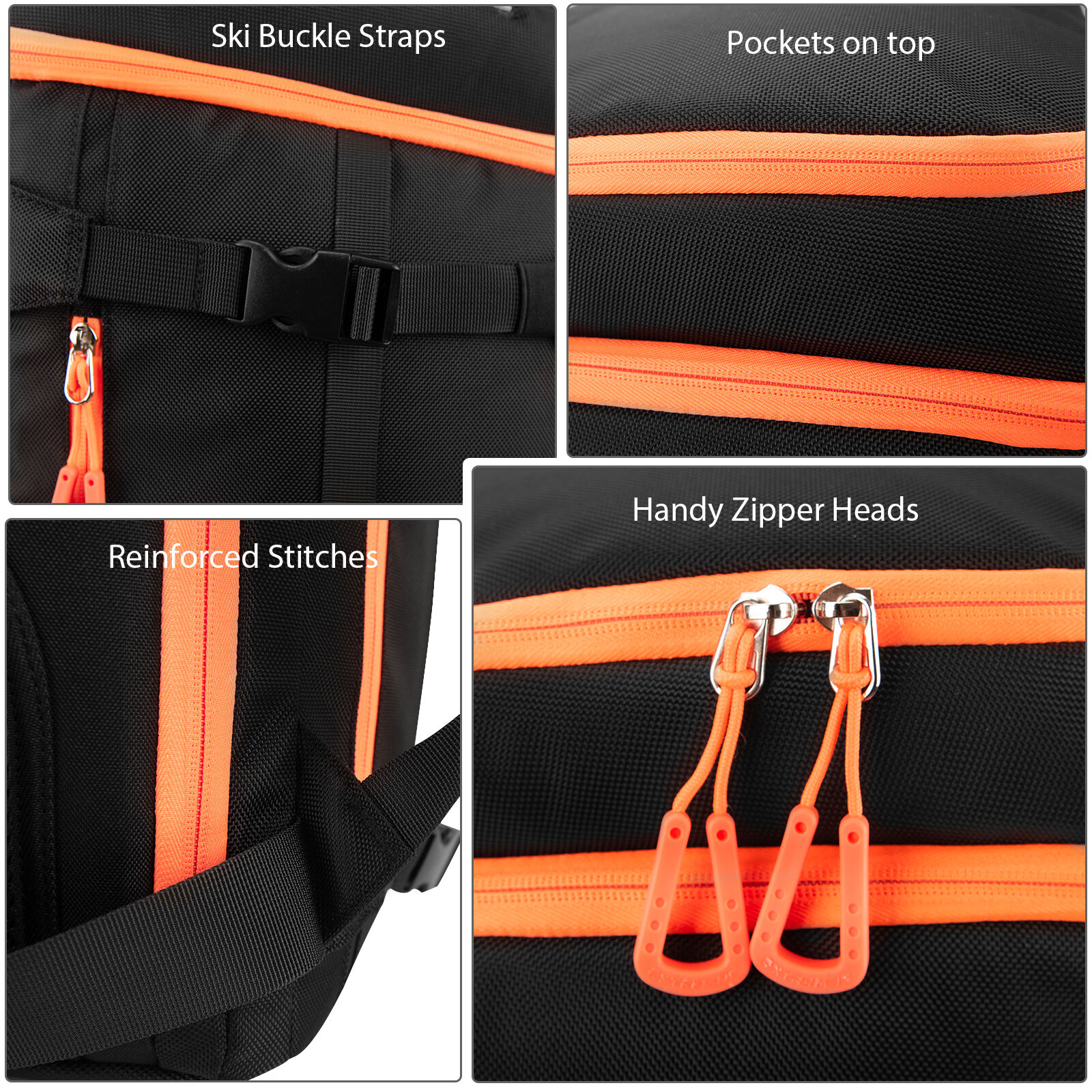
The stitching patterns used throughout a winter skitrips bag reflect engineering decisions about load distribution and failure prevention. Heavy-duty construction utilizes bonded nylon or polyester thread with ultraviolet inhibitors that prevent degradation from high-altitude sun exposure, with thread weights ranging from size 69 to 138 depending on the stress expectations for each seam location. Double-needle and triple-needle stitch patterns appear at critical load-bearing seams where shoulder straps attach to the main body or where ski carrying systems integrate with the bag structure. These redundant stitch lines ensure that single thread failures don't result in catastrophic separation, providing the reliability margins that mountain safety demands during multi-day adventures far from repair facilities.
Compartmentalization Architecture for Mountain Gear Management
Primary Storage Volume Configuration
The internal volume architecture of a winter skitrips bag designed for multi-day use typically ranges from 50 to 80 liters, with this capacity calculated to accommodate the clothing, sleeping systems, food, and personal items required for three to five nights in mountain environments. Designers structure this volume using panel-loading or top-loading access systems, each approach offering distinct advantages for different packing methodologies. Panel-loading designs featuring clamshell-style openings provide complete interior visibility and allow efficient packing reorganization without removing all contents, particularly valuable when establishing or breaking camp in adverse weather. Top-loading configurations with expandable collar systems offer superior weather protection and streamlined exterior profiles that navigate tight spaces in ski lifts or vehicle transport more easily.
The main compartment design in a quality winter skitrips bag incorporates internal organization features that prevent the frustrating gear jumble that occurs when diverse equipment types share undivided space. Mesh divider panels create logical separation zones for clothing layers, allowing skiers to isolate wet outer shells from dry insulation layers or designate specific regions for sleeping bags and camp equipment. Compression straps positioned both internally and externally enable volume reduction when the bag operates at partial capacity, preventing the inefficient load shifting that creates uncomfortable carry dynamics and accelerates fatigue during long approaches. These compression systems also stabilize gear during aggressive skiing or when the bag must be checked as airline baggage, protecting delicate equipment from impact damage through controlled load containment.
Specialized Equipment Compartments and Access Zones
Multi-day mountain adventures require rapid access to critical safety equipment, and winter skitrips bag design addresses this need through dedicated compartment architecture positioned for emergency retrieval. Avalanche safety gear compartments typically occupy the lower rear panel area with external zipper access, sized to accommodate shovels, probes, and beacon systems in organized configurations that enable quick inventory checks without opening the main storage volume. These safety compartments often feature contrasting interior colors—frequently bright orange or yellow—that enhance visibility during high-stress situations when fine motor skills deteriorate and visual discrimination becomes challenging. The compartment positioning places weight low and close to the wearer's back, contributing to stable load geometry that maintains balance during technical skiing.
Ski and snowboard carrying systems represent another critical design element in the winter skitrips bag architecture, with multiple attachment methods addressing different transport scenarios. Diagonal ski carry systems using adjustable straps and ice axe loops allow secure equipment attachment without requiring bag removal, essential when transitioning between ski-accessible terrain and boot-pack sections. A-frame carrying configurations center ski weight above the bag's primary volume, optimizing balance during hiking approaches but requiring sufficient strap adjustment range to accommodate various ski widths from narrow touring models to wider powder designs. Premium designs incorporate protective padding or fabric shields at contact points where ski edges interact with the bag body, preventing the abrasion damage that compromises bag integrity over multiple seasons of heavy use.
Ergonomic Suspension Systems for Extended Mountain Carry
Harness Architecture and Load Transfer Principles
The suspension system engineering in a winter skitrips bag designed for multi-day mountain use applies biomechanical principles that efficiently transfer load from the bag to the wearer's skeletal structure while minimizing soft tissue pressure and maintaining mobility for technical skiing movements. The shoulder harness typically features anatomically curved straps between 50mm and 70mm width, constructed from dual-density foam laminates that provide firm load-bearing characteristics at the core while offering soft comfort padding at skin contact surfaces. These straps integrate load-lifter attachments that angle forward from the upper bag body, creating mechanical advantage that pulls the load center closer to the wearer's spine and reduces the forward-leaning posture that causes lower back fatigue during extended carry periods.
Hip belt systems in serious mountain winter skitrips bag designs function as the primary load-bearing element, engineered to transfer 60-80% of the total bag weight from shoulders to the pelvis where the body's skeletal structure can support loads more efficiently. These belts feature substantial padding widths between 75mm and 120mm, shaped to wrap the iliac crest anatomy and distribute pressure across maximum surface area. Internal stiffening systems using flexible plastic stays or aluminum frames within the belt padding prevent the collapse or rolling that reduces load transfer efficiency, maintaining consistent pressure distribution even when the wearer performs dynamic movements during skiing. Adjustment systems provide sufficient range to accommodate the layer variations that occur between morning starts in insulated jackets and afternoon skiing in lighter shells, ensuring optimal fit across the full range of mountain conditions encountered during multi-day trips.
Back Panel Ventilation and Thermoregulation Features
Extended carry periods during approach hikes or between ski runs generate significant metabolic heat, and winter skitrips bag designers address this thermal challenge through back panel architectures that promote air circulation while maintaining load stability. Tensioned mesh back panels create air gaps between the bag body and the wearer's back, allowing convective cooling and moisture vapor escape that prevents the sweat accumulation that leads to rapid cooling when skiing activity pauses. These suspended mesh systems require careful engineering to balance ventilation benefits against the reduced load control that occurs when the bag stands away from the body, with designers using peripheral contact zones around the panel edges to maintain stability during aggressive movements.
Alternative back panel approaches in winter skitrips bag design utilize channeled foam architectures that provide direct body contact for superior load control while incorporating vertical ventilation grooves that facilitate limited air movement. These contact-style designs prove particularly effective for technical skiing applications where precise load positioning affects balance and edge control, offering the stability required for steep descents or jump landings. The foam materials used in these panels feature open-cell structures that manage moisture through absorption and wicking rather than air gap ventilation, with designers selecting foam densities that maintain structural integrity across the temperature ranges encountered during mountain use from warm spring conditions to extreme cold where some foam formulations become brittle and lose cushioning properties.
Accessory Integration and Modular Expansion Capabilities
Helmet and Goggle Storage Solutions
Multi-day ski adventures require protection and organization for the numerous small accessories that support mountain safety and comfort, and winter skitrips bag design incorporates specialized storage solutions for these items. Helmet carrying systems typically feature external elastic mesh pockets or daisy chain attachment points positioned on the front panel or lid, allowing secure helmet transport without consuming valuable internal volume. These systems must accommodate the size variations between different helmet models while providing sufficient retention force to prevent loss during vigorous activity, often incorporating adjustable shock cord closures that adapt to different equipment profiles. The positioning considers center-of-gravity effects, placing helmet weight in locations that minimize interference with the wearer's head position and visibility during skiing.
Goggle protection receives particular attention in quality winter skitrips bag design because lens damage from scratching or crushing represents both a safety concern and an expensive equipment loss. Dedicated goggle pockets feature soft fleece or microfiber linings that clean lenses while protecting against abrasion, with semi-rigid construction or internal dividers preventing compression damage from external loads. These pockets position in easily accessible locations such as shoulder strap pockets or front panel zones, recognizing that weather conditions change rapidly in mountain environments and quick goggle swaps between clear, low-light, and bright conditions directly affect safety and performance. Some designs integrate multiple goggle storage locations, accommodating the lens variety that serious skiers carry for varying light conditions encountered during multi-day trips.
Hydration System Integration and Cold Weather Adaptations
Maintaining hydration during mountain skiing presents challenges in winter conditions where conventional hydration systems freeze, and winter skitrips bag designers address this through insulated reservoir sleeves and protective tube routing. Internal hydration compartments occupy the back panel region adjacent to the wearer's body, utilizing body heat to maintain liquid temperature above freezing while positioning weight in the optimal load-carrying zone. These compartments accommodate reservoir capacities from two to three liters, sufficient for full-day skiing sessions while maintaining reasonable weight penalties. The reservoir sleeve design facilitates quick removal for refilling at camp or mountain huts without requiring complete bag unpacking, essential for maintaining hydration discipline during busy mountain days.
Drink tube routing in winter skitrips bag designs receives careful engineering attention to balance accessibility against freeze prevention. Insulated tube channels integrated into shoulder strap construction maintain drink tube proximity to the body's warmth while positioning the bite valve within easy reach without requiring hand removal from ski poles. Quick-disconnect fittings allow tube separation from the reservoir, enabling users to blow water back into the main reservoir after drinking to prevent tube freezing, a critical cold-weather technique that prevents system failure in extreme conditions. Alternative designs incorporate exterior tube routing with removable insulation sleeves, offering flexibility for varying temperature conditions where full insulation becomes unnecessary weight during warmer spring skiing when freeze risk diminishes.
Safety Feature Integration for Mountain Emergency Preparedness
Avalanche Airbag System Compatibility
Advanced winter skitrips bag designs increasingly incorporate avalanche airbag system compatibility, recognizing that this technology significantly improves survival odds during avalanche events in backcountry terrain. These systems integrate compressed air cylinders or electric fan inflation mechanisms within the bag architecture, deploying large volume airbags that increase the victim's effective size and promote flotation toward the avalanche surface. The engineering challenge involves incorporating these systems without excessive weight penalties or compromising the storage capacity and access features required for multi-day mountain adventures. Modular designs allow users to add or remove airbag components based on terrain assessment, transforming a winter skitrips bag between everyday mountain use and high-consequence backcountry applications.
The trigger mechanism positioning for airbag systems requires careful ergonomic analysis to ensure reliable activation during the extreme stress of avalanche events while preventing accidental deployment during normal use. Designers typically position triggers on shoulder strap locations accessible with either hand, using bright contrasting colors and distinctive shapes that enable positive identification through gloves and during peripheral vision conditions. Practice deployment features allow users to test trigger function without consuming airbag cartridges, supporting the regular training essential for effective emergency response. The mechanical or electronic systems must function reliably across the full temperature range encountered in mountain environments, from warm spring conditions to extreme cold where many materials and mechanisms experience performance degradation.
Emergency Equipment Organization and Visibility Features
Multi-day mountain adventures take skiers into remote environments where self-rescue capabilities become essential, and winter skitrips bag design supports this through organizational features for emergency equipment. First aid kit compartments with bright interior colors and external identification markers enable rapid location during crisis situations when cognitive function may be impaired by stress or environmental exposure. These compartments size appropriately for comprehensive first aid supplies including wound management, blister treatment, medication, and emergency shelter materials, balancing capacity against the weight discipline essential for extended mountain travel. Water-resistant internal coatings or bag-within-bag construction protect medical supplies from moisture exposure that could compromise effectiveness.
Reflective elements integrated throughout the winter skitrips bag exterior enhance visibility during low-light conditions or emergency situations where location by rescue teams becomes necessary. Strategic placement of reflective logos, trim stripes, and panel sections increases detection range for search lights without creating excessive visual distraction during normal use. Some designs incorporate whistle attachments on sternum straps or zipper pulls, providing zero-weight emergency signaling capability that functions when electronic devices fail or battery supplies exhaust. RECCO reflector integration in premium bags enables location by ski patrol and professional rescue teams equipped with RECCO detectors, adding a passive rescue technology layer that requires no battery power or user activation, functioning even when the victim is unconscious or buried under snow.
FAQ
What capacity should I choose for a winter skitrips bag intended for three-day mountain tours?
For three-day mountain skiing adventures, a winter skitrips bag with 55 to 65 liters capacity typically provides optimal balance between carrying sufficient gear and maintaining manageable weight and bulk. This volume accommodates sleeping bags, insulated clothing layers, food supplies, cooking equipment, and safety gear required for self-supported mountain travel while remaining within weight limits that don't compromise skiing performance. If you plan to share equipment with partners such as tents or cooking systems, or if you ski in warmer spring conditions requiring less insulation, you might function effectively with slightly smaller 50-liter models. Conversely, winter expeditions in extreme cold or photographers carrying additional equipment may require 70-liter capacities to accommodate the expanded gear lists these conditions demand.
How do I maintain the waterproof performance of my winter skitrips bag over multiple seasons?
Maintaining waterproof integrity in a winter skitrips bag requires periodic reapplication of durable water repellent treatments to exterior fabrics and inspection of seam tape adhesion. After each season or approximately every 20-30 days of mountain use, clean the bag thoroughly with mild soap to remove body oils, sunscreen, and dirt that compromise fabric treatments, then apply spray-on or wash-in DWR products following manufacturer specifications. Examine seam tape carefully for lifting or separation, particularly at high-stress points, and address any compromises using seam sealer products available from outdoor retailers. Store the bag in cool, dry environments away from direct sunlight, as UV exposure and heat accelerate coating degradation. Avoid compression storage for extended periods, as this can damage waterproof laminates, instead hanging the bag or storing loosely packed to maintain material integrity across multiple seasons of demanding mountain use.
Can I use a winter skitrips bag for airline travel to ski destinations?
Most winter skitrips bags designed for multi-day mountain adventures can function as checked airline baggage, though several considerations affect their suitability for this purpose. The 50-80 liter capacity range typically falls within airline size limits, but total weight including contents must remain below baggage weight restrictions, usually 50 pounds or 23 kilograms for standard checked bags. The durable construction and padding systems that protect gear during mountain use also provide reasonable protection during airline handling, though removing or padding sharp objects like ski poles or crampons prevents damage to the bag interior or other passengers' luggage. Some winter skitrips bag models feature stowable harness systems where straps and hip belts tuck behind zippered panels, creating cleaner profiles less prone to strap damage or entanglement during conveyor systems. Consider using the bag's compression straps to minimize volume and reduce shifting during transport, and document the bag's condition with photographs before checking to support any damage claims that might arise from airline handling.
What distinguishes a winter skitrips bag from a standard hiking backpack for mountain use?
While both winter skitrips bags and hiking backpacks serve mountain carrying functions, several specialized features distinguish ski-specific designs. Winter skitrips bags incorporate diagonal or A-frame ski carrying systems with adequate strap strength and positioning for secure equipment transport, features typically absent from hiking packs. They include dedicated compartments for avalanche safety equipment positioned for rapid emergency access, recognizing the time-critical nature of companion rescue. The suspension systems in ski bags accommodate the layering variations between cold morning starts and warm afternoon skiing, with adjustment ranges exceeding those in hiking packs designed for more stable clothing configurations. Materials selection emphasizes abrasion resistance against ski edges and increased waterproofing for wet snow exposure compared to the lighter fabrics common in hiking applications. Additionally, winter skitrips bags often integrate helmet carrying solutions and feature more substantial padding at ice tool and crampon contact points, addressing the harder, sharper equipment common in winter mountain environments compared to three-season hiking gear.
Table of Contents
- Material Engineering and Weather Protection Systems
- Compartmentalization Architecture for Mountain Gear Management
- Ergonomic Suspension Systems for Extended Mountain Carry
- Accessory Integration and Modular Expansion Capabilities
- Safety Feature Integration for Mountain Emergency Preparedness
-
FAQ
- What capacity should I choose for a winter skitrips bag intended for three-day mountain tours?
- How do I maintain the waterproof performance of my winter skitrips bag over multiple seasons?
- Can I use a winter skitrips bag for airline travel to ski destinations?
- What distinguishes a winter skitrips bag from a standard hiking backpack for mountain use?