 EN
EN


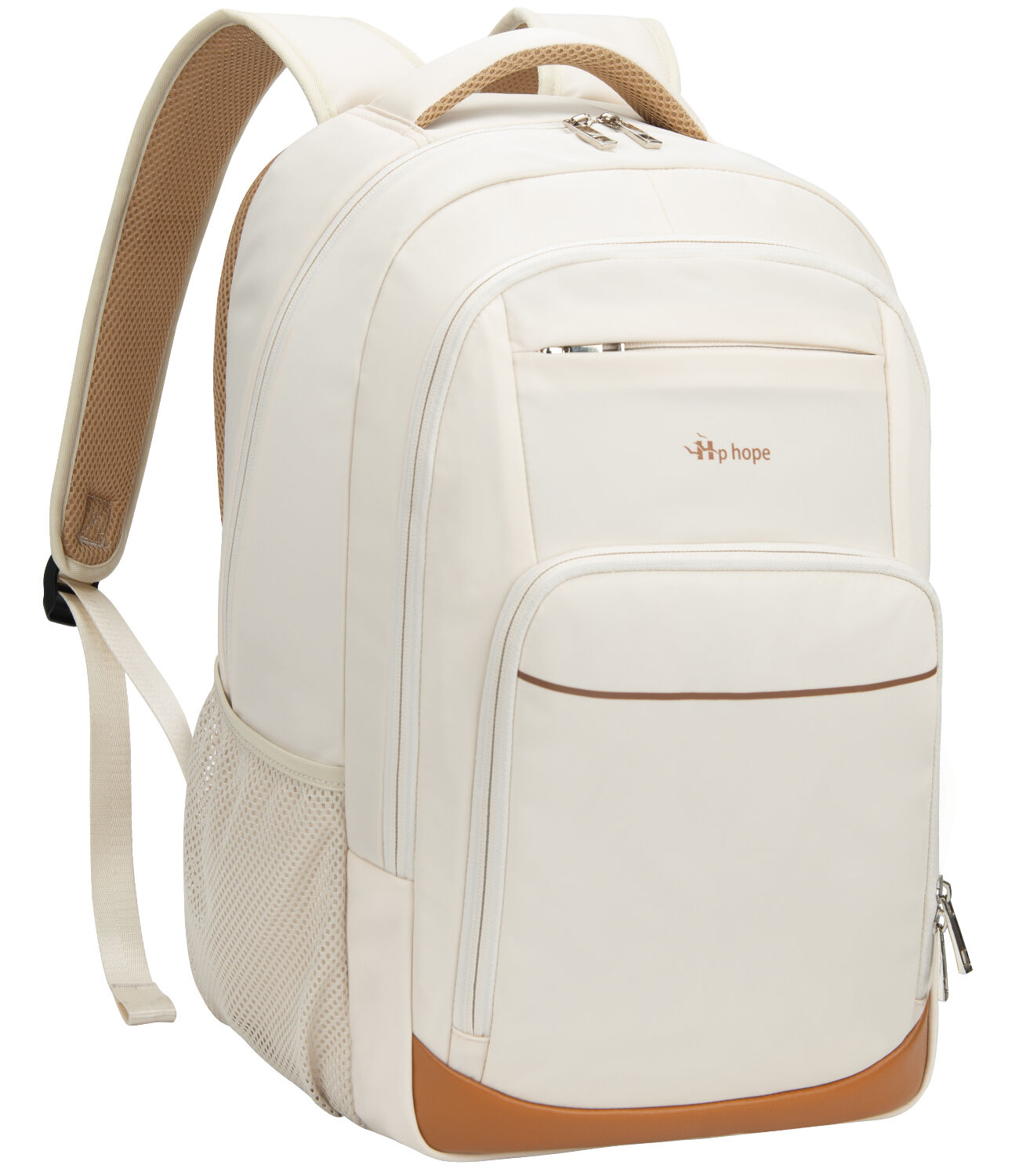
When planning a long-distance journey through rugged terrain, dense trails, or multi-day expeditions, the question of physical endurance often comes down to one overlooked factor: the structural design of your gear. An adventure travel backpack is not simply a container for your belongings — it is a load-bearing system that interacts directly with your body over hours and miles. The way a pack is built, reinforced, and balanced can mean the difference between arriving at camp feeling capable and arriving in pain.
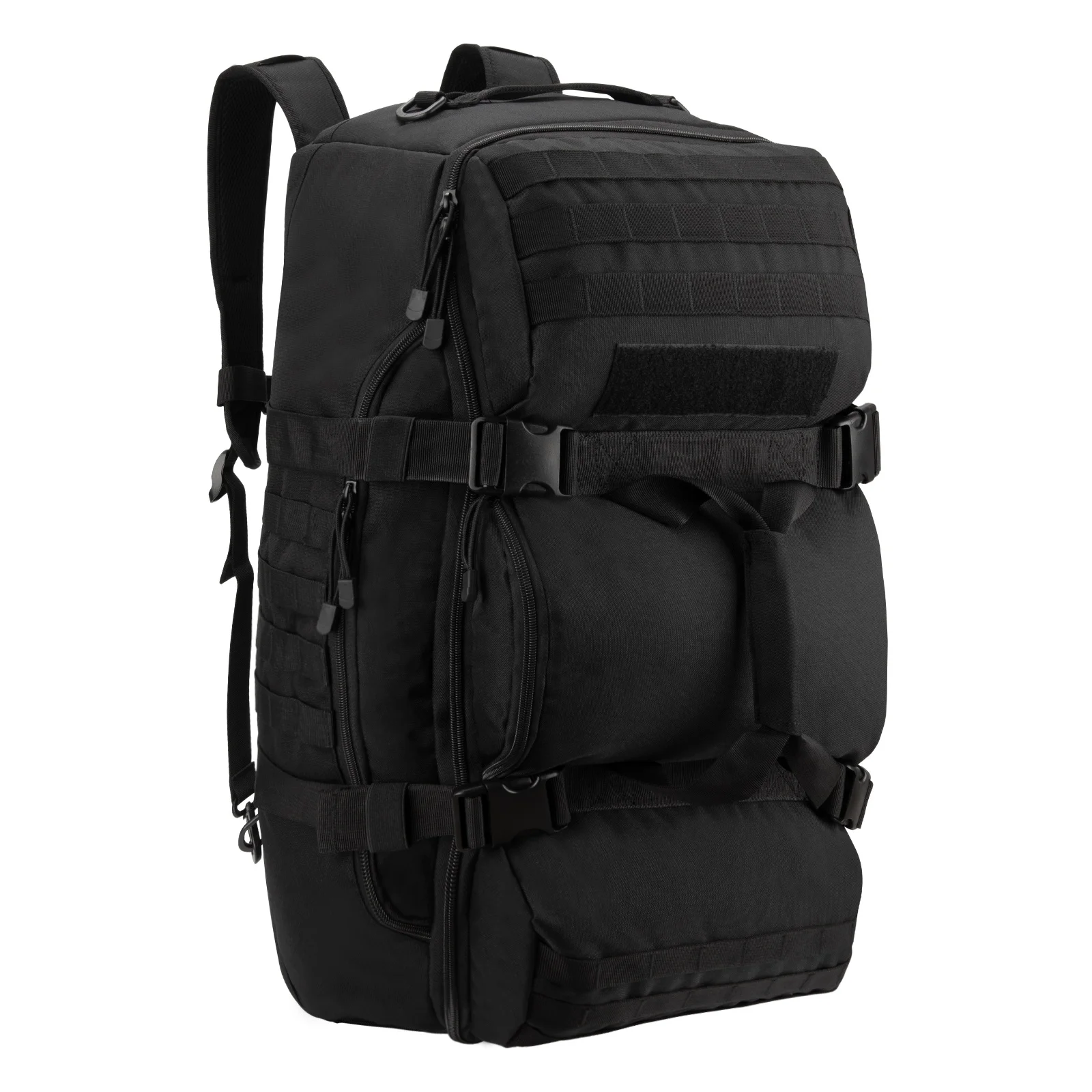
The structural engineering behind a modern adventure travel backpack has evolved considerably, drawing from biomechanics, materials science, and real-world feedback from long-distance trekkers. Understanding how these structural elements work — and why they matter — helps travelers and procurement professionals make smarter decisions when selecting gear for demanding use cases. This article examines whether the structural design of an adventure travel backpack genuinely improves long-distance comfort, and what specific features drive that outcome.
The Relationship Between Pack Structure and Body Mechanics
How Load Distribution Affects Fatigue Over Distance
One of the most critical functions of a well-designed adventure travel backpack is its ability to distribute weight across the body in a way that minimizes localized stress. When weight is concentrated in a single area — such as the upper shoulders — the muscles in that zone fatigue rapidly, leading to discomfort that compounds over time. A structurally sound adventure travel backpack redirects load toward the hips and lumbar region, which are anatomically better suited to carry sustained weight.
The hip belt is central to this mechanism. A padded, contoured hip belt transfers a significant portion of the pack's total weight from the shoulders to the pelvis. This shift allows the larger muscle groups of the lower body to absorb load during movement, reducing upper-body strain. For long-distance travel, this redistribution is not a luxury — it is a functional necessity that directly affects how far and how comfortably a person can travel in a single day.
The torso length of an adventure travel backpack also plays a defining role. Packs that are sized correctly for the wearer's torso keep the center of gravity close to the body, reducing the forward pull that causes back strain. Adjustable torso systems allow a single pack to fit a wider range of body types, making them particularly valuable in B2B procurement contexts where gear must serve diverse teams.
Frame Systems and Their Role in Structural Integrity
Internal frame systems are a defining structural feature of the modern adventure travel backpack. These frames — typically constructed from aluminum stays, carbon fiber rods, or rigid plastic sheets — serve as the skeletal backbone of the pack. They maintain the pack's shape under load, prevent the bag from collapsing against the wearer's back, and channel weight downward toward the hip belt rather than allowing it to sag outward.
A well-positioned internal frame keeps the pack's mass close to the wearer's center of gravity. This proximity reduces the rotational torque that a heavy, poorly structured pack creates with every step. Over a long-distance hike or multi-day expedition, that reduction in torque translates directly into less energy expenditure and less muscular fatigue. The frame is not visible from the outside, but its presence is felt in every kilometer traveled.
Some adventure travel backpack designs incorporate semi-rigid or flexible frame elements that allow the pack to move slightly with the body rather than remaining completely rigid. This adaptive movement reduces friction between the pack and the wearer's back, which is particularly valuable in warm climates where heat and moisture buildup can cause additional discomfort during extended wear.
Back Panel Design and Ventilation as Comfort Drivers
Suspended Mesh Systems and Airflow Management
The back panel of an adventure travel backpack is the primary contact surface between the pack and the wearer's body. Its design has a direct impact on both comfort and thermal regulation during long-distance use. Suspended mesh back panels create a gap between the pack body and the wearer's back, allowing air to circulate freely. This airflow reduces heat buildup and moisture accumulation, both of which contribute significantly to discomfort during extended physical activity.
In high-exertion scenarios — such as steep ascents, dense jungle trails, or multi-day desert crossings — the ability of an adventure travel backpack to manage heat at the back panel can be as important as its load-carrying capacity. Sweat-soaked clothing against a rigid, non-ventilated surface creates chafing, skin irritation, and a general sense of fatigue that goes beyond muscular tiredness. Ventilated back panels address this by keeping the microclimate between pack and body cooler and drier.
The tradeoff with suspended mesh systems is a slight increase in the distance between the pack's center of gravity and the wearer's body. This can marginally affect balance on very technical terrain. However, for the majority of long-distance travel scenarios, the comfort and thermal benefits of a ventilated back panel outweigh this consideration, making it a structurally sound choice for most adventure travel backpack applications.
Lumbar Support Padding and Contact Zone Engineering
Beyond ventilation, the density and contouring of lumbar padding in an adventure travel backpack directly influences how the lower back responds to sustained load. Foam density that is too soft allows the pack to sink into the back, reducing support. Foam that is too firm creates pressure points that become painful over time. The ideal lumbar zone uses multi-density foam or molded EVA padding that conforms to the natural curve of the spine while maintaining enough rigidity to support the load above it.
Contoured lumbar panels that follow the natural S-curve of the spine reduce the gap between the pack and the lower back, ensuring that weight is transferred efficiently rather than creating a lever effect. This is a structural detail that distinguishes a purpose-built adventure travel backpack from a general-purpose bag, and it becomes increasingly important as journey distance and pack weight increase.
Shoulder strap design works in concert with lumbar support. Straps that are anatomically shaped — curved to follow the natural slope of the shoulder and chest — reduce pressure on the trapezius muscles and allow the sternum strap to function correctly. A sternum strap that connects the two shoulder straps across the chest prevents them from splaying outward, keeping the pack centered and reducing lateral movement during dynamic activity.
Compartment Architecture and Weight Placement Logic
Strategic Compartment Layout for Balance and Accessibility
The internal compartment structure of an adventure travel backpack is not merely an organizational feature — it is a weight management tool. Where heavy items are placed within the pack directly affects how the load feels during movement. Structural best practice places the heaviest items closest to the back and as high as possible within the main compartment, keeping the center of gravity near the wearer's own center of mass. This placement reduces the forward lean that a bottom-heavy or back-heavy pack creates.
Dedicated compartments for specific item categories — such as a separate shoe compartment at the base, a hydration sleeve along the back panel, or a top-loading lid pocket for frequently accessed items — allow travelers to pack with weight distribution in mind rather than simply filling available space. An adventure travel backpack with thoughtfully designed compartment architecture encourages better packing habits, which in turn improves comfort over long distances.
Convertible compartment systems add another layer of structural versatility. Some adventure travel backpack designs allow the main compartment to be reconfigured — expanding for multi-day loads or compressing for lighter day trips. This adaptability means the pack's structural performance can be optimized for different load scenarios rather than being fixed at a single configuration.
External Attachment Points and Load Stability
External attachment systems — compression straps, lash points, and gear loops — contribute to structural stability by allowing bulky or irregularly shaped items to be secured close to the pack body. When external loads are attached loosely or positioned far from the pack's center, they create pendulum-like movement during walking, which destabilizes the wearer and increases energy expenditure. A well-designed adventure travel backpack uses compression straps to cinch external loads tightly against the pack body, minimizing this effect.
Trekking pole attachments, ice axe loops, and side compression straps are structural features that serve a dual purpose: they expand the pack's carrying capacity while simultaneously improving load stability. For long-distance travelers who carry specialized equipment, these attachment systems are not optional extras — they are integral to the pack's structural performance under real-world conditions.
The placement and reinforcement of attachment points also matters. Points that are stitched and bartacked at high-stress locations maintain their integrity under heavy loads and repeated use. An adventure travel backpack intended for serious long-distance use should have reinforced attachment points as a baseline structural requirement, not an upgrade feature.
Material Selection and Its Structural Implications
Fabric Durability and Its Effect on Long-Term Structural Performance
The materials used in an adventure travel backpack's construction determine not only its durability but also its structural behavior under load. High-denier nylon and polyester fabrics resist abrasion and tearing, maintaining the pack's shape and structural integrity over extended use. Fabrics that stretch or deform under load allow the pack to shift and sag, undermining the load distribution benefits of the frame and hip belt system.
Ripstop weave patterns add structural reinforcement by limiting the propagation of tears. In an adventure travel backpack subjected to rough terrain, sharp rocks, and heavy loads, ripstop fabric maintains the pack's structural envelope even when surface damage occurs. This is particularly relevant for long-distance expeditions where gear cannot be easily replaced mid-journey.
Water-resistant coatings and laminated fabrics add another structural dimension by preventing moisture absorption. A wet pack is a heavier pack, and moisture-laden fabric loses some of its structural rigidity. An adventure travel backpack with water-resistant materials maintains its structural performance in wet conditions, ensuring that the load distribution and support systems continue to function as designed even in rain or high-humidity environments.
Hardware Quality and Structural Reliability Under Stress
Buckles, zippers, and adjustment sliders are structural components that are easy to overlook but critical to long-distance performance. A hip belt buckle that fails under load eliminates the pack's primary weight transfer mechanism instantly. Zippers that jam or fail compromise compartment access and can force travelers to carry items externally in suboptimal configurations. An adventure travel backpack built for serious use requires hardware that is rated for the loads and conditions it will encounter.
Aluminum and reinforced polymer hardware components offer the best combination of strength and weight. Stitching at stress points — particularly where straps meet the pack body and where the frame connects to the suspension system — should use high-tenacity thread and reinforced seam construction. These details are structural, not cosmetic, and they determine whether an adventure travel backpack maintains its comfort-enhancing properties throughout a long journey or degrades under sustained use.
For B2B buyers sourcing adventure travel backpack products for teams, guides, or resale, hardware quality is a key differentiator. Packs that perform well in the first few uses but degrade quickly under sustained load create replacement costs and user dissatisfaction. Structural hardware quality is therefore both a comfort factor and a total cost of ownership consideration.
FAQ
Does the structural design of an adventure travel backpack really make a measurable difference in comfort over long distances?
Yes, the structural design of an adventure travel backpack has a direct and measurable impact on long-distance comfort. Features such as internal frame systems, contoured hip belts, ventilated back panels, and strategic compartment layouts work together to distribute load efficiently, reduce localized muscle fatigue, and manage heat buildup. The cumulative effect of these structural elements becomes increasingly significant as journey distance and pack weight increase.
What structural features should be prioritized when selecting an adventure travel backpack for multi-day expeditions?
For multi-day expeditions, the most important structural features in an adventure travel backpack are a well-fitted internal frame system, a padded and adjustable hip belt, a ventilated back panel, and reinforced attachment points for external gear. Torso length adjustability is also valuable for ensuring correct fit across different body types. These features collectively determine how well the pack manages load over extended periods of continuous use.
How does compartment design in an adventure travel backpack affect weight distribution and comfort?
Compartment design influences where heavy items are positioned within the pack, which directly affects the pack's center of gravity and how it interacts with the wearer's body during movement. An adventure travel backpack with a dedicated back-panel hydration sleeve, a base compartment for heavy or bulky items, and a top-access lid pocket for frequently needed gear encourages weight placement that keeps the load close to the body's center of mass, reducing strain and improving balance on uneven terrain.
Is an adventure travel backpack with a suspended mesh back panel suitable for technical mountain terrain?
A suspended mesh back panel in an adventure travel backpack offers excellent ventilation and thermal comfort, which benefits most long-distance travel scenarios. On highly technical mountain terrain where precise balance and close load contact are critical, some travelers prefer a direct-contact back panel that keeps the pack's center of gravity closer to the body. However, for the majority of long-distance adventure travel applications — including hiking, trekking, and multi-day expeditions — the comfort and thermal benefits of a suspended mesh system make it a structurally sound and practical choice.
Table of Contents
- The Relationship Between Pack Structure and Body Mechanics
- Back Panel Design and Ventilation as Comfort Drivers
- Compartment Architecture and Weight Placement Logic
- Material Selection and Its Structural Implications
-
FAQ
- Does the structural design of an adventure travel backpack really make a measurable difference in comfort over long distances?
- What structural features should be prioritized when selecting an adventure travel backpack for multi-day expeditions?
- How does compartment design in an adventure travel backpack affect weight distribution and comfort?
- Is an adventure travel backpack with a suspended mesh back panel suitable for technical mountain terrain?