 EN
EN


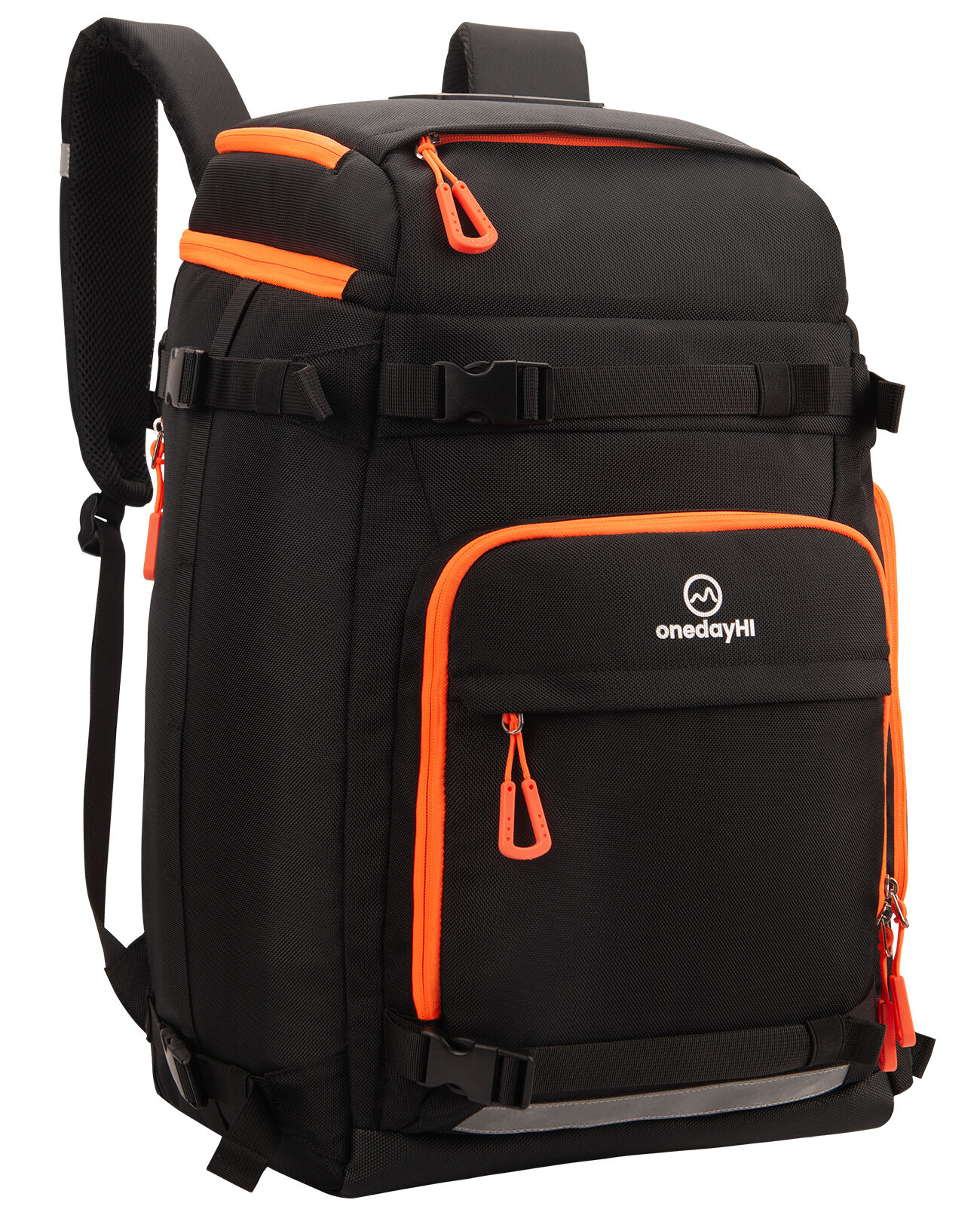
Modern ski enthusiasts demand more from their gear than ever before, and nowhere is this evolution more apparent than in the design of specialized luggage. A winter skitrips bag must accommodate bulky equipment, delicate electronics, damp clothing, and essential accessories while maintaining structural integrity through harsh mountain environments. The difference between a frustrating trip and a seamless adventure often lies in how effectively your bag organizes these diverse items, ensuring quick access to critical gear while protecting everything from moisture, impact, and temperature extremes.
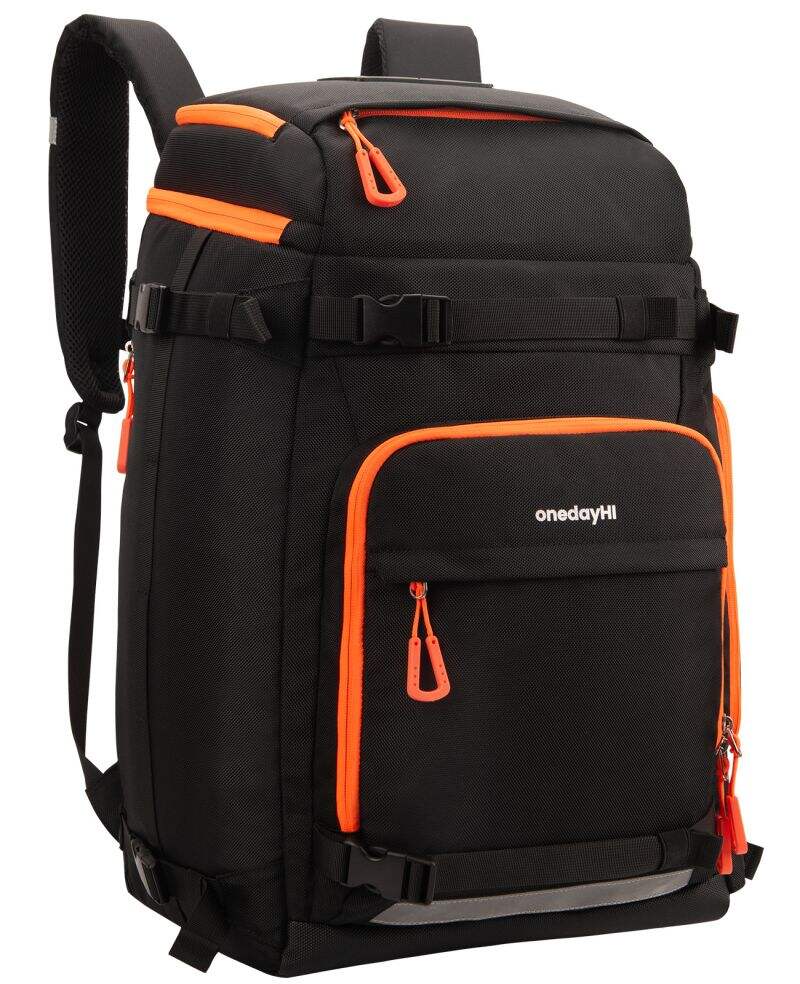
Storage innovations in contemporary ski luggage reflect the complex demands of winter sports travel, where organization directly impacts both safety and enjoyment. Advanced compartmentalization systems, material engineering breakthroughs, and intelligent design features have transformed basic ski bags into sophisticated organizational tools. Understanding these innovations helps travelers select bags that not only carry equipment but actively enhance the entire ski trip experience through superior accessibility, protection, and efficiency. This article examines the specific storage technologies and design principles that separate exceptional winter skitrips bags from conventional luggage options.
Compartmentalization Systems That Transform Packing Efficiency
Dedicated Boot Chambers With Ventilation Architecture
The most significant innovation in modern winter skitrips bag design involves isolated boot compartments featuring integrated ventilation systems. Traditional bags forced skiers to pack damp boots alongside dry clothing, creating moisture migration issues and unpleasant odors. Contemporary designs incorporate sealed chambers with moisture-wicking mesh panels and ventilation channels that allow air circulation while preventing water transfer to adjacent compartments. These chambers typically feature reinforced bases to handle boot weight and contoured shapes that accommodate various boot sizes without wasting internal volume.
Advanced boot compartments extend beyond simple separation by incorporating drainage systems that channel residual moisture away from stored items. Some designs feature removable, washable liners that simplify maintenance after trips, while others integrate antimicrobial treatments into chamber fabrics to prevent bacterial growth. The strategic placement of these compartments at the base of a winter skitrips bag lowers the center of gravity, improving stability during transport. This innovation alone addresses one of the most persistent challenges in ski travel, where wet boots previously compromised the organization and cleanliness of entire luggage systems.
Multi-Layer Organizational Panels With Compression Technology
Innovative winter skitrips bag designs now incorporate multi-tiered organizational panels that create distinct zones within the main compartment. These panels utilize compression straps and adjustable dividers to maintain separation between clothing layers, equipment, and accessories regardless of how fully the bag is packed. Unlike rigid dividers that create fixed spaces, flexible panel systems adapt to varying gear volumes, preventing items from shifting during transport while maximizing usable capacity. This adaptive organization ensures that partially filled bags maintain structural integrity rather than collapsing into disorganized heaps.
The compression technology integrated into these panels serves dual purposes by both organizing contents and reducing overall bag volume for easier storage and transport. Strategic strap placement allows users to compress bulky layers selectively, creating dense packing in clothing sections while maintaining protective spacing around fragile items. Some winter skitrips bag models feature graduated compression zones that apply different pressure levels across compartments, optimizing space utilization without damaging sensitive equipment. This innovation transforms packing from a volume management challenge into a precision organization task where every item occupies its optimal location.
External Quick-Access Pockets With Weather Protection
External pocket systems represent a critical innovation for winter skitrips bag functionality, providing immediate access to frequently needed items without exposing main compartments to cold air and moisture. Modern designs strategically position weatherproof pockets for goggles, lift passes, energy bars, and smartphones, utilizing specialized materials that maintain flexibility in freezing temperatures while blocking precipitation. These pockets often incorporate fleece linings to prevent lens scratches and screen damage, with shaped interiors that hold items securely during active transport.
Advanced external storage goes beyond simple pockets by integrating pass-through systems that allow access to internal compartments without fully opening the bag. This innovation proves particularly valuable at lift bases and in parking areas where minimizing exposure time protects contents from snow and wind. Some winter skitrips bag models feature magnetic closures or water-resistant zippers that can be operated with gloved hands, addressing the practical reality of mountain environments. The positioning of these pockets reflects careful ergonomic planning, placing heavy items near the body's center of gravity and frequently accessed items within easy reach during shoulder carry.
Material Engineering Advances That Enhance Protection and Durability
Waterproof Barrier Technologies With Breathability Balance
Contemporary winter skitrips bag construction employs sophisticated waterproofing technologies that prevent external moisture ingress while allowing internal humidity to escape. Advanced fabric laminates combine dense weaves with hydrophobic coatings, creating barriers that withstand prolonged snow contact and temporary submersion without compromising breathability. This balance prevents the condensation buildup that plagued earlier waterproof designs, where trapped moisture from damp gear created internal wetness even when external conditions remained dry.
The innovation extends to seam construction, where welded or taped joints eliminate the weak points that traditionally allowed water penetration in stressed areas. Premium winter skitrips bag models utilize materials with hydrostatic head ratings exceeding 10,000mm, ensuring protection even during heavy storms or when bags rest in snow banks. The breathable membranes integrated into these fabrics feature microscopic pore structures that block water molecules while permitting water vapor passage, creating microclimate management within the bag. This technology proves essential for multi-day trips where gear must dry between uses without external air exposure.
Abrasion-Resistant Reinforcement In High-Stress Zones
Targeted reinforcement innovations in winter skitrips bag design concentrate durable materials precisely where stress and wear occur most intensely. Base panels, corner zones, and shoulder strap attachment points receive ballistic nylon overlays or thermoplastic urethane reinforcements that distribute impact forces and resist tearing. This strategic approach avoids the weight penalty of uniformly heavy construction while providing superior protection where it matters most, extending bag lifespan significantly compared to unreinforced designs.
The innovation in reinforcement extends beyond simple material thickness to include structural engineering that dissipates stress forces. Some winter skitrips bag models incorporate load-bearing internal frames that transfer weight away from fabric stress points, while others use composite materials that combine flexibility with puncture resistance. Corner guards and rail systems protect contents during airline baggage handling and vehicle loading, addressing the reality that ski bags endure particularly rough treatment. These innovations reflect understanding that durability depends not just on material strength but on intelligent force distribution throughout the bag structure.
Insulation Integration For Temperature-Sensitive Equipment
Selective insulation represents a sophisticated innovation in winter skitrips bag design, protecting electronics, bindings, and other temperature-sensitive items from extreme cold. Rather than insulating entire bags, modern designs incorporate targeted thermal barriers in specific compartments, using closed-cell foam or reflective materials that maintain stable microclimates. This approach prevents battery drain in electronics, maintains binding adjustment accuracy, and protects wax consistency without adding excessive weight or bulk to the overall bag.
Advanced thermal management in winter skitrips bag construction considers both cold protection and heat dissipation. Some designs feature removable insulation panels that adapt to varying temperature conditions, while others integrate phase-change materials that stabilize temperatures through thermal cycling. The strategic placement of these insulated zones typically protects electronic compartments and accessory pockets while allowing clothing sections to maintain breathability. This innovation acknowledges that different contents require different environmental conditions, moving beyond one-size-fits-all approaches to create optimized microzones within a single bag.
Access Innovation Systems That Streamline Gear Retrieval
Multi-Directional Opening Configurations
Revolutionary access systems in modern winter skitrips bag design provide multiple opening orientations that adapt to different packing and retrieval scenarios. Clamshell configurations allow full-spread access for initial packing, while top-loading openings facilitate vertical storage in tight spaces. Side-access panels enable mid-compartment item retrieval without disturbing carefully arranged layers, addressing the common frustration of needing bottom items without unpacking everything above them. These multi-directional systems transform the bag from a simple container into an adaptable organizational platform.
The sophistication of access innovation extends to zipper path design, where curved and angular routes create opening shapes optimized for specific contents. Some winter skitrips bag models feature dual-zipper systems that allow partial openings for quick access while maintaining closure security for the remaining compartment. The integration of lockable zippers and security loops addresses travel safety concerns without compromising convenience. Strategic zipper placement considers natural hand positions during shouldered carry, ensuring that frequently accessed pockets remain reachable without removing the bag or requiring assistance.
Transparent Internal Organization With Visual Mapping
Innovative winter skitrips bag designs increasingly incorporate transparent mesh panels and clear pocket systems that enable visual inventory without physical searching. This seemingly simple feature dramatically reduces retrieval time and prevents the disorganization that occurs when travelers repeatedly dig through opaque compartments. Mesh dividers serve dual purposes by providing both visual access and breathability, allowing moisture to circulate while maintaining clear sight lines to stored items. Color-coded mesh in different zones further enhances navigability, creating intuitive visual maps of bag contents.
The visual organization system extends to specialized pockets designed for specific gear categories, using shaped transparencies that clearly indicate intended contents. Goggle pockets with lens-shaped clear windows, electronics compartments with device-outline indicators, and accessory sections with categorized mesh pouches create self-explanatory organization that remains consistent across multiple trips. Some winter skitrips bag innovations include printed organizational guides on interior surfaces, providing setup templates that optimize packing efficiency. This approach reduces cognitive load during trip preparation and ensures critical items remain consistently accessible rather than becoming lost in the bag's depths.
Modular Attachment Systems For Expandable Organization
Modular attachment innovations allow winter skitrips bag users to customize internal organization based on specific trip requirements. MOLLE webbing systems, hook-and-loop panels, and clip attachment points enable the addition of aftermarket organizers, pouches, and dividers that adapt the bag to varying gear loads. This flexibility proves particularly valuable for travelers who alternate between different skiing disciplines or vary trip lengths, as the bag configuration can transform without requiring multiple specialized luggage pieces.
External modular systems extend organizational capacity through daisy chains, gear loops, and compression strap attachment points that accommodate overflow items or specialized equipment. Helmet carriers, pole sleeves, and avalanche gear attachments integrate seamlessly without compromising the bag's primary structure. Some winter skitrips bag designs feature removable internal organizers that can function independently as packing cubes or daypack inserts, maximizing versatility across the entire trip lifecycle. This innovation reflects recognition that ski travel requirements vary significantly between approach travel, resort stays, and backcountry excursions, demanding adaptable rather than fixed organizational systems.
Smart Integration Features That Enhance User Experience
Weight Distribution Engineering For Ergonomic Carry
Advanced winter skitrips bag designs incorporate sophisticated weight distribution systems that minimize physical strain during transport. Load-lifter straps, hip belt integration, and contoured back panels transfer weight from shoulders to stronger muscle groups, enabling comfortable carry of heavy equipment loads. The innovation extends to internal weight positioning guidance, with denser compartments located near the back panel where weight naturally aligns with the body's center of gravity. This ergonomic engineering transforms the carry experience from an endurance challenge into a manageable task even during extended approaches.
The weight distribution innovation includes dynamic adjustment systems that accommodate different body types and carry preferences. Telescoping torso adjustments, sliding hip belt anchors, and adjustable sternum straps create customized fit across a wide user range without requiring multiple bag sizes. Some winter skitrips bag models feature load stabilizer innovations that automatically tension as weight increases, maintaining optimal positioning without manual adjustment. These systems prove particularly valuable during transitions between carried and wheeled transport modes, where weight balance requirements differ significantly.
Integrated Hydration And Nutrition Access
Contemporary winter skitrips bag innovations increasingly incorporate hydration system integration that maintains liquid accessibility in freezing conditions. Insulated reservoir sleeves, protected tube routing, and bite valve pockets prevent freeze-up while keeping hydration systems readily available during active transport. This integration acknowledges that ski approaches and backcountry travel require continuous hydration access without the delays and exposure involved in stopping to retrieve water bottles. The positioning of these systems considers tube routing that minimizes interference with other gear access while protecting components from impact damage.
Nutrition storage innovations complement hydration systems through strategically placed energy food compartments that maintain bar and gel accessibility in cold conditions. Insulated pockets prevent freezing of nutrition items while keeping them separate from equipment that might cause crushing or contamination. Some winter skitrips bag designs feature quick-grab zones positioned at hip belt level, enabling one-handed food access during movement without requiring pack removal. This integration reflects understanding that winter environments demand frequent energy replenishment, making nutrition as critical as equipment organization for successful ski trips.
Electronics Protection With Charging Capability
Innovation in electronics organization within winter skitrips bag design addresses the unique challenges of maintaining device functionality in mountain environments. Padded, fleece-lined compartments protect screens and housings from impact while the soft interior prevents scratching. Some advanced designs incorporate thermal regulation specifically for electronics zones, using body heat transfer or chemical warmers to maintain operational temperatures. Pass-through port systems enable charging cable routing from internal battery packs without exposing compartments to weather, keeping devices powered throughout extended days.
The electronics integration extends to specialized pockets for action cameras, GPS units, and communication devices, with shaped interiors that secure items against vibration and impact. Signal-transparent materials in critical zones ensure that stored devices maintain connectivity without requiring removal from protective compartments. Some winter skitrips bag innovations include RFID-blocking pockets for passport and payment cards, addressing security concerns during resort and lodge interactions. This comprehensive approach to electronics organization recognizes that modern ski travel involves substantial digital equipment requiring protection levels comparable to the physical gear itself.
FAQ
How do ventilated boot compartments prevent odor buildup in a winter skitrips bag?
Ventilated boot compartments utilize mesh panels and air channels that promote continuous airflow through the isolated chamber where boots are stored. This circulation allows moisture from damp boot liners to evaporate rather than becoming trapped against fabrics, which prevents the bacterial growth responsible for odor development. Many designs incorporate antimicrobial treatments in the chamber lining that inhibit microorganism proliferation even when moisture is present. The combination of active ventilation and chemical treatment creates an environment where odors cannot establish, maintaining freshness throughout multi-day trips. Some advanced winter skitrips bag models feature removable, washable boot chamber liners that can be cleaned separately, providing additional odor control through regular maintenance cycles.
Can compression systems in a winter skitrips bag damage sensitive ski equipment?
Properly designed compression systems in quality winter skitrips bag models incorporate selective pressure zones that avoid equipment damage while optimizing space utilization. These systems typically apply compression only to soft goods like clothing and sleeping bags, while maintaining protective spacing around hard equipment through structured dividers and padded panels. The compression straps are positioned to stabilize contents without creating pressure points on bindings, edges, or other vulnerable components. Users should follow manufacturer guidance regarding which compartments can safely undergo compression and avoid over-tightening straps beyond recommended tension levels. When used correctly, compression innovations enhance rather than compromise equipment protection by preventing items from shifting during transport, which actually reduces impact forces compared to loosely packed configurations.
What makes modular attachment systems valuable for varying ski trip types?
Modular attachment systems provide adaptability that allows a single winter skitrips bag to serve multiple skiing disciplines and trip durations without requiring specialized luggage for each scenario. Resort skiers can configure bags with minimal external attachments for streamlined travel, while backcountry enthusiasts can add avalanche gear carriers, helmet attachments, and additional accessory pouches for self-sufficient expeditions. This versatility eliminates the expense and storage burden of maintaining separate bag systems for different activities. The internal modularity enables organizational customization based on personal preferences and specific gear sets, ensuring that the bag layout matches individual packing logic rather than forcing adaptation to fixed compartment structures. This flexibility proves particularly valuable for travelers who evolve their skiing style or equipment over time, as the bag system can adapt rather than becoming obsolete.
How do transparent organizational features improve packing efficiency?
Transparent mesh panels and clear pocket systems in winter skitrips bag designs dramatically reduce the time and effort required to locate specific items by enabling visual scanning rather than tactile searching. This visibility prevents the common problem of repeatedly unpacking and repacking while hunting for misplaced items, which disrupts carefully arranged layers and wastes valuable time. The visual access also improves packing quality by making it immediately apparent when items are poorly positioned or when space could be better utilized, allowing real-time optimization during initial packing. Color-coded transparent zones create intuitive categorization that remains consistent across multiple trips, building muscle memory for item placement that further accelerates both packing and retrieval. The transparency feature proves especially valuable in low-light conditions common during early morning departures or evening arrivals when searching opaque compartments becomes particularly challenging.
Table of Contents
- Compartmentalization Systems That Transform Packing Efficiency
- Material Engineering Advances That Enhance Protection and Durability
- Access Innovation Systems That Streamline Gear Retrieval
- Smart Integration Features That Enhance User Experience
-
FAQ
- How do ventilated boot compartments prevent odor buildup in a winter skitrips bag?
- Can compression systems in a winter skitrips bag damage sensitive ski equipment?
- What makes modular attachment systems valuable for varying ski trip types?
- How do transparent organizational features improve packing efficiency?