 EN
EN


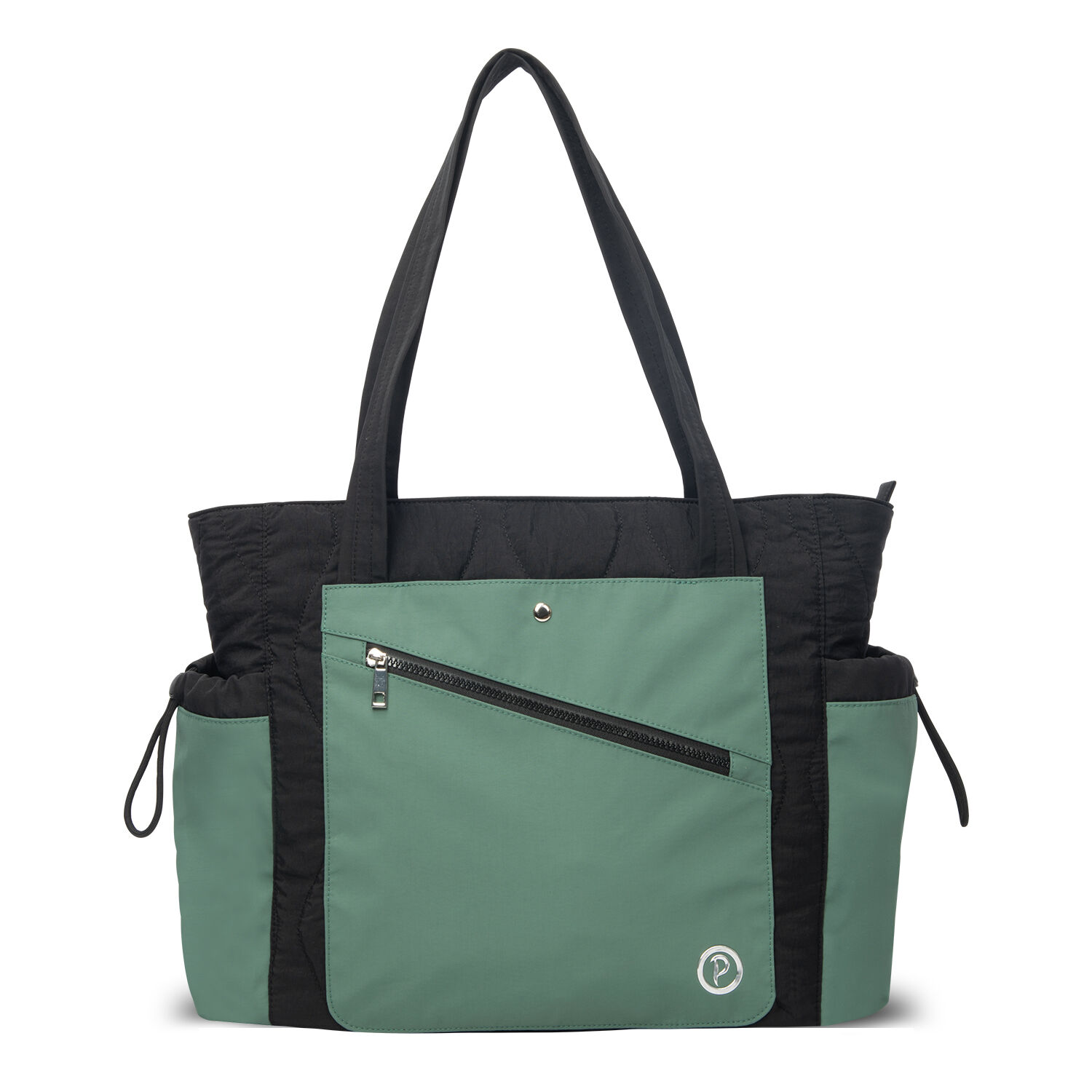
The student travel backpack has undergone a remarkable transformation over the past several years. What was once a simple carry-all designed to hold textbooks and a lunch container has evolved into a sophisticated, multi-functional piece of gear that serves students across classrooms, commutes, weekend getaways, and everything in between. This shift is not a passing trend driven by aesthetics alone — it reflects a deeper change in how modern students live, study, and travel, and it signals a meaningful evolution in consumer expectations across the entire category.
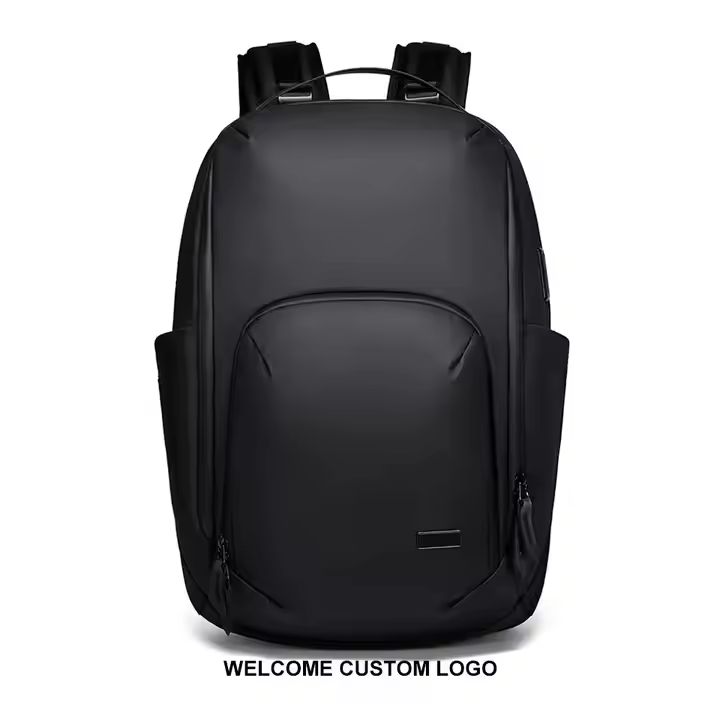
Understanding why the student travel backpack is trending toward multi-purpose use requires looking at converging forces — from the rise of hybrid learning environments to the growing emphasis on minimalist lifestyles and smart product investment. Students today are asking more from their gear, and the market is responding with designs that bridge the gap between academic utility and real-world travel demands. This article explores the key drivers behind this shift and explains what it means for students, buyers, and the brands that serve them.
The Changing Lifestyle of the Modern Student
Hybrid Learning and Constant Mobility
Today's students are rarely stationary. Between on-campus classes, remote study sessions at coffee shops, part-time work, and weekend travel, the average student moves through multiple environments in a single day. This mobility has fundamentally changed what a student travel backpack needs to deliver. It can no longer be just a bag for books — it must accommodate a laptop, chargers, water bottles, gym clothes, and potentially an overnight kit all at once.
Hybrid learning models, which became widely adopted in recent years, have further accelerated this demand. Students who split their time between home, campus, and co-working spaces need a bag that can transition seamlessly across these contexts. A student travel backpack that performs well in all of these settings eliminates the need to constantly repack or carry multiple bags, making it a genuinely practical tool rather than a simple accessory.
The result is a generation of students who evaluate their bags not by a single use case, but by how many situations it can handle without compromise. This expectation is reshaping the entire product development approach for backpack manufacturers targeting the student segment.
The Minimalist Mindset Driving Multi-Purpose Demand
A growing cultural shift toward minimalism — owning fewer but higher-quality items — has also pushed students toward multi-purpose gear. Rather than owning a school bag, a travel bag, and a day pack separately, students increasingly prefer a single well-designed student travel backpack that can do it all. This preference aligns naturally with both budget constraints and the practical limitations of dormitory or apartment living, where storage space is at a premium.
When a student invests in one bag that handles every scenario, that purchase carries greater justification. The willingness to spend slightly more on a versatile student travel backpack reflects a shift from disposable, single-use thinking toward long-term, value-based purchasing. Brands that understand this mindset are designing bags with compartmentalization, ergonomic support systems, and durable weatherproof materials — features that justify the higher price point while delivering across a wider range of uses.
Functional Design Features That Enable Multi-Purpose Use
Laptop Protection and Technology Integration
One of the most visible design evolutions in the modern student travel backpack is the integration of dedicated laptop protection and tech-forward features. A padded laptop sleeve that accommodates screens up to 16 inches, a USB charging port compatible with external power banks, and cable management systems have become near-standard expectations among student buyers. These features make the bag just as relevant in an airport as it is in a lecture hall.
The inclusion of a USB charging port is particularly emblematic of the multi-purpose shift. Students who are constantly on the move rely heavily on smartphones, earbuds, and tablets throughout the day. A student travel backpack that integrates charging capability is not just a bag — it is a mobile productivity hub. This feature alone transforms the product's value proposition from 'carry things' to 'keep you connected and functional wherever you are.'
Ergonomic weight-reduction systems are another critical feature in this category. When students are carrying laptops, chargers, books, and personal items simultaneously across long campus walks or airport terminals, a poorly designed bag becomes a genuine physical burden. Weight distribution systems that redistribute load across the lumbar and shoulder zones make multi-purpose carrying comfortable and sustainable, which is essential for a bag used daily across diverse environments.
Weather Resistance and Durability for Diverse Environments
The shift toward multi-purpose use has also raised the bar for material performance. A student travel backpack used only in a classroom can get away with basic fabric. But a bag that must perform in a rainstorm during a campus commute, survive the overhead bin of a budget airline, and handle the dusty environment of a hiking trail needs significantly more. Fully water-repellent materials have become a key selling point precisely because multi-purpose users expose their bags to a much wider range of conditions.
Students are increasingly aware that protecting their electronics — laptops, cameras, tablets — from moisture is not optional. A water-repellent student travel backpack provides genuine peace of mind during travel scenarios where weather cannot be predicted. This functionality directly supports the multi-purpose value proposition because it removes a major limitation: the fear that the bag will fail in certain environments.
Durability in zippers, stitching, and base panels also plays a critical role. A multi-purpose student travel backpack endures far more stress cycles than a single-use school bag, so structural integrity is not merely desirable — it is essential. Students who travel frequently understand that a bag that fails mid-trip causes disproportionate disruption, which is why durability has become a top evaluation criterion alongside capacity and organization.
The Role of Volume and Capacity in Versatility
Finding the Sweet Spot Between School and Travel Capacity
Capacity is one of the most debated factors in the multi-purpose student travel backpack market. A bag that is too large becomes unwieldy for daily school use. A bag that is too small cannot hold enough for a weekend trip. The 20-liter range has emerged as a strong consensus sweet spot for the student segment because it provides enough volume to carry academic essentials alongside a modest travel load without becoming physically burdensome.
At this volume, a student travel backpack can accommodate a 16-inch laptop, a change of clothes, toiletries, chargers, books, and a water bottle simultaneously. This range of capacity is precisely what allows the bag to function as a credible travel companion without sacrificing its effectiveness as a daily school bag. Students who have tested both smaller and larger alternatives frequently return to this volume range because of how naturally it fits varied real-world usage scenarios.
For brands and buyers evaluating the student travel backpack space, capacity is not just a number — it is a signal of intended versatility. Products positioned at the 18–22 liter range are communicating clearly that they are designed for students who move frequently and need a bag that can keep up across multiple contexts without requiring a swap.
Organizational Systems That Support Multi-Use Packing
Volume alone does not make a bag multi-purpose. The internal architecture of a student travel backpack must be thoughtfully designed to support different types of packing logic. Academic use requires quick access to documents and devices. Travel use requires separation of clean and used clothing, secure storage of travel documents, and accessible placement of items needed during transit.
Modern multi-purpose student travel backpacks address this through intelligent compartmentalization: a dedicated laptop sleeve with padding, a front organizational pocket for small essentials, a main compartment with enough depth for clothes or gear, and side pockets for hydration. When these zones are well-designed, switching from school mode to travel mode becomes intuitive rather than frustrating.
This organizational intelligence is one of the clearest indicators that a student travel backpack was designed with genuine versatility in mind, rather than simply marketed as multi-purpose after the fact. Students who regularly use their bags for both school and travel can quickly identify whether a bag's internal layout truly supports dual-use packing or just claims to.
Market and Cultural Factors Accelerating the Trend
Social Media and the Visual Culture of Travel-Ready Students
Visual platforms have played a significant role in shaping how students perceive and choose their gear. The aspirational image of a student at an airport gate, studying at a cafe in a foreign city, or hiking between destinations with a single clean bag has become a powerful motivator. This visual culture has effectively merged the identity of the student and the traveler into a single archetype — and the student travel backpack is the most visible symbol of that identity.
When students see peers or creators traveling with compact, well-organized backpacks that look equally at home in a library or a hostel, it reinforces the idea that a great bag should do more than one thing. This aspirational pull has real commercial consequences: students are more willing to research and invest in a student travel backpack that projects this versatile, mobile-ready identity than in one that looks purely academic or purely outdoorsy.
For B2B buyers and product developers in this space, understanding the social and cultural dimensions of the student travel backpack category is just as important as understanding the functional specs. The trend toward multi-purpose use is reinforced not just by utility but by how students want to present themselves and how they imagine their own lives.
Sustainability and the Value of Buying Less
Environmental awareness among younger consumers is another genuine driver of the multi-purpose backpack trend. Students who are conscious of overconsumption are actively seeking products that reduce the total number of items they need to own. A single student travel backpack that handles both school and travel effectively is inherently more sustainable than owning two or three specialized bags.
This sustainability logic dovetails perfectly with the minimalist mindset discussed earlier. When students can make one thoughtful purchase that eliminates the need for multiple redundant products, it aligns with their environmental values while also delivering practical and financial benefits. Brands that communicate this multi-purpose sustainability angle authentically are finding strong resonance with the student demographic.
The shift toward multi-purpose use in the student travel backpack category, therefore, is not just about product design — it is about a values alignment between what students care about and what well-designed multi-purpose gear actually delivers. That alignment is what makes this trend durable rather than temporary.
FAQ
What makes a backpack truly suitable for both school and travel use?
A genuinely multi-purpose student travel backpack combines adequate volume (typically around 20 liters), a padded laptop compartment that fits up to 16-inch screens, water-repellent materials, ergonomic weight distribution, and intelligent internal organization. These features collectively allow the bag to transition between academic and travel contexts without requiring repacking strategy overhauls or compromising on comfort or protection.
Is 20 liters enough capacity for a student travel backpack used on trips?
For weekend or short-trip travel, 20 liters is generally sufficient for most students. This volume can accommodate a laptop, a change of clothes, chargers, toiletries, and travel documents alongside daily essentials. For longer international trips, students may need to supplement with a packing cube system or choose a slightly larger volume, but 20 liters remains the preferred daily-carry and short-trip sweet spot in the student travel backpack category.
Why do students prefer a single multi-purpose bag over owning separate bags?
Students favor a single well-designed student travel backpack because it simplifies their daily routine, reduces storage needs in compact living spaces, provides better long-term value, and aligns with minimalist and sustainability values. The convenience of not having to repack between different bags — combined with the confidence that one bag performs well across all scenarios — makes multi-purpose design a genuinely compelling proposition for today's mobile student lifestyle.
How important is water resistance in a student travel backpack?
Water resistance is critically important for any student travel backpack intended for multi-purpose use. Students carry expensive electronics including laptops and tablets, and exposure to rain during commutes or travel is inevitable. A fully water-repellent exterior provides meaningful protection against light-to-moderate moisture, which is the most common risk scenario. For students who travel frequently or live in rainy climates, water resistance should be considered a non-negotiable feature rather than a bonus.