 EN
EN


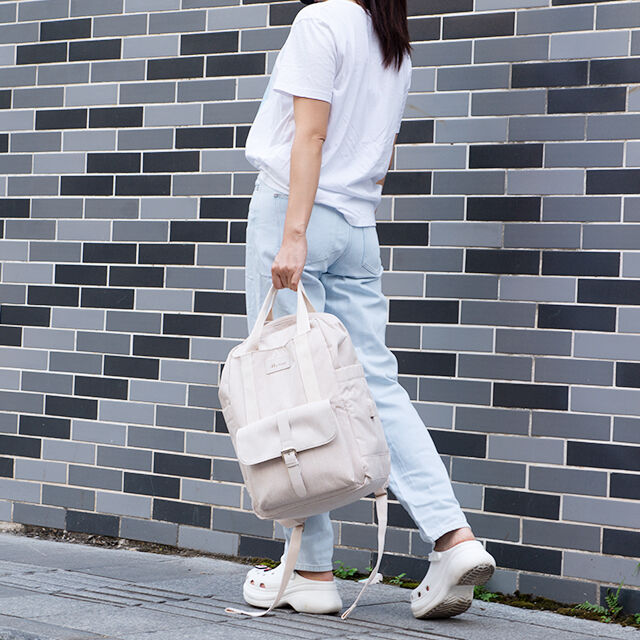
Finding the right budget travel backpack is one of the most practical challenges any frequent traveler or daily commuter faces. The core tension is straightforward: you want to spend as little as possible without ending up with a bag that falls apart after a few trips. This balance between cost and durability is not just a matter of luck or brand loyalty — it is a matter of understanding what actually drives quality in a backpack and knowing which features are worth paying for, even at a lower price point.
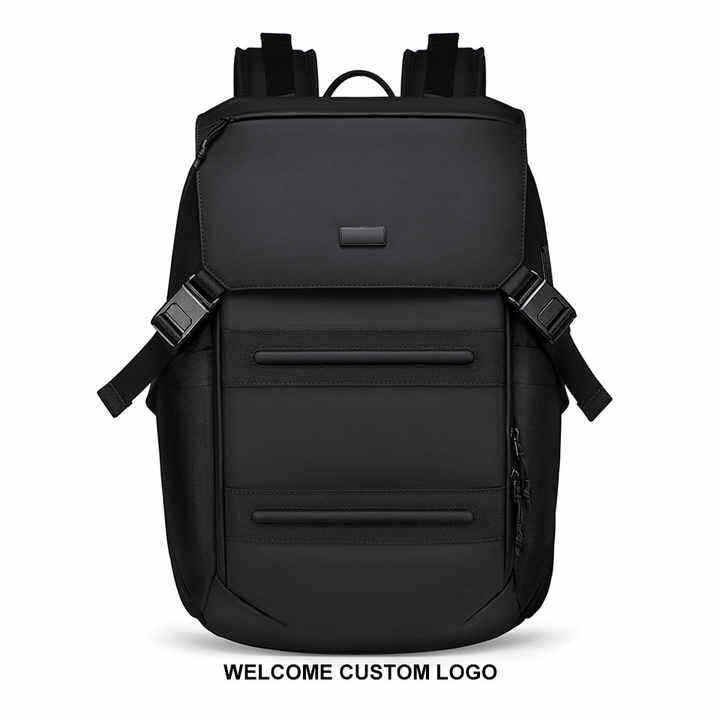
A well-chosen budget travel backpack does not have to mean compromised performance. In fact, the market has evolved significantly, and today's affordable options often incorporate materials and construction techniques that were once reserved for premium-tier products. The key is knowing how to evaluate a budget travel backpack beyond its price tag — looking at fabric weight, stitching quality, hardware reliability, and ergonomic design to determine whether it will genuinely hold up under real travel conditions. This article breaks down exactly how that balance can be achieved.
Understanding What Drives Cost in a Budget Travel Backpack
Material Selection and Its Impact on Price
The single largest cost driver in any budget travel backpack is the fabric used in its construction. High-denier polyester and nylon fabrics are the most common choices in the affordable segment, and they offer a reasonable trade-off between weight, abrasion resistance, and manufacturing cost. A budget travel backpack made from 600D polyester, for example, can handle moderate daily use without showing significant wear, provided the weave is tight and the coating is applied correctly.
Waterproof or water-resistant coatings add a layer of functional value without dramatically increasing production costs. Many budget travel backpack options now include a TPU or PVC-backed fabric that resists light rain and splashes, which is a meaningful upgrade for travelers who move through unpredictable weather. The presence of this coating is often a reliable indicator that the manufacturer has invested in functional material engineering rather than purely aesthetic choices.
It is also worth noting that fabric weight — measured in denier — does not always correlate directly with durability. A lower-denier fabric with a tighter weave and quality coating can outperform a heavier fabric with poor finishing. When evaluating a budget travel backpack, looking at the combination of denier, weave density, and surface treatment gives a more accurate picture of real-world durability than price alone.
Hardware, Zippers, and Structural Components
Zippers are one of the most failure-prone components in any budget travel backpack, and they are also one of the clearest indicators of build quality. YKK zippers are widely regarded as the industry standard for reliability, and their presence in a budget travel backpack signals that the manufacturer has prioritized functional longevity over cutting every possible cost. Zippers that feel smooth, have consistent tooth alignment, and move without snagging are worth paying attention to during any pre-purchase evaluation.
Buckles, D-rings, and compression straps are secondary hardware elements that contribute to the structural integrity of a budget travel backpack. Plastic buckles made from acetal or nylon composites are far more durable than those made from standard ABS plastic, and they resist cracking under load or in cold temperatures. A budget travel backpack that uses reinforced hardware at stress points — such as where shoulder straps attach to the main body — will consistently outlast one that uses minimal or decorative hardware.
Stitching density and thread quality are often overlooked but critically important. Double or triple stitching at load-bearing seams, bar-tack reinforcement at strap attachment points, and consistent stitch length throughout the bag are all signs of manufacturing discipline. These details cost relatively little to implement but have a significant impact on how long a budget travel backpack remains functional under regular use.
How Ergonomic Design Affects Long-Term Value
Weight Distribution and Back Panel Engineering
A budget travel backpack that causes back pain or shoulder fatigue after an hour of use is not truly affordable — the hidden cost is physical discomfort and reduced mobility. Ergonomic design, particularly in the back panel and shoulder strap system, plays a major role in determining whether a backpack is genuinely usable for extended travel. Contoured back panels with foam padding or mesh ventilation channels allow for better airflow and more natural load distribution, reducing strain during long carry periods.
Shoulder straps on a quality budget travel backpack should be wide enough to distribute weight across the shoulder rather than concentrating pressure on a narrow band. Straps with S-curve shaping follow the natural contour of the shoulder and upper chest, which reduces the tendency for the bag to pull backward and strain the lower back. Even in the budget segment, these ergonomic features are achievable and represent a meaningful investment in usability.
A weight-reduction system — whether through internal frame sheets, load lifter straps, or a structured back panel — can make a significant difference in how a budget travel backpack performs when fully loaded. A 20-liter budget travel backpack with a proper weight distribution system will feel noticeably lighter and more manageable than a similarly sized bag without these features, even when carrying the same load.
Compartment Logic and Organizational Efficiency
The internal organization of a budget travel backpack directly affects how efficiently a traveler can pack, access, and manage their belongings. A well-designed budget travel backpack will include a dedicated laptop sleeve — ideally padded and positioned against the back panel for protection — along with front organizer pockets for smaller items like cables, documents, and travel accessories. This compartment logic reduces the need to unpack the entire bag to find a single item, which is a practical time-saver in transit environments.
Side water bottle pockets, top grab handles, and external attachment points are small design details that add meaningful utility to a budget travel backpack without significantly increasing production costs. These features reflect thoughtful design rather than expensive materials, and they are often the difference between a bag that feels purpose-built for travel and one that simply holds items without any organizational logic.
The volume of a budget travel backpack — typically ranging from 20 to 35 liters in the travel segment — should match the intended use case. A 20-liter budget travel backpack is well-suited for day trips, commuting, and carry-on travel, while larger volumes accommodate multi-day trips or heavier equipment loads. Choosing the right volume for the intended use is part of the cost-durability equation, since an oversized bag used at low capacity will wear unevenly, while an undersized bag used beyond its capacity will stress seams and zippers prematurely.
Evaluating Durability Without Overspending
Key Durability Indicators at the Budget Price Point
Durability in a budget travel backpack is not about finding a bag that lasts forever — it is about finding one that performs reliably for its intended lifespan and use frequency. A budget travel backpack used for weekend trips two or three times a month has different durability requirements than one used daily for commuting. Matching the construction quality to the actual use pattern is a more rational approach than simply seeking the most durable option regardless of cost.
Seam integrity is one of the most reliable durability indicators in a budget travel backpack. Running a finger along the interior seams to check for consistent stitching, examining the base corners for reinforcement, and testing zipper pulls under light tension are all practical ways to assess build quality before committing to a purchase. A budget travel backpack that passes these basic checks is likely to perform well under normal travel conditions.
Water resistance is another durability-adjacent feature that extends the functional life of a budget travel backpack. A bag that can handle light rain without soaking through protects its contents and maintains its structural integrity over time, since repeated wetting and drying cycles can degrade foam padding, weaken adhesives, and cause fabric delamination. Even a basic DWR (durable water repellent) coating on a budget travel backpack adds meaningful protection without a significant cost premium.
The Role of Volume and Load Management in Longevity
How a budget travel backpack is loaded has a direct impact on how long it lasts. Consistently overloading a bag beyond its designed capacity accelerates wear on zippers, straps, and seams. Understanding the weight limits and volume capacity of a budget travel backpack — and respecting those limits — is one of the simplest ways to extend its useful life without spending more money.
Distributing weight evenly within a budget travel backpack also reduces stress on specific structural points. Placing heavier items close to the back panel and lighter items toward the front keeps the center of gravity stable and reduces the lateral pulling forces that cause strap attachment points to fail over time. This kind of load management is a behavioral habit that costs nothing but significantly improves the longevity of any budget travel backpack.
Proper storage when not in use — keeping a budget travel backpack in a dry environment, avoiding compression under heavy objects, and not hanging it by a single strap for extended periods — also contributes to long-term durability. These maintenance habits are especially relevant for budget travel backpack options that use foam padding or structured panels, which can deform permanently if stored improperly.
Practical Scenarios Where a Budget Travel Backpack Delivers Real Value
Urban Commuting and Day Travel
For urban commuters and day travelers, a budget travel backpack offers an excellent value proposition. The daily demands of commuting — carrying a laptop, documents, a water bottle, and personal items — are well within the performance envelope of a quality budget travel backpack. A 20-liter budget travel backpack with a padded laptop sleeve, organized front pocket, and water-resistant fabric covers all the functional bases for this use case without requiring a premium investment.
The casual travel segment — weekend trips, short city breaks, and carry-on travel — is another area where a budget travel backpack performs strongly. Airlines' carry-on size restrictions are typically well within the dimensions of a standard budget travel backpack, and the organizational features of a well-designed bag make packing for short trips efficient and stress-free. The cost savings compared to a premium travel bag can be redirected toward the trip itself, which is a rational trade-off for most travelers.
Professional and Business Travel Contexts
A budget travel backpack designed with professional use in mind — featuring a dedicated laptop compartment, clean exterior lines, and neutral colorways — can serve effectively in business travel contexts. The perception that affordable bags look cheap or unprofessional is increasingly outdated, as modern manufacturing techniques allow budget travel backpack products to achieve clean, polished aesthetics that are appropriate for professional environments.
For professionals who travel frequently but do not want to risk a premium bag in high-wear environments like airports, public transit, or outdoor venues, a budget travel backpack offers a practical alternative. The lower replacement cost means that wear and tear is less financially consequential, and the functional performance of a quality budget travel backpack is sufficient for the demands of business travel at the day-trip or overnight level.
Custom branding options — available from many manufacturers in the budget travel backpack segment — also make these bags relevant for corporate gifting, team equipment, and branded merchandise programs. A budget travel backpack with a custom logo and consistent quality construction represents strong value in these B2B contexts, where cost efficiency and brand presentation must be balanced simultaneously.
FAQ
What materials should I look for in a durable budget travel backpack?
Look for high-denier polyester or nylon fabrics with a water-resistant coating, reinforced stitching at stress points, and quality zippers. A budget travel backpack with these material characteristics will offer reliable durability without requiring a premium price investment. The combination of fabric weight, coating quality, and hardware reliability is more important than any single material specification.
How many liters is ideal for a budget travel backpack used for carry-on travel?
A 20-liter budget travel backpack is generally ideal for carry-on and day travel, as it fits within most airline personal item size restrictions and is large enough to carry a laptop, clothing for a short trip, and daily essentials. For multi-day trips, a 25- to 35-liter budget travel backpack provides more capacity while still remaining manageable as a carry-on in many cases.
Can a budget travel backpack really last as long as a premium one?
With proper use and maintenance, a quality budget travel backpack can last several years under regular travel conditions. The key is matching the bag's construction quality to its intended use frequency and load requirements. A budget travel backpack used within its designed capacity and stored correctly will consistently outperform a premium bag that is overloaded or poorly maintained.
What ergonomic features matter most in a budget travel backpack?
Padded and contoured shoulder straps, a structured or ventilated back panel, and a weight distribution system are the most impactful ergonomic features in a budget travel backpack. These elements reduce physical strain during extended carry periods and make the bag more comfortable across a wider range of body types. Even at budget price points, these features are achievable and represent a meaningful improvement in usability over basic, unstructured designs.