 EN
EN


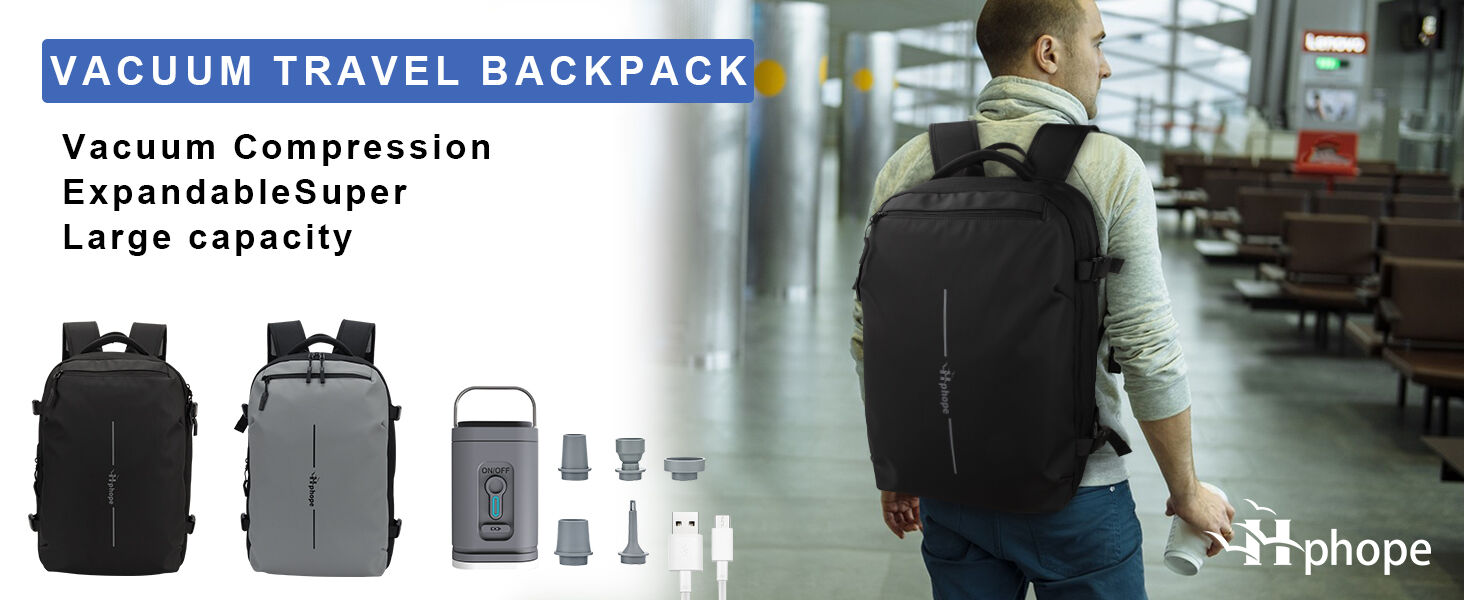
Uhusiano kati ya ukubwa wa mchakato wa kusafiri kwa mabag la kuchoma na urahisi ni zaidi ya kuchagua mchakato mkubwa zaidi uliopo. Unapochagua mchakato wa kusafiri kwa mabag la kuchoma, kuelewa jinsi ya kiasi, vipimo, na usambazaji wa mzigo unavyoathiri uendelezaji wako wa mwili unaweza kuwa tofauti kati ya safari ya nje ya nyumbani yenye furaha na shida ya maumivu. Mchakato wa kusafiri kwa mabag la kuchoma usio sawa kwa ukubwa unaweza kusababisha mahali pa shinikizo, uvimbe wa misuli, na umenyo unaoukumba katika mbali zaidi.
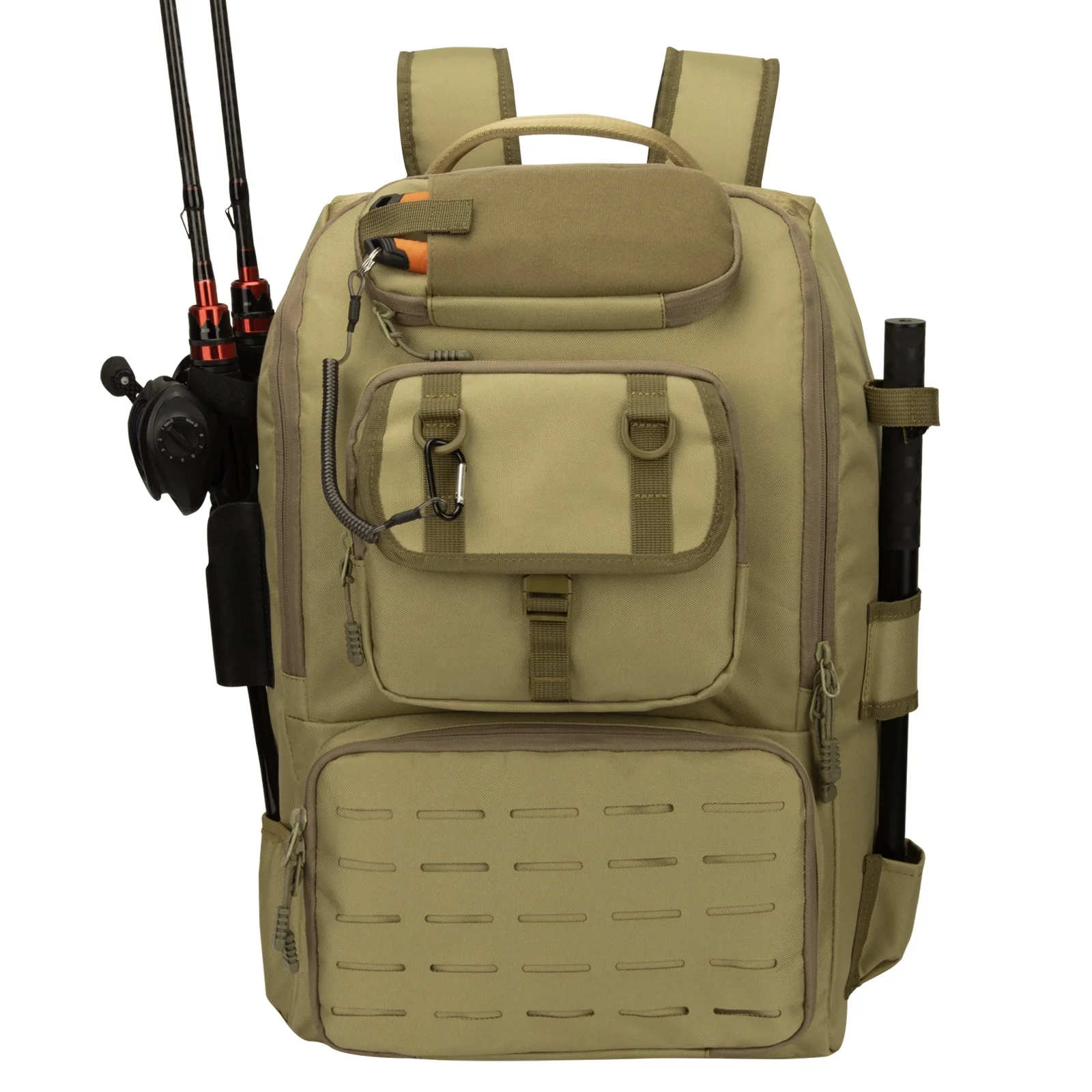
Wachama wa kitaaluma wa kuchoma na wataalamu wa vifaa vya nje ya nyumbani hushirikisha mara kwa mara kwamba urahisi unategemea kufanana kwa ukubwa wa mchakato na vipimo vya kifua chako pamoja na matumizi yaliyotarajwa. Mchakato wa kusafiri kwa mabag la kuchoma uliopita uwezo wako wa kuleta au haufanani na vipimo vya mwili wako utasababisha nguvu za kujitenga ambazo zinavuruga mgongo na mashupi yako. Kuelewa kanuni hizi za uhambo wa mwili unasaidia wanaofurahia nje ya nyumbani kufanya maamuzi ya kisasa kuhusu uchaguzi wa mchakato kwa masafiri ya siku nyingi.
Mekaniki ya Ugawaji wa Mzigo katika Vifungu vya Ukubwa tofauti
Uhamisho wa Uzito kupitia Mifumo ya Mifupa
Mifumo mikubwa ya mkoba wa kusafiria kwa kupanda milima kwa kawaida hujumuisha mifumo ya fremu ya kisasa zaidi iliyoundwa kuhamisha uzito kutoka mabegani hadi kwenye viuno. Muundo wa fremu ya ndani katika mkoba wa kusafiria wa lita 60 husambaza mzigo tofauti na modeli ndogo ya lita 30. Kiasi cha pakiti kinapoongezeka, watengenezaji huongeza mikanda ya nyonga iliyoimarishwa na kamba za kubebea mizigo ambazo huwa muhimu kwa kudumisha usambazaji sahihi wa uzito kwenye kiwiliwili chako.
Faida ya kimwili ya mfupa mkubwa iko katika uwezo wake wa kufanya uzito uwe karibu na kituo cha graviti ya mwili wako. Mfuwa wa kuvuka milima uliopangwa vizuri hutumia mfumo wa mifupa kujenga msalaba wa ustawi ambao huenda pamoja na mwili wako badala ya kuingilia kinyume chake. Hata hivyo, faida hii huonekana tu pale mfupa unapokelewa kwa urefu wa mwili wako na mzigo haupitwi uwezo wa kimwili wako.
Mifano ya Shinikizo kwenye Pointi za Mawasiliano
Ukubwa wa kifurushi hukua moja kwa moja jinsi ya mgawanyo wa shinikizo kwenye vituo vya muktadha mwenzako. Kifurushi cha kutembea kwa mafuta kinachokuwa kubwa sana kwa mfumo wako huunda umba mkubwa zaidi kati ya mgongo wako na ubao wa kusimamia mzigo wa kifurushi. Umba huu unahitaji kuwa na mikono ya shingoni kujaza mzigo zaidi, ambayo inasababisha ukoma wa misuli na matatizo ya mzunguko wa damu wakati wa kutembea kwa muda mrefu.
Kinyume chake, kifurushi cha kutembea kwa mafuta kinachokuwa mdogo sana kwa mfumo wako kinasema kutoa eneo la uso la kutosha kwa mgawanyo wa uzito. Vituo vya shinikizo vilivyopangwa kwa jumla vinaweza kusababisha vituo vya moto na uvimbu wa misuli haraka zaidi kuliko kifurushi kinachofaa kwa ukubwa. Ufafanuzi wa kitaaluma unahusisha kuhakikisha kwamba ubao wa mgongo wa kifurushi unaeleweka na ujenzi wa mgongo wako bila kuvunjika na kudumisha shinikizo sawa kwenye uso.
Utekelezaji wa Urefu wa Mwili na Viashiria vya Ukubwa
Mbinu za Kupima kwa Uchaguzi wa Kifurushi
Kuamua ukubwa wa kikapu cha kusafiri kwa mchana cha kuchoma kinahitaji vipimo sahihi vya sehemu ya mwili kutoka kwa uvuvi wa C7 mpaka kwa kipofu cha iliac. Upiyo huu, ambao kwa watu wengi wazima huwa kati ya pulsi 15 na 22, unadeterminisha ukubwa gani unaotupatia ufiti bora. Kikapu cha kusafiri kwa mchana cha kuchoma kilichochaguliwa kwa usahihi husaidia kufanya kipofu cha hip kuwa juu ya kipofu cha iliac yako badala ya kuzunguka wa mgongo, kwa hivyo kuhakikisha kuwa mzigo unaweza kupakwa kwa sahihi kwenye miguu yako.
Wauzaji wa viatu vya nje wa kitaaluma wanatumia ramani za ukubwa zilizowekwa kwa kanuni ambazo zinashirikisha urefu wa sehemu ya mwili na ukubwa wa mfumo wa kikapu. Kikapu cha kusafiri kwa mchana cha kuchoma cha ukubwa wa wastani kawaida hukarabati urefu wa sehemu ya mwili ya pulsi 17 hadi 19, wakati kikapu cha ukubwa mkubwa hukarabati urefu wa pulsi 19 hadi 21. Kuchagua nje ya vikoa hivi huvuruga ufanisi wa kikapu katika kushakilia mzigo na kuzidisha udhuru wakati wa safari mbalimbali za siku.
Mifumo ya Kurekebisha Kikomo cha Ukubwa
Mifano ya boksi la kusafiri kwa mchana ya ubora wa juu zinatoa uwezekano wa kupunguza au kuongeza kati ya duwali 2-4 za puli kupitia vichwa vya nyuma vinavyosogeza au nafasi za kugeuza kipande cha kushika shingoni. Hata hivyo, mabadiliko haya hayawezi kurekebisha ukubwa usiofanana kabisa. A boksi la kusafiri kwa mchana ambalo ni ukubwa moja kubwa zaidi bado litasababisha matatizo ya nguvu ya kuzunguka hata kwa mabadiliko ya juu zaidi.
Kuelewa mipaka ya mabadiliko inasaidia kuzuia makosa ya kawaida ya kununua boksi zilizopandwa kubwa zaidi kwa kuhisi kwamba kufunga mishipa itasaidia kutatua matatizo ya kufanana. Mifumo ya kubadilisha imeundwa ili kufanya mabadiliko ya kidogo kwenye mifano ya boksi la kusafiri kwa mchana yenye ukubwa sahihi badala ya kufikia mapito makubwa ya ukubwa kati ya boksi na vipimo vya mtumiaji.
Umadhui wa Kiasi cha Boksi Ukinathiri Namna ya Kuchukua
Kiasi cha Boksi kima Badala ya Mahitaji ya Kupakia Kwa Kweli
Tendensi ya kisikilizi ya kujaza nafasi iliyopo inafanya chaguzi ya mabag la kusafiri kwa kutembea kubwa sana kuwa changamoto kwa usimamizi wa urahisi. Mabag ya litra 70 hushawishi watembezi kuleta zaidi ya vifaa vya kutosha, na hivyo kusababisha mzigo ukipita kile kilichopendekezwa kwa uzito. Watembezi wenye uzoefu mara nyingi huleta 15–25% ya uzito wao wa mwili, lakini mabag makubwa hushawishi watumiaji kwenda kuelekea kipindi cha juu cha kipindi hiki.
Kuchagua uwezo wa mabag ya kutembea kwa kusafiri uliofanana na mahitaji yako halisi ya vifaa huzuia kuzidisha mzigo wakati hupanua nafasi ya kutosha kwa vitu muhimu. Uwezo wa litra 45–50 unahitajika kwa safari za mchana mbili, wakati safari za wiki nyingi zinaweza kuhitaji litra 60–70. Ushirika muhimu unalenga kwa tathmini ya wazi ya vifaa vinavyohitajika badala ya kujaribu kuzidisha uwezo wa mabag.
Kitoweo cha Uzito Kina Badilika na Ukubwa wa Mabag
Mifumo ya mizigo ya kusafiri ya kuchoma kubwa zinazozalisha vituo vya kuvutia vyenye kilele cha juu vinaweza kuharibu usawa na ustahimilivu wakati wa kutembea kwenye eneo la kinyume. Ugasitisho wa mzigo wa wima katika mizigo ya urefu mkubwa na upana mdogo unatofautiana sana na ule wa mizigo ya urefu mdogo na upana mkubwa. Kilele cha juu cha kituo cha kuvutia kinazidisha nguvu za kufanya kazi kwenye mgongo wakati wa mafanyiko ya kusonga kwa upande na wakati wa kusafiri kwenye eneo lenye makali.
Wanabunifu wa mizigo hujisaidia katika changamoto hii kupitia sehemu za kufungua chini na mfumo wa kushikilia ambao huwezesha kufanya mzigo uwe karibu na mgongo wako. Mizigo ya kusafiri ya kuchoma yenye ubunifu bora inaweza kusaidia kufanya mpangilio wa vitu kwa njia ya kina ili kuboresha usawa, lakini kiasi kikubwa cha mzigo kinafanya usimamizi huu wa mzigo kuwa muhimu zaidi ili kudumisha urahisi wakati wa kuchoma kwa hali za kinyume.
Majukumu ya Aina ya Mwili na Tofauti za Binafsi
Kanuni za Kufanana na Vitendo vya Mwili
Ukubwa wa sehemu mbalimbali za mwili unavyoathiri kiasi kikubwa jinsi ya mizani tofauti ya mabag ya kusafiri kwenye mazoezi ya kuchoma kuhusu kuvutia. Upana wa mashavu, uzungusho wa mgongo, na muundo wa vitakatifu vya mgongo vinavyoathiri jinsi ya ukubwa wa mabag kuhusiana na kuvutia wakati wa kuyachukua. Mabag ya kuchoma kwa wanawake yanayotengenezwa kwa ajili ya wanawake mara nyingi yana ukubwa mdogo wa sehemu ya mgongo, mishavu ya mashavu yenye upana mdogo, na mishavu ya vitakatifu ambayo inayofaa kwa pembe tofauti za kipofu.
Majina ya aina ya mwili hayajishughulie tu vipimo vya msingi bali pia nguvu za misuli na kiwango cha mafunzo. Mtu mdogo kimwili anaweza kupata kwamba mabag ya kuchoma ya ukubwa wa wastani hutoa kuvutia zaidi kuliko mtu mkubwa anayeyachukua mabag ile ile ya ukubwa. Uhusiano kati ya kiasi cha mabag, nguvu ya mtumiaji, na kuvutia hujenga mahitaji ya utafiti wa kibinafsi.
Muda wa Kubadilika na Majina ya Kupima
Hata mifano ya mabag la kusafiri ya kuchoma yenye ukubwa wa sahihi inahitaji muda wa kuboresha kama mwili wako unavyopangwa kwa mbinu ya kuvuta mzigo. Uchunguzi wa kwanza wa uchunguzi wa mabag hauwezi kufanana na matatizo ya msingi ya ukubwa. Wakichoma wa kitaaluma wanapendekeza kuongeza mzigo kwa mtaratibu na kufanya safari fupi za kwanza ili kugawanya kati ya muda wa kuboresha na matatizo ya usahihi wa kuvuta.
Mchakato wa kuboresha unajumuisha kuimarisha misuli ya kusimamia na kujenga mbinu bora za kuhamia pamoja na mabag yako ya kusafiri ya kuchoma. Mchakato huu huendelea kwa kawaida katika 3-5 kisafiri cha kuchoma na umbali unaounganika kwa mtaratibu. Kuelewa mchakato huu wa kuboresha unasaidia kuepuka maamuzi ya kubadilisha mabag mapema kulingana na wasiwasi wa kwanza kuhusu urahisi.
Mbinu za Kufanya Ukubwa Kwa Nguvu ya Kupata Urhisi Bora
Mbinu za Kujaribu Mzigo Kwa Mtaratibu
Kuamua ukubwa wa mfuko wa kusafiri kwa mchakato wa kuchoma kwa ufanisi unahitaji mtihani wa mzigo kwa njia ya mfumo chini ya hali za kweli. Anza na 70% ya uzito wa mpango wako na ongeza kwa tahadharu wakati unachunguza mahali pa shinikizo na mabadiliko ya usawa. Mchakato huu unaonyesha jinsi ukubwa wa mfuko unavyoathiri urahisi wakati mzigo unapokaribia kile unachoweza kuleta.
Mtihani wa kitaaluma unahusisha kuenda kwa mbalimbali ya ardhi wakati unavyovaa mfuko wako wa kusafiri kwa muda mrefu. Sifa za urahisi zinazonekana kama zinazokubalika katika majaribio ya muda mfupi yanaweza kuwa changamoto baada ya saa kadhaa za kuvaa kwa muda mrefu. Hali za mtihani ya ulimwengu wa kweli zinatoa tathmini ya sahihi zaidi ya sababu za urahisi zinazohusiana na ukubwa.
Mazingatio ya Ukubwa kwa Kila Kisasa
Toleo la mavazi ya kuzunguka kwa muda (kila msimu) linathabiti jinsi ya ukubwa wa mabag ya kusafiri kwa kutembea unavyoathiri urahisi katika hali tofauti. Mavazi ya baridi (ya kuzunguka kwa muda) huongeza ukuu kati ya mwili wako na mabag, kwa hiyo kubadilisha ukubwa wa mabag kama ilivyoona na kubadilisha mtiririko wa uzito. Mabag ambayo inafiti kwa usahihi juu ya mavazi ya jua (ya kuzunguka kwa muda) inaweza kuwa imara sana pale inapovaa juu ya mavazi ya baridi.
Uchaguzi wa mabag ya kusafiri kwa kutembea unaangalia mavazi ya kuzunguka kwa muda yenye ukuu zaidi utayatumia, ili uhakikishe kwamba mabag inafiti kwa usahihi katika yote mizimu. Baadhi ya watembezi wanapenda mabag ya ukubwa kidogo ili kufanana na mabadiliko ya mizimu, wengine wanashinda mabag mengi yanayotengenezwa kwa hali maalum. Kuelewa mabadiliko haya husaidia kufanya maamuzi ya ukubwa wa mabag kwa matumizi ya mwaka mzima.
Maswali Yanayoulizwa Mara kwa Mara
Ukubwa gani wa mabag ya kusafiri kwa kutembea unatoa urahisi bora zaidi kwa safari za wiki?
Kwa safari za kuchimba katika michezo ya mwisho wa wiki, rucksack ya kuchimba ya 35-45 litra mara nyingi inatoa urahisi mzuri wakati inavyoweza kuchukua vifaa muhimu. Ukubwa huu unatoa nafasi ya kutosha kwa nguo, chakula, na vifaa vya usalama bila kusababisha kujaza sana ambavyo huathiri urahisi kwa sababu ya uzito mkubwa zaidi.
Nijue vipi kwamba rucksack yangu ya kuchimba ni kubwa sana kwa mfumo wa mwili wangu?
Rucksack ya kuchimba ni kubwa sana ikiwa kipande cha hipu kinapangwa juu ya misuli ya hipu yako, kipande cha mashavu kinapokuwa mbali na mashavu yako, au uwezekano wa kuhisi maumivu katika sehemu ya juu ya mgongo badala ya kuzingatia uzito kwa urahisi kwenye miguu yako. Kupewa ukubwa sahihi kwa msaada wa wataalamu katika maduka ya viatu vya nje yanaweza kuthibitisha ukubwa unaofaa.
Je, vipengele vya kubadilisha ukubwa wa rucksack vinaweza kusaidia kushindana na kujinunulia rucksack ya ukubwa usiofaa?
Vipengele vya kuboresha usimbo wa mfuko wa kusafiri kwa mchana unaweza kuboresha ufiti kwa takriban duzitatu za ukubwa bora, lakini hawawezi kufanya mtindo wa mfuko uliosalitiwa kwa kina. Unapunua mfuko unaofaa kwa ukubwa mkubwa sana au mdogo sana, hii mara nyingi husababisha matatizo ya kuvutia ambayo usimbo hauwezi kuyasuluhisha kwa ufanisi.
Ukubwa wa mfuko wa kusafiri kwa mchana unavyoathiri kuvutia wakati wa mazungumzo ya siku nyingi kulingana na mazungumzo ya siku moja?
Mazungumzo ya siku nyingi huongeza athari ya ukubwa wa mfuko wa kusafiri kwa mchana kwenye kuvutia kwa sababu muda mrefu wa kutumia mfuko hufanisisha matatizo ya ufiti ambayo hayapatikani wakati wa mazungumzo mfupi. Uchaguzi wa ukubwa unaofaa huwa muhimu zaidi kama muda wa safari unavyoongezeka na uvivu unaouzuiwa unapunguza utii wako kwa kuvutia kinachotokana na mfuko.
Orodha ya Maudhui
- Mekaniki ya Ugawaji wa Mzigo katika Vifungu vya Ukubwa tofauti
- Utekelezaji wa Urefu wa Mwili na Viashiria vya Ukubwa
- Umadhui wa Kiasi cha Boksi Ukinathiri Namna ya Kuchukua
- Majukumu ya Aina ya Mwili na Tofauti za Binafsi
- Mbinu za Kufanya Ukubwa Kwa Nguvu ya Kupata Urhisi Bora
-
Maswali Yanayoulizwa Mara kwa Mara
- Ukubwa gani wa mabag ya kusafiri kwa kutembea unatoa urahisi bora zaidi kwa safari za wiki?
- Nijue vipi kwamba rucksack yangu ya kuchimba ni kubwa sana kwa mfumo wa mwili wangu?
- Je, vipengele vya kubadilisha ukubwa wa rucksack vinaweza kusaidia kushindana na kujinunulia rucksack ya ukubwa usiofaa?
- Ukubwa wa mfuko wa kusafiri kwa mchana unavyoathiri kuvutia wakati wa mazungumzo ya siku nyingi kulingana na mazungumzo ya siku moja?