 EN
EN


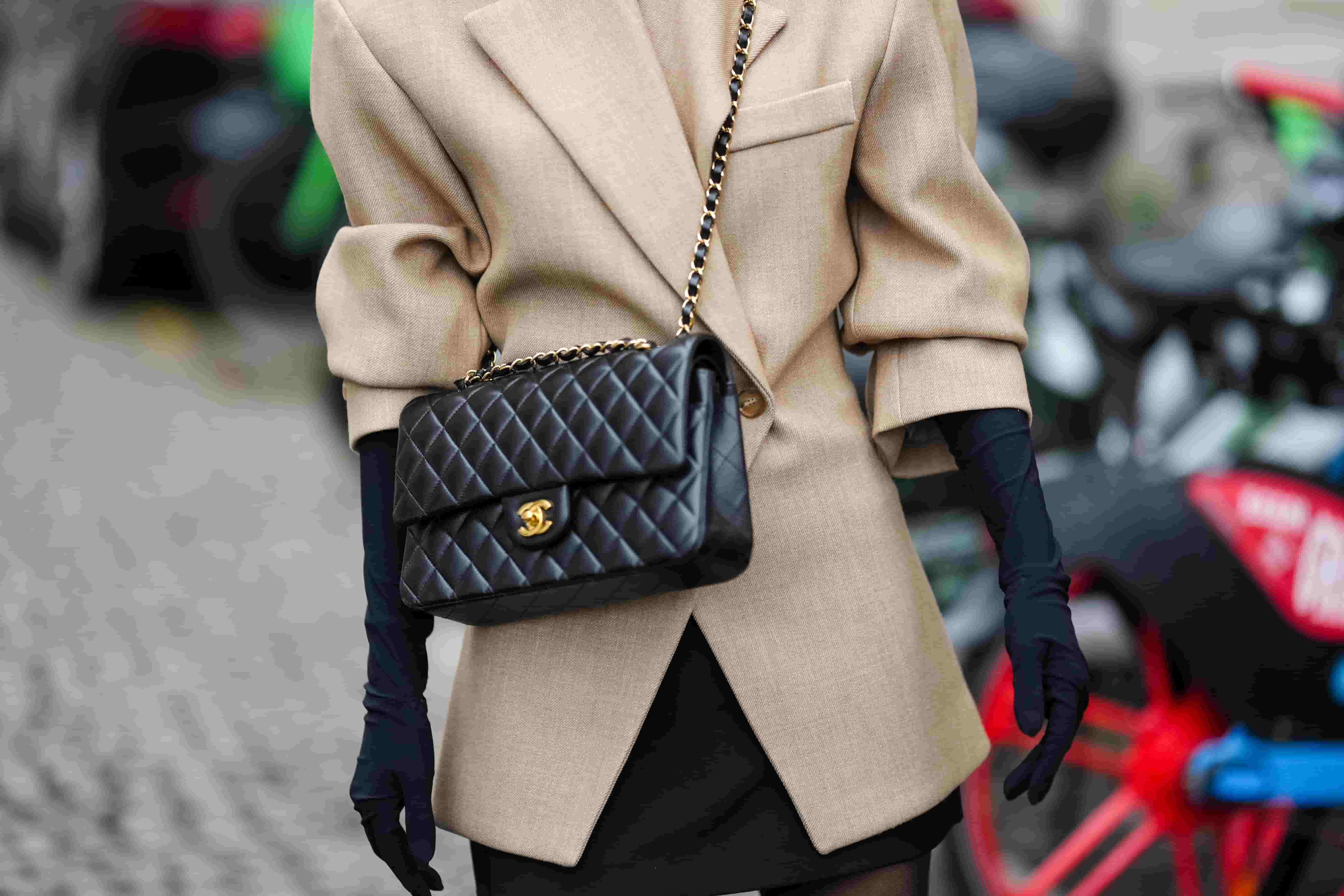
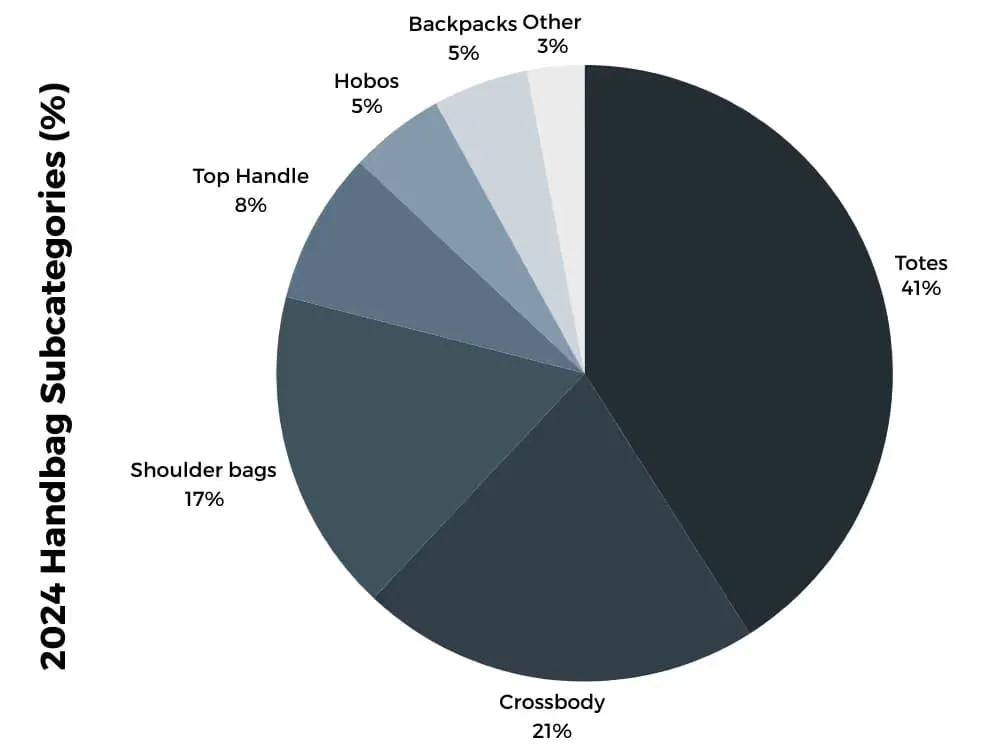
Crossbody bags, with their functionality and fashionable appeal, have long become a very important niche category in the global handbag market. According to the analysis data from JOOR in 2024, crossbody bags accounted for 21% of the handbag market, ranking second only to Tote Bags, which is sufficient to reflect its popularity.
So, what are the most popular crossbody bag designs for 2026?
1. Crescent Crossbody Bags
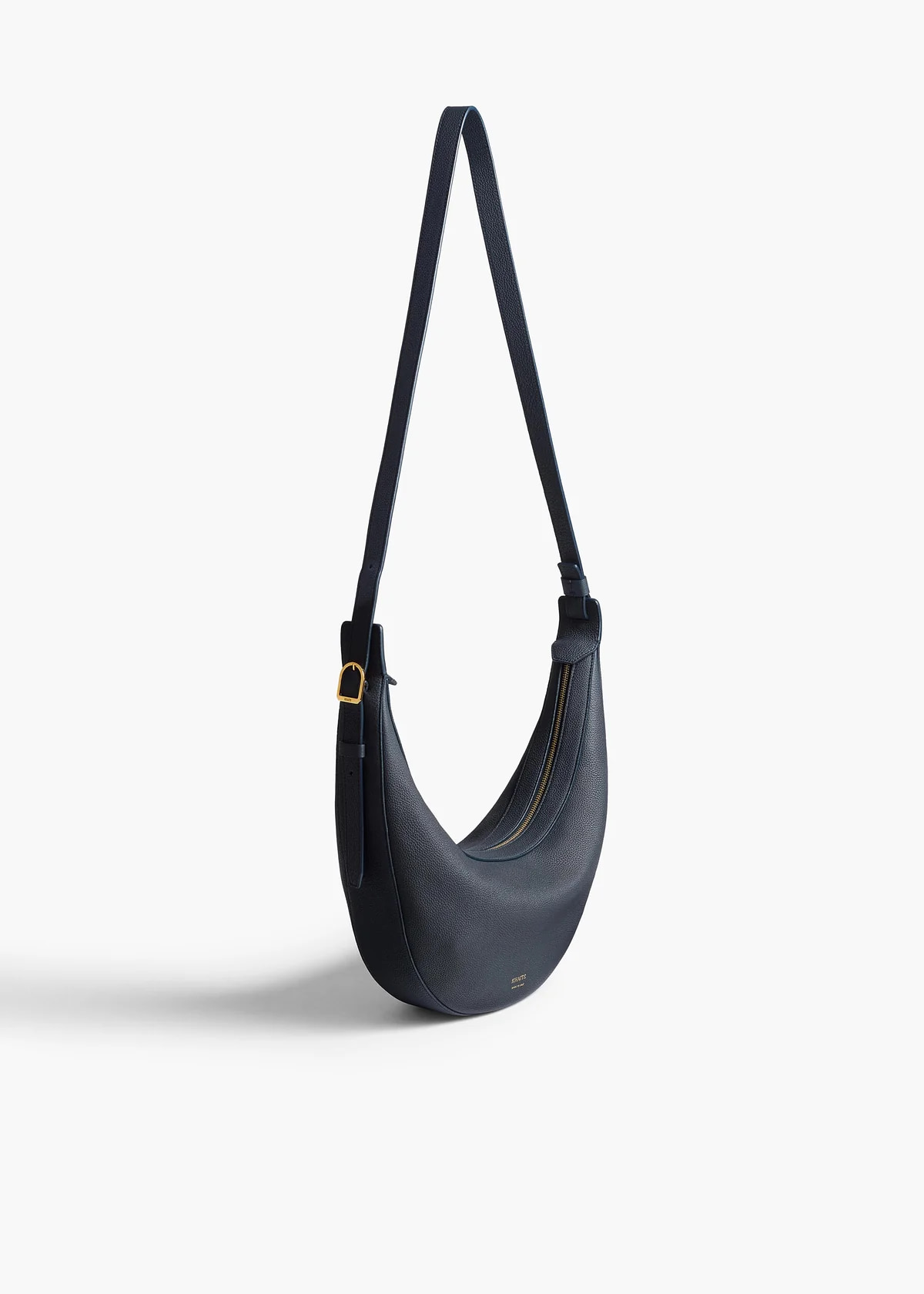
The half-moon shape has long been one of the most recognizable silhouettes for crossbody bags.
In its report on handbag trends for the autumn and winter of 2026, Vogue directly listed "Half Moon Shapes" as a key trend and pointed out that the crescent silhouette can be seen as a more sculptural evolution of the traditional slouchy Bag.
The primary characteristics of the crescent crossbody are its downward-curving body and naturally flowing curves, giving it an overall silhouette resembling a crescent or half-moon. Compared to traditional square crossbody bags, this design reduces the rigid straight lines, fully showcasing fashionable individuality.
Meanwhile, the development space for the crescent silhouette is vast. By adjusting the curvature, size, softness and hardness, as well as the material of the bag body, it can present a casual, light luxury, or more structured style, making it ideal for serialized products.
Best Representation: Khaite Augustina Crossbody Bag
2. Minimalist Crossbody Bags
Minimalist design has a stable market across all types of handbags. In the realm of crossbody bags, brands such as The Row and Celine offer the best interpretations of this style.
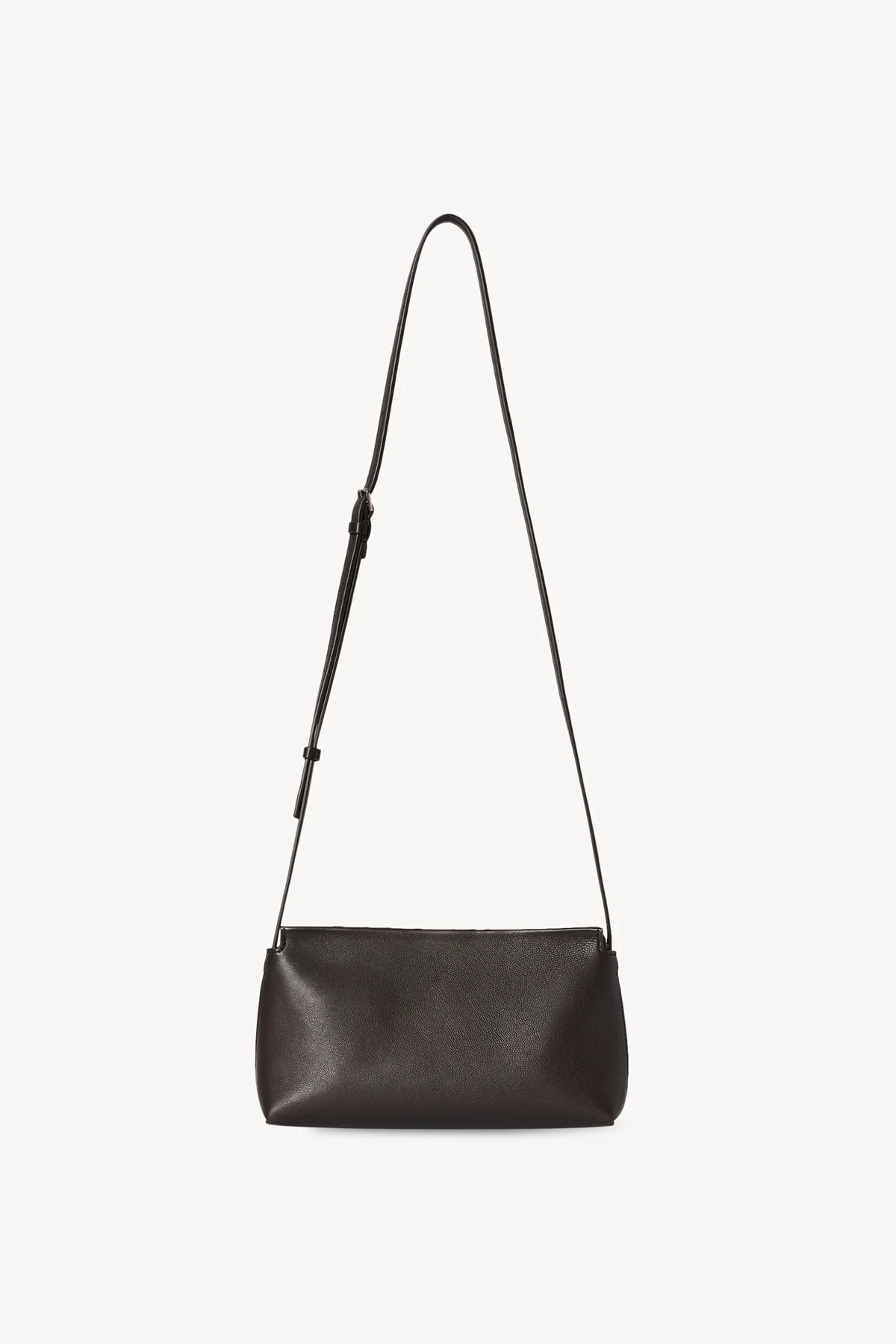
For crossbody bags, this minimalist trend does not mean a lack of innovation, but rather a shift in focus from obvious decoration to silhouette, material, and detail proportion. Common characteristics include a sleek body structure, understated or concealed hardware, narrow shoulder straps, and color schemes such as black, brown, and taupe that easily blend into everyday outfits. This understated aesthetic design is ideal for commuting, daily travel, and various clothing styles.
Best Representation: The Row Rene Crossbody Bag
3. Personalized Hardware Crossbody Bags
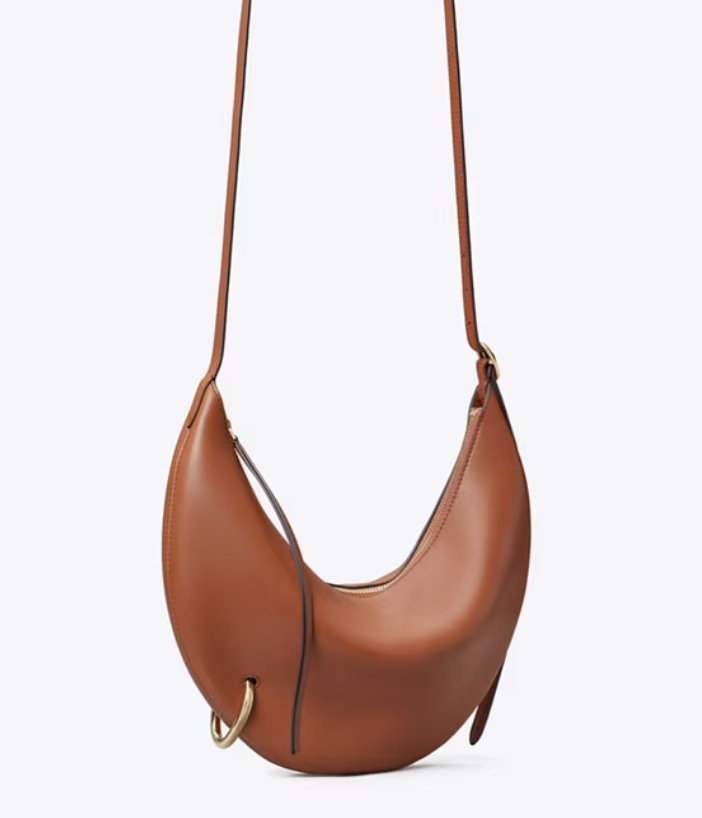
In recent years of handbag design, hardware has moved beyond merely serving as functional accessories for connection or fixation, and has begun to play a more prominent decorative role. In crossbody bags, this trend is often manifested as eye-catching metal rings, chains, or other distinctive hardware elements.
Unlike traditional concealed or understated hardware, this type of design intentionally amplifies the visual relationship between the hardware and the bag body, transforming an originally functionally-oriented accessory into the design focal point of the entire bag. Brands such as Tory Burch, Chloé, Ferragamo, and Givenchy have all introduced different forms of designs under this style.
Best Representation: Tory Burch Pierced Crossbody Bag
4. Structured Crossbody Bags
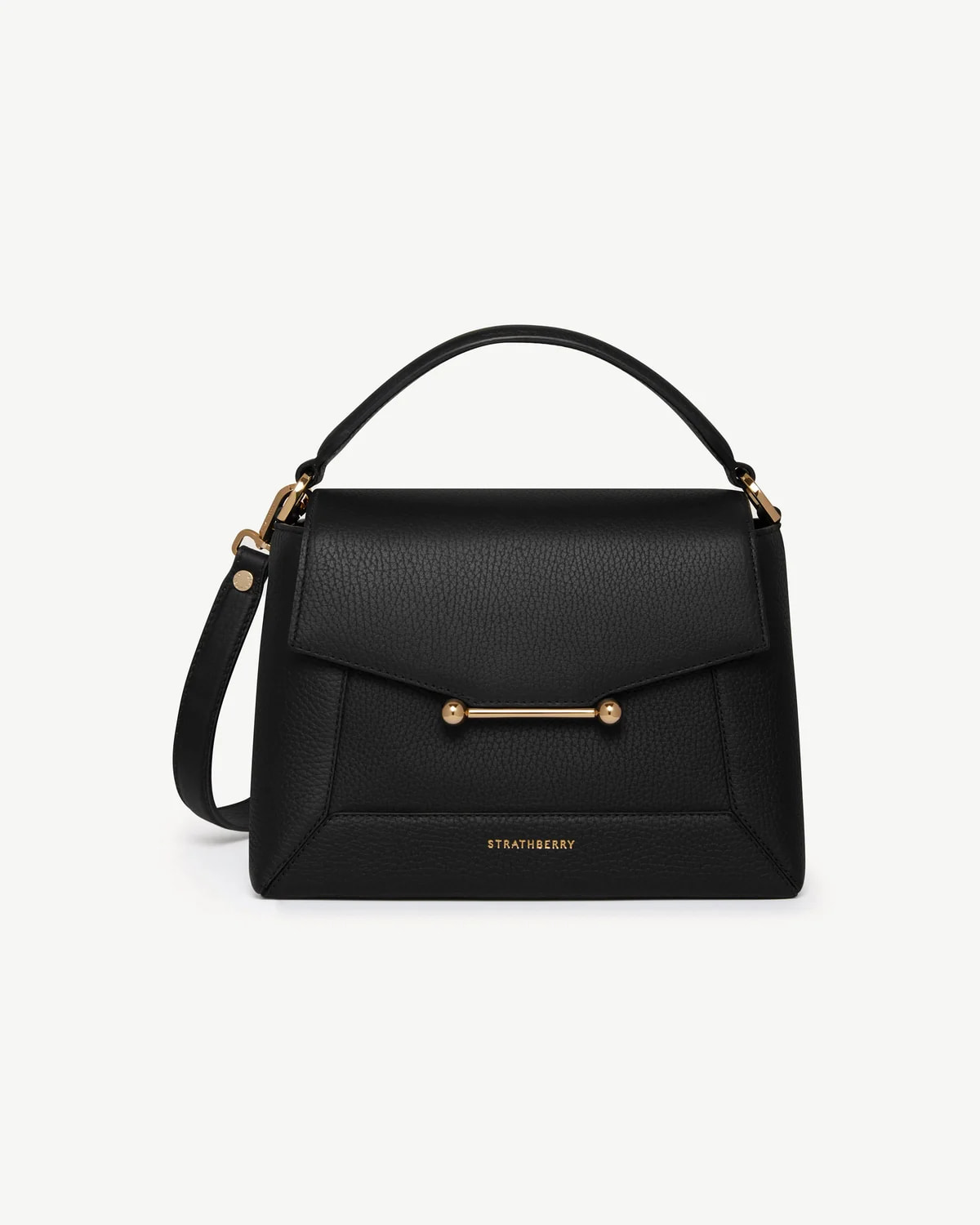
In its report on handbag trends for the autumn and winter of 2026, Marie Claire pointed out that structured satchels are becoming a silhouette that attracts much attention this season. Brands such as Prada, Hermès, Dior, Gucci, and Chanel have all adopted more crisp and neat bag shapes in their product designs this year.
In crossbody bags, structured design typically manifests as a crisp bag body, distinct edge lines, and neat geometric contours. This type of design gives a more sleek and elegant visual effect, making it particularly suitable for the business and light luxury markets. For brands, developing products with a more distinct styling through elements such as stiff leather, body contour, and hardware proportion can establish a clearer product positioning.
Best Representation: Strathberry Mosaic Bag
5. Statement-Strap Crossbody Bags
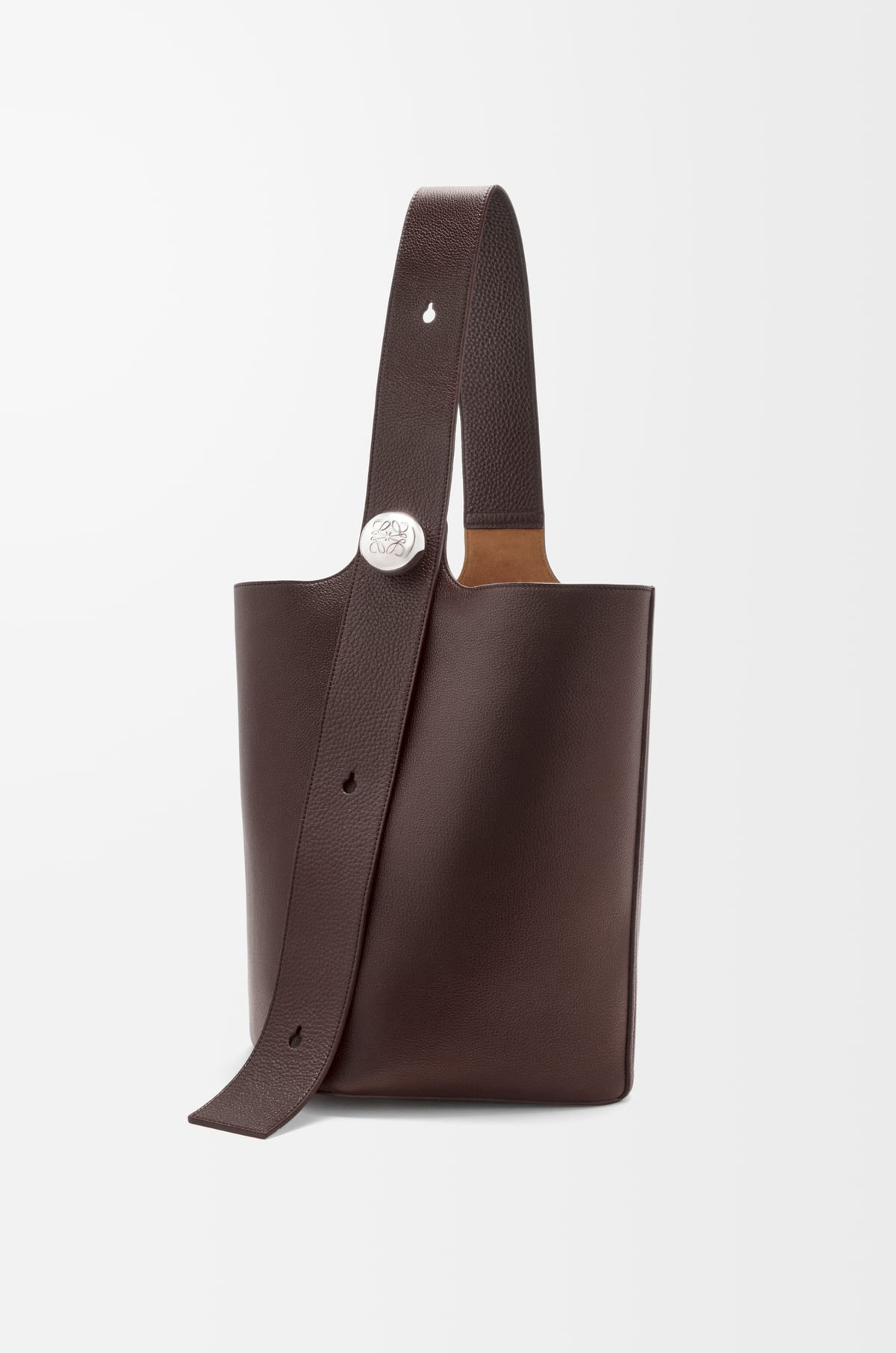
In the past, shoulder straps mainly served as a connecting function to the body of the bag. In recent years, however, many brands have started to focus on the design of shoulder straps, allowing them to serve more visual functions. The biggest trend in this style is that the bag body, shoulder strap, and hardware together form a complete visual system.
This design is particularly suitable for crossbody bags, as the shoulder strap usually spans the body and occupies a large visual area. When the shoulder strap has distinct characteristics in terms of width, texture, or color, even if the bag body adopts a relatively simple contour, it can still form a more distinctive visual identity. Compared to solely relying on changing the body or decoration, adjusting the shoulder straps can add a new level of design to the product without altering the basic bag shape. It also facilitates the brand in creating a series of products through different shoulder strap designs.
Best Representation: LOEWE Pebble Bucket
6. Soft & Relaxed Crossbody Bags
In its summer 2026 handbag trend forecast, Vogue directly emphasized this trend with the phrase "The Slouchier, the Better". Harper's Bazaar also listed "Soft and Slouchy" as one of the autumn and winter handbag trends.
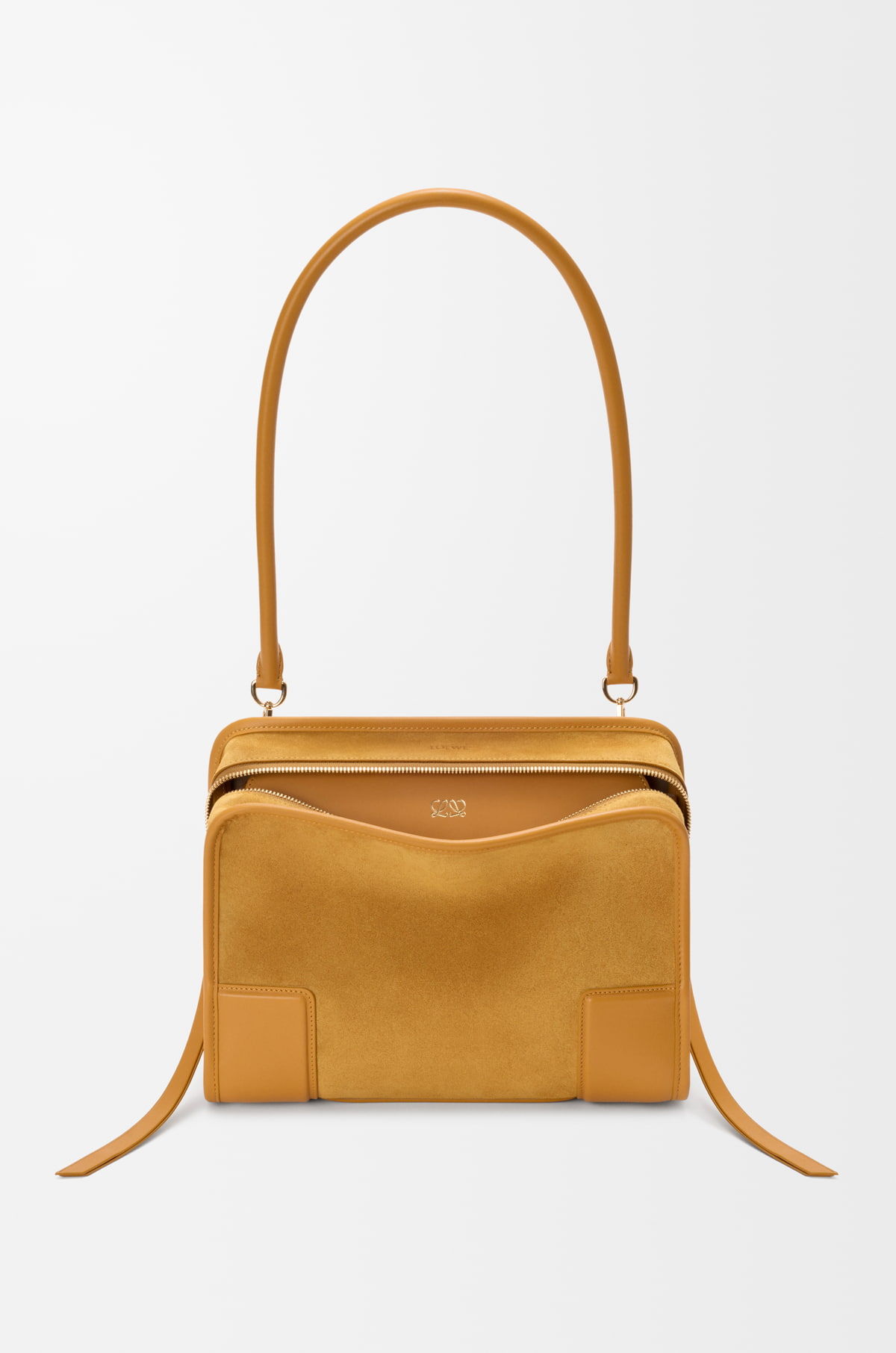
In crossbody bags, the Soft & Relaxed design typically emphasizes a naturally draped body, minimal internal support, and a more casual silhouette. By allowing the bag body to naturally adapt to its contents and the way it is carried, it creates a more relaxed, everyday visual effect, making it ideal for casual and urban lifestyle scenarios. For brands, this type of design is particularly suitable for developing lifestyle-oriented product lines.
Best Representation: LOEWE Amazona 180
Conclusion: From Trends to Product Development
From the design trends of crossbody bags this year, it can be seen that they will not be limited to a certain style in the future, but will exhibit more diverse variations. Elements such as contour, material, hardware, and shoulder strap will be the direction for innovation in crossbody bags. Traditional forms are constantly changing to meet consumers' demands for functionality and personalization.
For brand owners and buyers, the value of trends goes beyond merely following popular elements, as trends are constantly evolving. What truly matters is finding a design direction that aligns with one's own positioning.
For bag manufacturers, this also implies that future development of crossbody products will require stronger design transformation capabilities, making everything from concept to prototyping, as well as material and process selection, more challenging.
Related Reading