 EN
EN


בחירת תיק גב נוח למסעות הרפתקאות עלול להוות את ההבדל בין מסע נוח לחוויה מרגיזת שמתלווה לרפיון ולקשיים. מטיילים מודרניים המבצעים מסעות הרפתקאות מתמודדים עם אתגרים ייחודיים הדורשים מאגף הגב שלהם תכונות ספציפיות, החל משבילים הרריים קשיחים ועד לסביבות עירוניות צפופות. הבנת התכונות שבעצם חשובות באמת עוזרת להבטיח שתיק הגב שלכם ישמש כשותף מהימן לאורך כל ההרפתקאות שלכם.
המורכבות של נסיעות הרפתקה דורשת שיקול מחודש של מספר גורמים בעת בחירת הציוד שלכם. התיק לנסיעה בהרפתקאות חייב לאזן בין עמידות למשקל, לספק ארגון ללא הוספת נפח, ולתת הגנה תוך שמירה על נגישות. דרישות סותרות אלו יוצרות תהליך בחירה מאתגר, אך התמקדות בתכונות חיוניות עוזרת לצמצם את האפשרויות ולמצוא את התאמה המושלמת לסגנון ההרפתקאות הספציפי שלכם.
תכונות של עמידות ובקרת מזג אוויר
תקנים לחומר הבנייה
הבסיס של כל תיק נסיעות הרפתקאות מהימן הוא הבנייה החומרית שלו, אשר קובעת עד כמה הוא עמיד בתנאים קשים ובשימוש חוזר. בדידים מניילון בעלי צפיפות גבוהה (High-denier nylon), בדרך כלל בטווח של 420D עד 1000D, מספקים את האיזון האופטימלי בין עמידות למשקל עבור רוב מצבי ההרפתקאות. חומרים אלו מתנגדים לקולבים הנגרמים מסלעים חדים, צמחייה קוצנית ומשטחים מחוספסים הנפגשים לעיתים קרובות במהלך הרפתקאות בחוץ.
תבניות אריג ריפסטופ משפרות את חוזק הבד על ידי מניעת התפשטות של קרעים קטנים לפגמים גדולים יותר. טכניקת האריגה הזו מוכחת כמועילה במיוחד כאשר תיק הטיול המתקדם שלך נתקל בקרעי פתאומי או בהשפעות לא צפויות במהלך ניווט בשטח מאתגר. האריגה יוצרת תבנית רשת שמכילה את הנזק, מה שמאפשר לתיק לשמור על שלמותו המבנית גם לאחר פריצות קלות.
פלטות עזר במיקומים בעלי מתח גבוה, כולל אזורים שבהם מחוברים ремיסי הכתפיים, פאנלים תחתונים ופינות הסנירים, מאריכות באופן משמעותי את תוחלת החיים של תיק הטיול המתקדם שלך. עזרות אלו מפצלות את כוחות העומס על שטחים גדולים יותר, ומונעות מתח מרוכז שיכול להוביל לאי-תפקוד החומר במהלך שימוש ממושך.
מערכות רתומה והגנה
יכולות עמידות למטאורולוגיה קובעות האם הציוד שלכם נשאר יבש ותפקודי במהלך סופות לא צפויות או חציית מקורות מים. שכבת איטום איכותית, כגון פוליאוריטן או טיפול בסיליקון, יוצרת מחסום שדוחה לחות תוך שמירה על נושמת של הבד. עם זאת, הבנת ההבדל בין דירוגי עמידות למים לעמידות מוחלטת למים עוזרת לקבוע את הציפיות המתאימות לביצועי התיק לשימוש בנסיעות הרפתקאות.
בנייה עם תפרים מוצפים מונעת חדירת מים דרך חורים בתפרים, ויוצרת מחסום רציף סביב כל מבנה התיק. שיטה זו כוללת הצבת סרט איטום או חומר איטום נוזלי לאורך כל התפרים התופרים, כדי להבטיח שהחורים שנעשים על ידי המחט לא ישפיעו לרעה על עמידות התיק למטאורולוגיה.
מכסים משולבים נגד גשם מספקים הגנה נוספת בתנאי מזג אוויר קשים, ומכסים לחלוטין את תיק הטיולים האדVentוריסטי שלך במעטפת ותדה.
יכולות נפח וארגון
אסטרטגיות לאופטימיזציה של הנפח
בחירת הנפח המתאים מבטיחה שתיק הטיולים האדVentוריסטי יכיל את הציוד הדרוש בלי שיתפזר או שיעודד לחבוש יותר מדי. לרוב הטיילים האדVentוריסטיים נפח של 35–50 ליטר הוא אידיאלי למסעות של מספר ימים, ונותן מקום מספיק לציוד החיוני תוך שמירה על ניידות גם במהלך מסעות הליכה ארוכים. עם זאת, דרישות הנפח משתנות באופן משמעותי בהתאם לאורך המסע, לתנאי האקלים ולהעדפות האישיות בנוגע לציוד.
עיצובים ניתנים להרחבה מציעים גמישות לצורך דרישות עומס משתנות, מה שמאפשר לתיק ההליכה המרחבית שלכם להתכווץ עבור עומסים קלים יותר או להתרחב כדי לאפשר אחסון של ציוד נוסף כשמזדמן. מערכות אלו משתמשות בדרך כלל בסגירות חוט מתיח או הרחבות רוכסן שמגדילות את הקיבולת ב-10–15% ללא פגיעה בשלמות המבנית של התיק או בתכונות האיזון שלו.
חלוקת הנפח הפנימי משפיעה על יעילות האריזה והגישה לציוד במהלך המפגשים שלכם. המדורים העיקריים צריכים לספק מקום אריזה בלתי מוגבל לפריטים גדולים יותר, תוך שמירה על שלמות הצורה גם כאשר הם מלאים חלקית. איזון זה מבטיח שהתיק ההליכה המרחבית שלכם יתפקד היטב במגוון סצנות אריזה.
יתרונות תצורת המדורים
מערכות מרובות תאים מאפשרות ארגון יעיל על ידי סיפוק מרחבים מיוחדים לקטגוריות שונות של ציוד. תאים נפרדים לשקי שינה, לבוש, מכשירים אלקטרוניים ומזון מונעים מהפריטים לזוז במהלך הנסיעה ומשפרים את הנגישות כאשר יש צורך במהירות לפריט מסוים. ארגון זה הופך לבעל ערך מיוחד במהלך הרפתקאות רב-יומיות, שבהן חשובה יעילות החידוש באיסוף המטען.
הגישה דרך הפאנל הקדמי מבטלת את הצורך לאפס את כל התכולה בעת חיפוש פריטים מהתחתית של תיק ההליכה וההרפתקאות שלך. תכונה זו הופכת לבלתי נדלה במהלך ימי הליכה ארוכים, כשאתה צריך לגשת לשכבות בגדים, מזון או ציוד ללא הפרעה למערכת האיסוף הכוללת שלך. גישה דרך פאנל כוללת בדרך כלל רוכסן גדול שפותח את הפאנל הקדמי או הצדדי של המדור העיקרי.
נקודות התחברות חיצוניות מספקות אפשרויות לקישור ציוד שאינו נכנס לתאים העיקריים או שדורש גישה מהירה. רצועות קשירה מסוג 'שרשרת דיזי' (Daisy chain), רצועות דחיסה ומערכות גומיות (bungee) מאפשרות להתאים את תצורת התיק למסעות הרפתקה שלכם בהתאם לדרישות הספציפיות של הטיול ולהעדפות האישיות שלכם ביחס לציוד.
מאפייני נוחות וארגונומיה
עיצוב מערכת התלייה
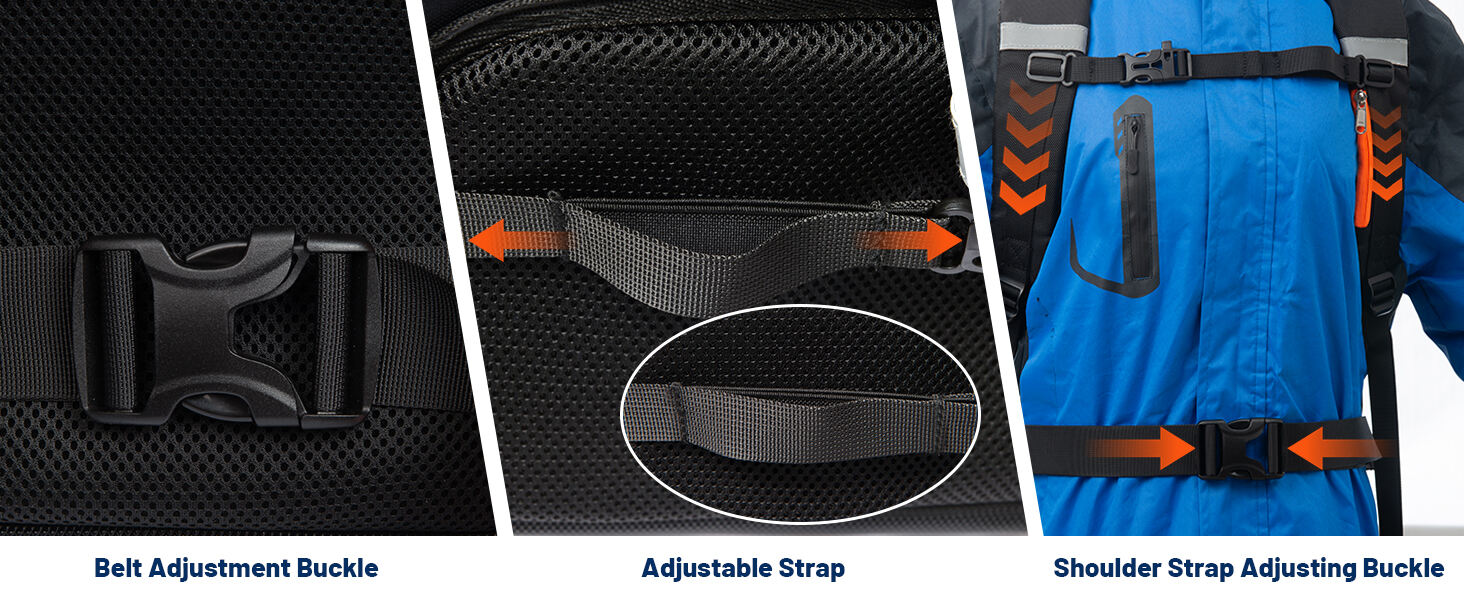
מערכות תלייה מתקדמות מפזרות את המשקל באופן אחיד לאורך הגוון, מקטינות נקודות לחץ ומונעות עייפות במהלך תקופות נשיאה ממושכות. אורכי גוון ניתנים להתאמה כדי להתאים את המערכת לפרופורציות הגוף השונות, ומבטיחים שהתיק למסעות הרפתקה יתאים לכם בצורה מושלמת ללא קשר לגובהכם או לבניית גופכם. התאמה נכונה מונעת הזזה של המטען שיכולה לגרום לבעיות באיזון על טריטוריות מאתגרות.
חגורות מותניים נושאות משקל מעבירות את המשקל מהכתפיים לשרירים החזקים יותר של המותניים והרגליים, ובכך מפחיתות באופן דרמטי את הלחץ על הגוף העליון במהלך מסעות הליכה ארוכים. חגורות מותניים מפולטות עם זוויות ניתנות להתאמה מתאימות לצורות גוף שונות ומספקות העברה יציבה של המשקל. הפצת המשקל הזו הופכת קריטית כאשר נושא/ת את תיק ההליכה לאדベン처 שלך במשך שעות או ימים רבים.
לוחות גב מאווררים יוצרים תעלות זרימת אוויר שפוחתות את הצטברות החום והלחות נגד הגב. מערכות אלו משתמשות בדרך כלל בלוחות רשת או בעיצוב גב תלוי שמתחזיק את המרחק בין התיק לגוף, ובכך משפרות את הנוחות במהלך מסעות אדвен처 בחום או פעילויות הדורשות מאמץ גבוה.
תצורות ремיסים ופוליאנים
רצועות הכתפיים המותאמות לעקמומיות הטבעית של הכתפיים והצלעות מפזרות את הלחץ על שטחים גדולים יותר, כדי למנוע נקודות לחץ ותסכול. זוויות הרצועות הניתנות להתאמה מאפשרות התאמת מדויקת של הנחיתה והתפלגות המטען, תוך התאמה לצורות גוף שונות ולהעדפות נשיאה שונות. חומרי הקיפוד באיכות גבוהה שומרים על תכונות הק Cushioning שלהם לאורך זמן, בלי להוסיף נפח מיותר לתיק ההליכה שלך.
רצועות עליונות להנעת המטען מחברות את חלקו העליון של רצועות הכתף לחלק העליון של מסגרת התיק, ומקרבות את המטען למרכז הכובד שלך. התאמה זו משפרת את האיזון ומקטינה את תחושת המשקל שמתעכב לאחור, במיוחד חשובה בעת מעבר בשטחים תלולים או טכניים עם תיק ההליכה שלך.
רצועות החזה מיצבות את רצועות הכתפיים ומונעות מהן להחליק החוצה במהלך תנועה, ומשמרות את הפצת המטען בצורה נכונה גם במהלך פעילויות דינמיות. רצועות חזה ניתנות להתאמה כדי להתאים לגופים שונים ולאפשר אופטימיזציה של המיקום בהתאם להעדפות הנוחות האישיות ואל דפוסי הנשימה.
נגישות ותכונות פונקציונליות
אפשרויות נקודת כניסה
מספר נקודות גישה מספקות גמישות עבור אסטרטגיות אריזה שונות וצרכי אחזור של פריטים לאורך הרפתקה שלך. עיצובי הכניסה מלמעלה מציעים יעילות מקסימלית באריזה והגנה מפני מזג אוויר, מה שהופך אותם לאידיאליים לגישות אריזה מינימליסטיות או לתנאי לחות. עם זאת, הגישה לפריטים בתחתית דורשת פתיחת השכבות העליונות, מה שיכול להיות לא נוח בעת שימוש פעיל בתיק. תרמיל נסיעות אדיבנטורה .
תצוגות הטעינה של הפאנלים מספקות גישה כמו מזוודה לחלון הראשי, המאפשרת לך לראות ולהגיע לכל התוכן מבלי להפריע פריטים אחרים. סגנון גישה זה מתברר בעל ערך במיוחד במהלך טיולים של ימים רבים שבהם אתה צריך לאתר פריטים ספציפיים במהירות או לארגן מחדש ציוד לעתים קרובות. גישה לצינור כרוכה בדרך כלל במערכות רוכסן גדולות יותר שעלולות לדרוש הגנה יותר זהירה מפני מזג אוויר.
רוכסי גישה בתחתית מאפשרים את איסוף שקית השינה או אוהל ללא פתיחת המתחם הראשי, שמירה על ארגון תוך מתן גישה מהירה לדברים הנדרשים לעתים קרובות. תכונה זו מתבררת בעלת ערך מיוחד במהלך תרחישי קמפינג שבו אתה צריך להגדיר או לפרק את המחנה במהירות תוך שמירה על ציוד אחר מאורגן בתיק הגב של מסע הרפתקאות.
מערכות כיס מיוחדות
תאימות להידרציה מבטיחה שתוכלו לשמור על נטילת נוזלים מתאימה במהלך הרפתקאות ממושכות ללא עצירה כדי לשלוף בקבוקי מים מהמגירות של התיק. כיסי הידרציה הפנימיים מתאימים למיכלי מים, בעוד שמערכות ההובלה מדריכות את צינורות השתייה למקומות נוחים. אינטגרציה זו מאפשרת גישה להידרציה ללא צורך בשימוש בידים, מה שחיוני בעת ניווט באזורים קשים או פעילויות טיפוס.
כיסי חגורה על המותניים מספקים אחסון נוח לפריטים שמשתמשים בהם לעיתים תכופות, כגון סנדוויצ'י אנרגיה, מפות או מכשירים אלקטרוניים, ומכניסים פריטים חיוניים תוך ריחוק קל מבלי שיהיה צורך להסיר את התיק. הכיסים הללו חייבים להיסגר באופן בטוח כדי למנוע איבוד פריטים במהלך תנועה דינמית, אך עם זאת יש להשאיר אותם נגישים בקלות באמצעות פעולה אחת ביד.
טבעות הרכבה לכלי עבודה וטבעות לציוד מספקות נקודות הרכבה אמינות לציוד שדורש גישה מהירה או שאינו מתחבא טוב בתוך המגירות. קוראות קרח, מקלות הליכה וציוד חיצוני יכולים להיקשר באופן אמין תוך כדי שהן נשארות זמינות לשימוש מיידי כאשר התנאים משתנים במהלך המסע המרתק עם השקית הגב.
שאלות נפוצות
באיזו גודל שקית גב מרתקת יש להשתמש למסע בן שבוע?
למסעות בני שבוע, רוב המטיילים מוצאים ששקי גב מרתקים בקיבולת של 45–65 ליטר מספקים מקום מספיק לבגדים, ציוד שינה ופריטים חיוניים, בלי להיות כבדים מדי. הקיבולת הספציפית שאתם צריכים תלויה בגורמים כגון תנאי האקלים, סוגי האירוח וההעדפות האישיות שלכם לגבי הציוד. שימו לב כי קיבולת גדולה יותר עלולה לעודד אריזה מופרזת, מה שיגרום למשקל מיותר ולפחת בתמרון במהלך המסעות שלכם.
מהי החשיבות של המשקל בבחירת שקית גב מרתקת?
המשקל של התיק גב משפיע באופן משמעותי על הנוחות והסיבולת שלכם במהלך הרפתקאות שמתמשכות מספר ימים, כאשר כל אונקיה תורמת לאי-נוחות לאורך מסלולים ארוכים. תיקי גב איכותיים להרפתקאות ניידות בדרך כלל שוקלים בין 1.4–2.3 ק"ג, וקיימות אפשרויות קלות יותר עבור חובבי ההליכה הקלה ביותר. עם זאת, עיצובים קלים במיוחד עלולים להתפשר על עמידות או תכונות, ולכן יש לאזן את שיקולי המשקל עם דרישות ההרפתקה הספציפיות שלכם ועם צרכים להגנה על הציוד.
האם ניתן להשתמש באותו תיק גב להרפתקאות ניידות בסוגים שונים של נסיעות?
עיצובים רב-תכליתיים של תיקי גב למסעות הרפתקאות מתאימים לסוגי מסעות מגוונים באמצעות תכונות מודולריות ותצורות מתאמות, מה שהופך אותם מתאימים לטיולי הליכה, למסעות ולהרפתקאות בחוץ. חפשו תיקי גב עם רכיבים ניתנים להסרה, נקודות גישה מרובות ומערכות היצמדות גמישות שמתאמות את עצמן למגוון מצבים. עם זאת, פעילויות متخصصות כמו טיפוס טכני או מסעות ממושכים באזורי בר קדום עשויים להפיק תועלת מעיצובים מיוחדים שמאופטמים לצרכים ספציפיים.
אילו פעולות תחזוקה דורשת התיק למסעות הרפתקאות שלי?
ניקוי קבוע ואחסון תקין מאריכים את תקופת חייו של התיק למסעות הרפתקאות, תוך שמירה על ביצועיו והיגיינה שלו. נקו את התיק בסבון עדין ומים לאחר כל מסע, והקפידו לנקות את הסנירים, הקפיצים ואת האזורים הנמצאים בשימוש כבד. השמה מחודשת של מצפים נגד מים במרווחי זמן קבועים שומרת על הגנת התיק מפני מזג אוויר, ואחסון תקין במיקומים קרים ויבשים מונע פגיעה בבד ובחלקי המתכת בין מסע למסע.