 EN
EN


अपनी एडवेंचर ट्रैवल बैकपैक के लिए सही आकार का चयन करना आपके पूरे अभियान को सफल या विफल बना सकता है। चाहे आप कई दिनों तक चलने वाली हाइकिंग यात्रा पर निकल रहे हों या महाद्वीपों के पार बैकपैकिंग के दौरान भीड़-भाड़ वाली शहरी सड़कों पर घूम रहे हों, आपके बैग के आयाम और क्षमता सीधे आपके आराम, गतिशीलता और समग्र यात्रा अनुभव को प्रभावित करते हैं। यह समझना कि आकार कैसे कार्यक्षमता को प्रभावित करता है, आपको उस एडवेंचर ट्रैवल बैकपैक का चयन करने में सहायता करेगा जो आपकी विशिष्ट यात्रा आवश्यकताओं और व्यक्तिगत यात्रा शैली के सटीक रूप से मेल खाता हो।
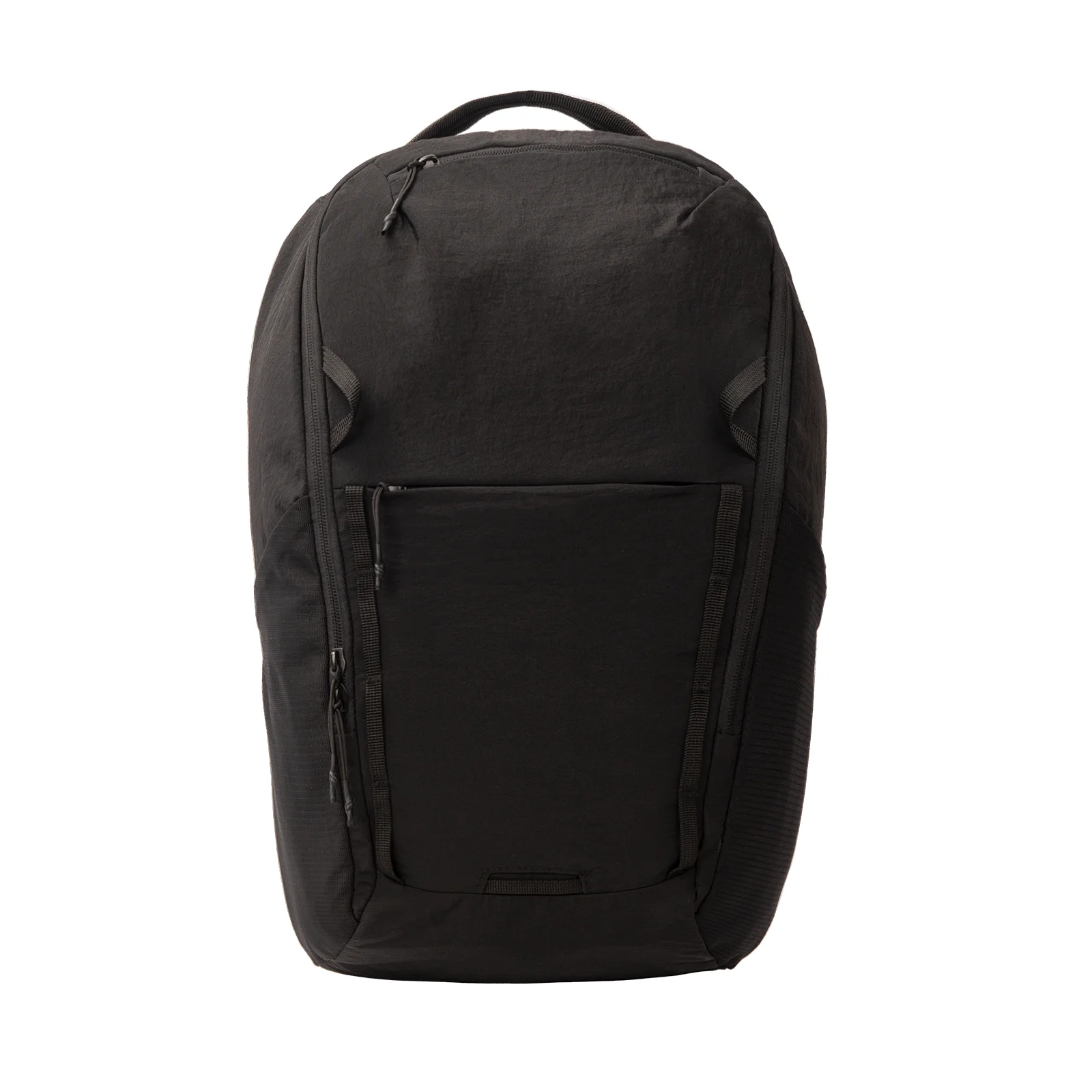
एडवेंचर ट्रैवल बैकपैक क्षमता वर्गीकरण को समझना
दिन भर की एडवेंचर के लिए छोटी क्षमता वाले बैग
छोटे एडवेंचर ट्रैवल बैकपैक आमतौर पर 20 से 35 लीटर के बीच होते हैं, जिससे वे दिनभर की हाइकिंग, शहरी अन्वेषण और छोटी रात्रि यात्राओं के लिए आदर्श हो जाते हैं। ये संकुचित बैग गतिशीलता और फुर्तीलेपन को प्राथमिकता देते हैं, साथ ही आवश्यक उपकरणों के लिए पर्याप्त स्थान भी प्रदान करते हैं। कम आकार के कारण यात्री कठिन भूभाग या भीड़-भाड़ वाले परिवहन प्रणालियों में नेविगेट करते समय बेहतर संतुलन और गतिशीलता बनाए रख सकते हैं।
उन एडवेंचर प्रेमियों के लिए जो न्यूनतम पैकिंग दृष्टिकोण को पसंद करते हैं, छोटी क्षमता वाले बैग ध्यानपूर्ण उपकरण चयन और कुशल संगठन को प्रोत्साहित करते हैं। ये बैग उन एडवेंचर्स के लिए अत्यधिक प्रभावी हैं जहाँ आवास और भोजन आसानी से उपलब्ध होते हैं, जिससे व्यापक कैंपिंग उपकरण या भोजन की आपूर्ति को ले जाने की आवश्यकता समाप्त हो जाती है।
विस्तारित यात्राओं के लिए मध्यम क्षमता विकल्प
मध्यम आकार के साहसिक यात्रा बैकपैक, जो 40 से 60 लीटर के बीच होते हैं, वहन क्षमता और पोर्टेबिलिटी के बीच एक उत्कृष्ट संतुलन बनाते हैं। यह आकार श्रेणी अधिकांश बहु-दिवसीय साहसिक यात्राओं को समायोजित करने में सक्षम है, जबकि विभिन्न परिवहन साधनों के लिए इन्हें संभालना आसान बनाए रखती है। यात्री आवश्यक कैंपिंग उपकरण, अतिरिक्त कपड़ों की परतें और आपातकालीन आपूर्ति को बिना अत्यधिक भार के बोझ के ले जा सकते हैं।
ये मध्य-श्रेणी के बैकपैक विविधता में उत्कृष्ट प्रदर्शन करते हैं और सप्ताहांत कैंपिंग यात्राओं से लेकर एक सप्ताह तक की ट्रेकिंग अभियानों जैसे विभिन्न साहसिक परिदृश्यों के अनुकूल होते हैं। अतिरिक्त स्थान ऋतु-आधारित उपकरणों के परिवर्तन की अनुमति देता है, जबकि बैकपैक की फ्रेम प्रणाली पर भार का उचित वितरण बनाए रखा जाता है।
विस्तारित अभियानों के लिए बड़ी क्षमता वाले बैकपैक
65 लीटर से अधिक के बड़े एडवेंचर ट्रैवल बैकपैक लंबी अभियानों, दूरस्थ वन्य क्षेत्रों के साहसिक अन्वेषणों और विस्तृत उपकरण भार की आवश्यकता वाली परिस्थितियों के लिए उपयुक्त होते हैं। ये बड़े बैग पूर्ण कैंपिंग सेटअप, कई कपड़ों के सेट, व्यापक भोजन आपूर्ति और कठिन वातावरणों के लिए विशिष्ट उपकरणों को समायोजित करने में सक्षम होते हैं।
अधिकतम भंडारण क्षमता प्रदान करने के बावजूद, बड़े बैगों के संबंध में भार वितरण और शारीरिक क्षमता के संबंध में सावधानीपूर्ण विचार की आवश्यकता होती है। बड़े आकार के कारण परिवहन के विकल्प सीमित हो सकते हैं और लंबी दूरी तक आराम से प्रबंधित करने के लिए मजबूत शारीरिक फिटनेस की आवश्यकता होती है।
आकार का आराम और शरीर-विज्ञान पर प्रभाव
भार वितरण के सिद्धांत
आपके एडवेंचर ट्रैवल बैकपैक सीधे तौर पर आपके शरीर पर भार के वितरण को प्रभावित करता है जब आप गति में होते हैं। बड़े बैगों के लिए भार को कंधों से कमर तक प्रभावी ढंग से स्थानांतरित करने के लिए अधिक उन्नत निलंबन प्रणाली की आवश्यकता होती है, जिससे लंबे समय तक वहन करने के दौरान थकान कम होती है और चोट लगने का खतरा कम होता है। जैसे-जैसे बैग का आकार बढ़ता है, उचित भार वितरण का महत्व भी बढ़ता जाता है।
छोटे बैग प्राकृतिक रूप से वजन को आपके शरीर के केंद्र के निकट केंद्रित करते हैं, जिससे स्थिरता में सुधार होता है और सहायक मांसपेशियों पर दबाव कम होता है। यह निकटता तकनीकी भूभाग की खोज के दौरान संतुलन को बढ़ाती है, जबकि आपके प्राकृतिक गति पैटर्न पर बैग के प्रभाव को न्यूनतम करती है।
टॉर्सो की लंबाई की संगतता
एडवेंचर ट्रैवल बैकपैक का आकार आपके व्यक्तिगत टॉर्सो के माप के अनुरूप होना चाहिए, ताकि इष्टतम आराम और प्रदर्शन सुनिश्चित किया जा सके। विभिन्न बैकपैक आकार एडजस्टेबल सस्पेंशन सिस्टम या आकार-विशिष्ट फ्रेम विकल्पों के माध्यम से विभिन्न टॉर्सो लंबाइयों को समायोजित करते हैं। उचित टॉर्सो फिट होने से भार वहन करने वाले घटक सही ढंग से आपके शरीर के प्राकृतिक भार-स्थानांतरण बिंदुओं के साथ संरेखित हो जाते हैं।
टॉर्सो की लंबाई के सापेक्ष गलत बैकपैक आकार के कारण दबाव बिंदु उत्पन्न हो सकते हैं, वहन दक्षता कम हो सकती है, और लंबे समय तक असहजता हो सकती है। लोड किए गए अवस्था में विभिन्न आकारों का परीक्षण करने से बैकपैक की क्षमता और व्यक्तिगत शारीरिक आनुपातिकता के बीच आदर्श आयामी संबंध की पहचान करने में सहायता मिलती है।
गतिशीलता और परिवहन पर विचार
वायु यात्रा प्रतिबंध
आधुनिक साहसिक यात्रा अक्सर विभिन्न परिवहन साधनों के उपयोग को शामिल करती है, जिनमें से प्रत्येक का सामान के साथ ले जाए जाने वाले सामान के आकार पर विशिष्ट प्रतिबंध लगाता है। अंतर्राष्ट्रीय वायु सेवाएँ आमतौर पर कैरी-ऑन आयामों के कड़े नियम लागू करती हैं, जिससे साहसिक यात्रा के लिए बैकपैक के विकल्प सीमित क्षमता वाले छोटे आकार के बैगों तक सीमित रह जाते हैं। बड़े आकार के बैगों को चेक्ड बैगेज के रूप में संभालना आवश्यक होता है, जिससे उपकरणों को क्षति या हानि के जोखिम का सामना करना पड़ सकता है।
वायु यात्रा के साथ साहसिक यात्रा के लिए उपयुक्त बैग के आयाम निर्धारित करने में वायुसेवाओं के आकार संबंधी प्रतिबंधों को समझना महत्वपूर्ण है। कुछ यात्री मॉड्यूलर पैकिंग प्रणालियों को प्राथमिकता देते हैं, जो परिवहन आवश्यकताओं और गंतव्य स्थान पर किए जाने वाले कार्यों के आधार पर क्षमता को समायोजित करने की अनुमति देती हैं।
सार्वजनिक परिवहन का नेविगेशन
शहरी साहसिक यात्रा में अक्सर विभिन्न स्थानों पर उपलब्ध सार्वजनिक परिवहन प्रणालियों के माध्यम से यात्रा करना शामिल होता है, जिनमें उपलब्ध स्थान की सीमाएँ भिन्न-भिन्न होती हैं। अत्यधिक विशाल साहसिक यात्रा बैकपैक सबवे की गाड़ियों, बसों और ट्रेन के डिब्बों में चुनौतियाँ पैदा कर सकते हैं, जिससे अन्य यात्रियों को असुविधा हो सकती है और भीड़ भरे स्थानों में गतिशीलता कठिन हो सकती है।
संक्षिप्त पैक आकार तंग स्थानों के माध्यम से आसानी से गतिशील होने में सहायता करते हैं, जबकि परिवहन के दौरान संवेदनशील उपकरणों को क्षतिग्रस्त होने की संभावना को कम करते हैं। पैक आयाम का चयन करते समय अपने लक्षित गंतव्यों के लिए सामान्य परिवहन विधियों पर विचार करें।
गतिविधि-विशिष्ट आकार आवश्यकताएँ
बहु-दिवसीय ट्रेकिंग साहसिक यात्राएँ
विस्तारित ट्रेकिंग साहसिक यात्राओं के लिए ऐसे एडवेंचर ट्रैवल बैकपैक की आवश्यकता होती है जो आश्रय, नींद की व्यवस्था, रसोई के उपकरण और कई दिनों के भोजन की आपूर्ति सहित व्यापक उपकरणों को वहन कर सकें। पैक का आकार योजनाबद्ध मार्गों की अवधि और दूरस्थता से सीधे संबंधित होता है, जहाँ लंबी अभियानों के लिए अधिक क्षमता वाले विकल्पों की आवश्यकता होती है।
ट्रेकिंग साहसिक यात्राओं के लिए पैक के आकार का निर्धारण करते समय मौसमी आवश्यकताओं पर विचार करें। शीतकालीन अभियानों के लिए अतिरिक्त ऊष्मा रोधन परतें और विशिष्ट उपकरणों की आवश्यकता होती है, जो सामान्य जलवायु वाली साहसिक यात्राओं की तुलना में कुल पैक आयतन की आवश्यकता को काफी बढ़ा देती है।
शहरी साहसिक यात्रा
शहर-आधारित एडवेंचर यात्रा के लिए छोटे, अधिक प्रबंधनीय पैक आकार के लाभ होते हैं, जो शहरी वातावरण में गतिशीलता को सुगम बनाते हैं और यात्रा की आवश्यक वस्तुओं के लिए पर्याप्त स्थान प्रदान करते हैं। इन एडवेंचर्स में आमतौर पर आवास के बार-बार बदलाव शामिल होते हैं, जिसके लिए ऐसे पैक की आवश्यकता होती है जो क्षमता और वाहन-योग्यता के बीच संतुलन बनाए रखे।
शहरी एडवेंचर यात्रा के लिए बैकपैक के चयन में सुरक्षा सुविधाओं, संगठनात्मक कम्पार्टमेंट्स और मौसम सुरक्षा को प्राथमिकता देनी चाहिए, जबकि विभिन्न परिवहन साधनों और भीड़-भाड़ वाले वातावरणों के लिए उपयुक्त संक्षिप्त आयामों को बनाए रखा जाना चाहिए।
मौसमी और जलवायु पर विचार
शीतकालीन अभियान आवश्यकताएँ
शीतकालीन एडवेंचर्स के कारण एडवेंचर यात्रा के बैकपैक के आकार की आवश्यकताओं पर बल्कि इन्सुलेशन परतों, विशेष शीतकालीन उपकरणों और विस्तारित उपकरण सूचियों के कारण महत्वपूर्ण प्रभाव पड़ता है। शीतकालीन अभियानों के लिए गर्म मौसम के समान एडवेंचर्स की तुलना में 15–20% अतिरिक्त पैक क्षमता की आवश्यकता होती है।
ठंडे मौसम के लिए साहसिक यात्राओं के लिए पैक का चयन करते समय संपीड़न क्षमताओं पर विचार करें, क्योंकि कई ऊष्मा-रोधी वस्तुएँ उचित रूप से पैक करने पर काफी कम आकार में सिकुड़ जाती हैं। बर्फ़ के जूते या बर्फ़ के हथौड़े जैसी आकार में बड़ी वस्तुओं को ले जाने के लिए बाहरी संलग्नन बिंदुओं का होना अत्यंत महत्वपूर्ण हो जाता है, जो पैक के आंतरिक कम्पार्टमेंट्स में कुशलतापूर्ण रूप से फिट नहीं होती हैं।
उष्णकटिबंधीय जलवायु के अनुकूलन
उष्णकटिबंधीय साहसिक यात्राओं के लिए कपड़ों की आवश्यकता कम होने और हल्के वजन वाले उपकरणों के विकल्पों के कारण छोटे आकार के पैक पर्याप्त होते हैं। हालाँकि, इन वातावरणों में वर्षा सुरक्षा, कीट प्रबंधन सामग्री और चुनौतीपूर्ण जलवायु परिस्थितियों के सामने उचित जलयुक्तता प्रणालियों के लिए अतिरिक्त स्थान की आवश्यकता होती है।
उष्णकटिबंधीय जलवायु में वेंटिलेशन (हवादारी) का महत्व बढ़ता जाता है, जो साहसिक यात्रा के बैकपैक डिज़ाइन की विशेषताओं को प्रभावित करता है, जिससे पैक के कुल आयामों पर प्रभाव पड़ सकता है। मेश पैनल और वेंटिलेशन चैनल गर्म और आर्द्र परिस्थितियों में आराम में सुधार करने के लिए आकार में बढ़ोतरी करते हैं।
पैक का संगठन और पहुँच योग्यता
कम्पार्टमेंट विन्यास का प्रभाव
बड़े एडवेंचर ट्रैवल बैकपैक आमतौर पर अधिक उन्नत कम्पार्टमेंट प्रणाली प्रदान करते हैं, जो उपकरणों के संगठन और पहुँच को बेहतर बनाती है। कई कम्पार्टमेंट तार्किक उपकरण विभाजन की अनुमति देते हैं, जिससे विशिष्ट वस्तुओं को पूरी सामग्री को अनपैक किए बिना खोजना आसान हो जाता है।
हालाँकि, कम्पार्टमेंटीकरण में वृद्धि से पैकिंग दक्षता कम हो सकती है और बैग के अंदर उपयोग न किए जा सकने वाले रिक्त स्थान बन सकते हैं। विभिन्न आकार के विकल्पों और आंतरिक विन्यासों का मूल्यांकन करते समय संगठनात्मक लाभों को संभावित क्षमता सीमाओं के विपरीत संतुलित करें।
बाह्य संलग्नक प्रणालियाँ
बैग का आकार विशिष्ट उपकरणों को ले जाने के लिए बाह्य संलग्नक बिंदुओं की उपलब्धता और प्रभावशीलता को प्रभावित करता है। बड़े बैग बाह्य संलग्नक प्रणालियों के लिए अधिक सतह क्षेत्र प्रदान करते हैं, जबकि छोटे बैग बाहरी रूप से आकार में बड़ी वस्तुओं को ले जाने के विकल्पों को सीमित कर सकते हैं।
बाहरी संलग्नक क्षमताएँ उन गतिविधियों के लिए विशेष रूप से महत्वपूर्ण हो जाती हैं जिनमें विशिष्ट उपकरणों की आवश्यकता होती है, जो मुख्य कम्पार्टमेंट्स के अंदर कुशलतापूर्वक पैक नहीं हो सकते। साहसिक यात्रा के लिए बैकपैक के आकार के विकल्पों का मूल्यांकन करते समय बाहरी वहन आवश्यकताओं पर विचार करें।
सामान्य प्रश्न
एक सप्ताह की यात्राओं के लिए किस आकार का साहसिक यात्रा बैकपैक सबसे उपयुक्त है
एक सप्ताह की साहसिक यात्राओं के लिए, 45-55 लीटर का साहसिक यात्रा बैकपैक आमतौर पर अत्यधिक आकार के बिना आदर्श क्षमता प्रदान करता है। यह आकार विभिन्न मौसमी स्थितियों के लिए कपड़ों, आवश्यकता पड़ने पर मूल कैंपिंग उपकरणों और आवश्यक यात्रा वस्तुओं को समायोजित करने के साथ-साथ विभिन्न परिवहन साधनों और दैनिक वहन आवश्यकताओं के लिए भी प्रबंधनीय रहता है।
बैकपैक का आकार वायुयान यात्रा प्रतिबंधों को कैसे प्रभावित करता है
अधिकांश वायु सेवा कंपनियाँ कैरी-ऑन बैग्स के आकार को लगभग 22x14x9 इंच तक सीमित कर देती हैं, जिससे एडवेंचर ट्रैवल बैकपैक के विकल्प अधिकतम लगभग 35-40 लीटर क्षमता तक सीमित हो जाते हैं। बड़े बैकपैक्स को चेक्ड बैगेज के रूप में भेजना आवश्यक होता है, जिससे अंतर्राष्ट्रीय एडवेंचर्स के दौरान यात्रा लागत और उपकरणों की सुरक्षा के जोखिम में संभावित वृद्धि हो सकती है।
क्या मैं छोटी दिन भर की पैदल यात्राओं के लिए एक बड़ा बैकपैक उपयोग कर सकता हूँ?
हालाँकि तकनीकी रूप से संभव है, दिन भर की पैदल यात्राओं के लिए अत्यधिक विशाल एडवेंचर ट्रैवल बैकपैक्स का उपयोग अनावश्यक आकार और भार पैदा करता है, जिससे पैदल यात्रा का आनंद कम हो सकता है और थकान में वृद्धि हो सकती है। 20-30 लीटर का दिन भर का बैकपैक छोटी एडवेंचर्स के लिए बेहतर आराम और गतिशीलता प्रदान करता है, जबकि यह उपकरणों के कुशल चयन को भी प्रोत्साहित करता है।
मेरे शारीरिक प्रकार के लिए आदर्श बैग आकार को कौन से कारक निर्धारित करते हैं?
टॉर्सो की लंबाई, कंधे की चौड़ाई और शारीरिक स्वास्थ्य स्तर मुख्य रूप से एडवेंचर ट्रैवल के लिए आदर्श बैकपैक के आकार निर्धारित करते हैं। उचित फिटिंग के लिए बैकपैक के आयामों को शरीर के माप के साथ मिलाना आवश्यक है, जिसमें वजन वहन क्षमता और अभिप्रेत एडवेंचर के प्रकारों पर भी विचार किया जाना चाहिए। पेशेवर फिटिंग सत्र बैकपैक और शरीर के अनुपात के बीच आदर्श आकार संबंधों की पहचान करने में सहायता करते हैं।