
 EN
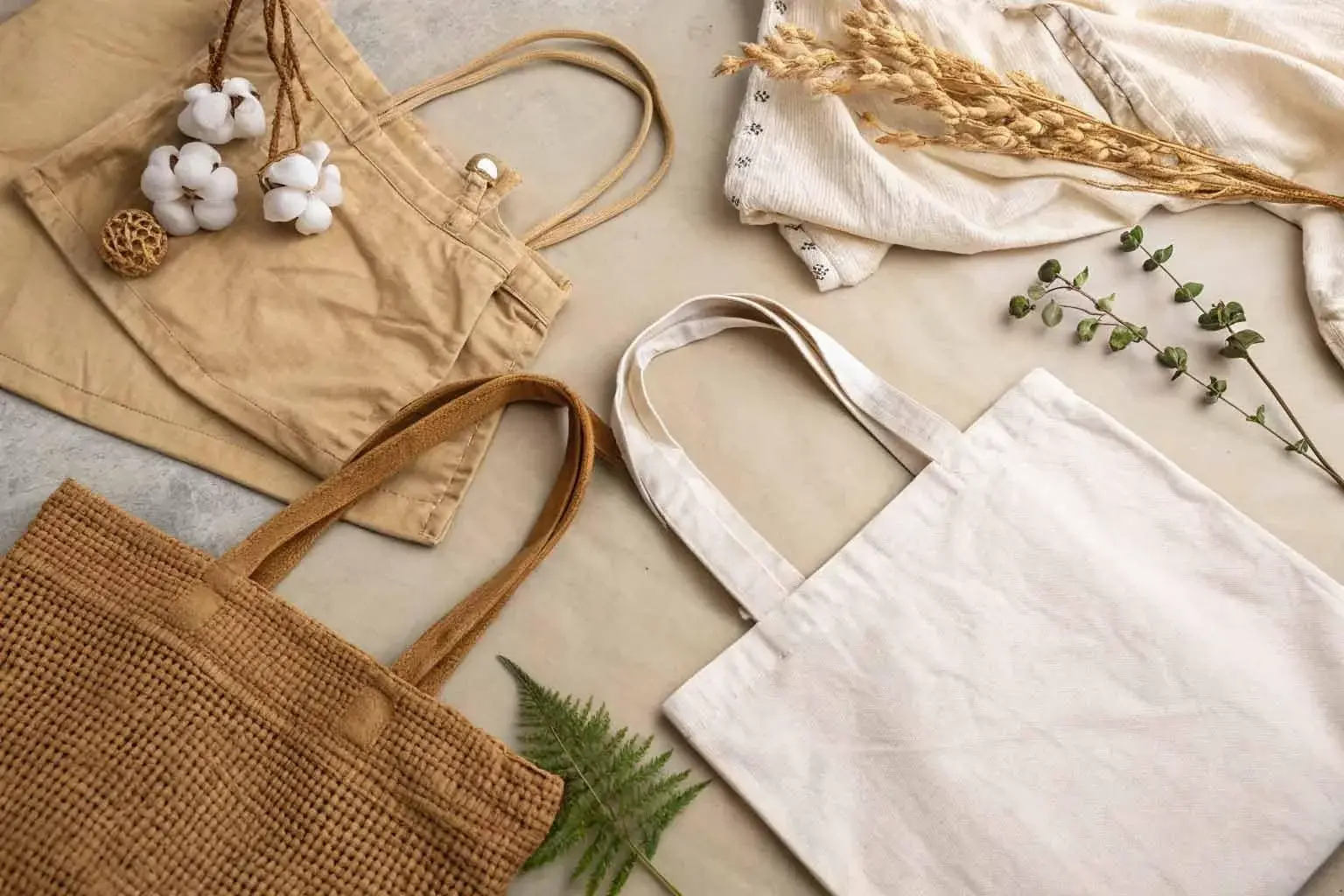
Different materials not only give tote bags distinct visual textures, but also influence their performance in terms of wear resistance, load-bearing capacity, weight, and water resistance.
So, what are the common materials used for tote bags? What are the pros and cons of each? Below, we’ll examine eight popular materials and analyze them one by one.
1. Cotton Canvas
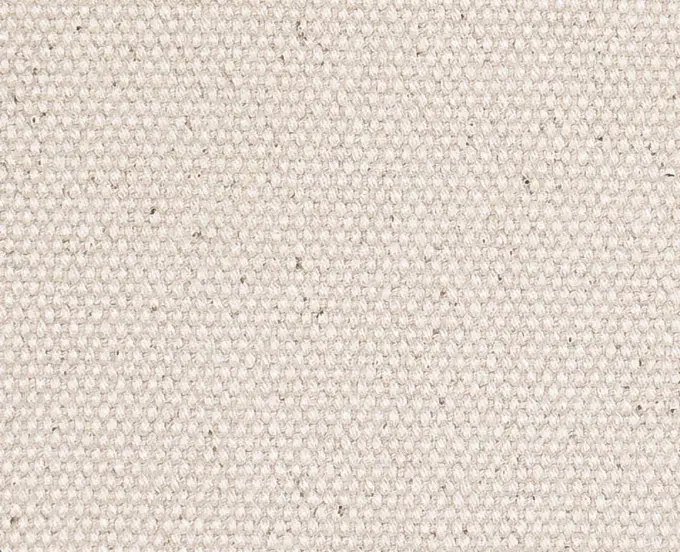
Cotton canvas is one of the most classic and common materials for tote bags.
-
- Advantages: It is wear-resistant, breathable, possesses a natural texture, and offers good load-bearing capacity. Furthermore, cotton canvas is well-suited for printing, making it a popular choice for personalized and branded tote bags.
- Disadvantages: Standard cotton canvas is highly absorbent, making it prone to staining and mildew.
- Common Applications: shopping tote, everyday tote, promotional tote.
2. Polyester
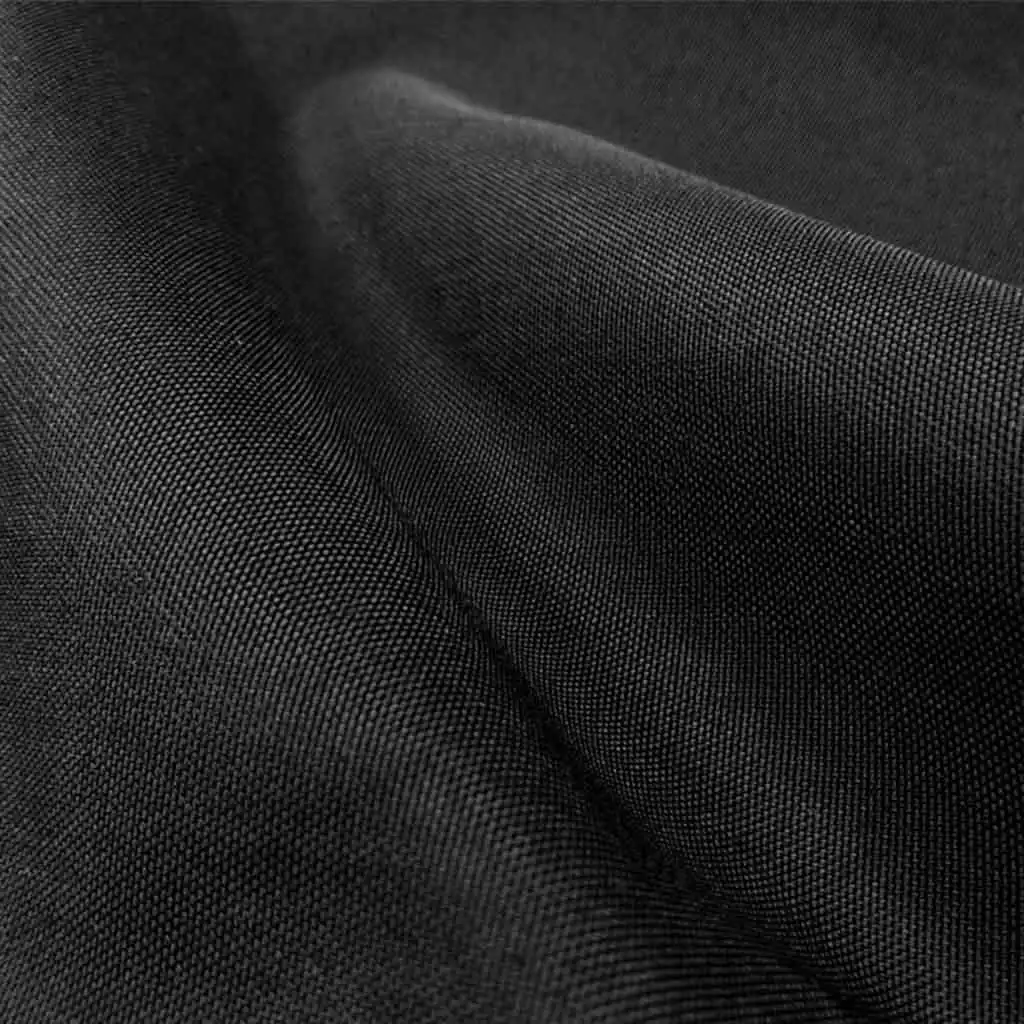
Polyester is also a very common material used in the production of tote bags.
-
- Advantages: Lightweight, wear-resistant, offers a wide range of options for raw materials and processing, and provides excellent value for money. Polyester also features good suitability for printing and has a low moisture absorption rate.
- Disadvantages: Polyester lacks the natural texture and breathability of cotton canvas.
- Common Applications: promotional totes, fashion totes, printed totes.
3. Nylon
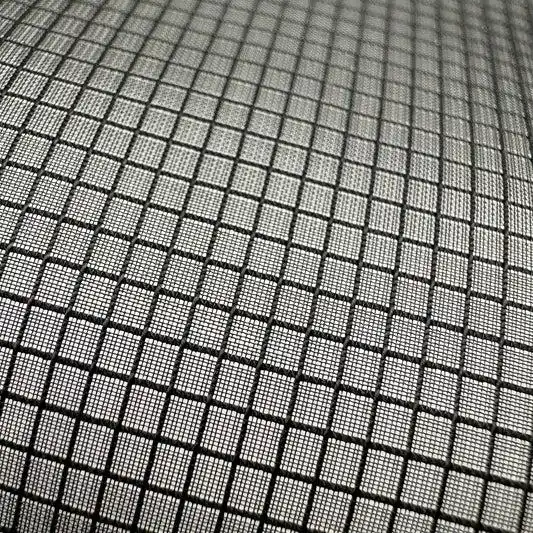
Compared to polyester, nylon typically has a higher strength-to-weight ratio, making it particularly well-suited for creating lightweight and functional tote bags.
-
- Advantages: Lightweight, tear-resistant, highly abrasion-resistant, and possesses good toughness; can be made water-resistant through a coating treatment.
- Disadvantages: Long-term exposure to ultraviolet (UV) radiation can affect the appearance and performance of the fabric; furthermore, high-performance nylon is relatively costly.
- Common Applications: travel tote, outdoor tote, utility tote.
4. Jute
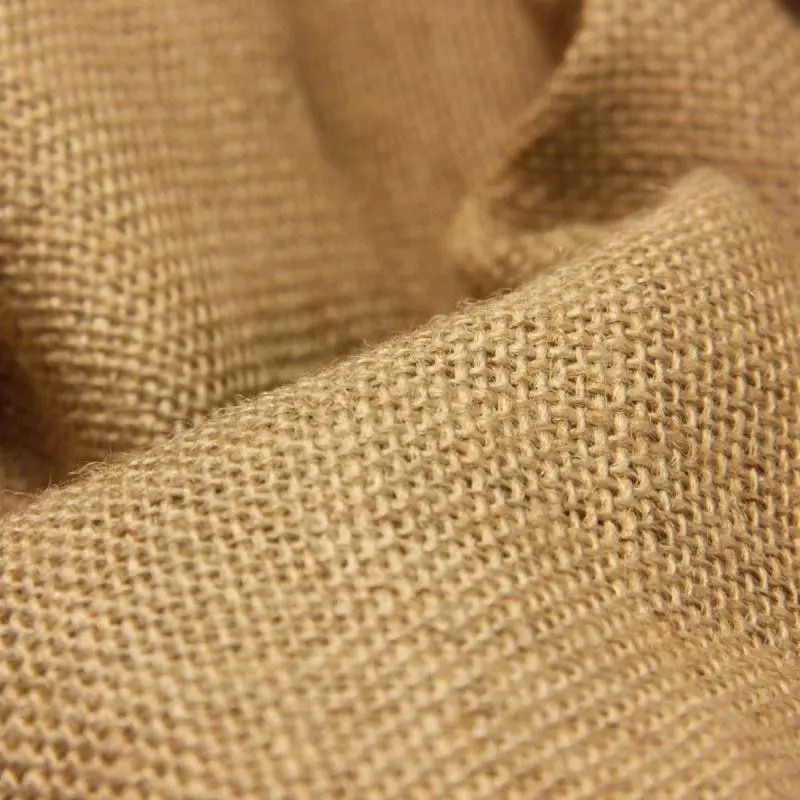
Jute is a natural plant fiber characterized by a distinct, rugged texture and a natural color.
-
- Advantages: Eco-friendly, with a distinctive natural fiber look and moderate load-bearing capacity.
- Disadvantages: The texture feels somewhat coarse; it lacks the softness and comfort of cotton Canvas or nylon, and as a natural fiber, its moisture resistance is limited.
- Common Applications: Eco tote, grocery tote, gift tote, beach tote.
5. RPET
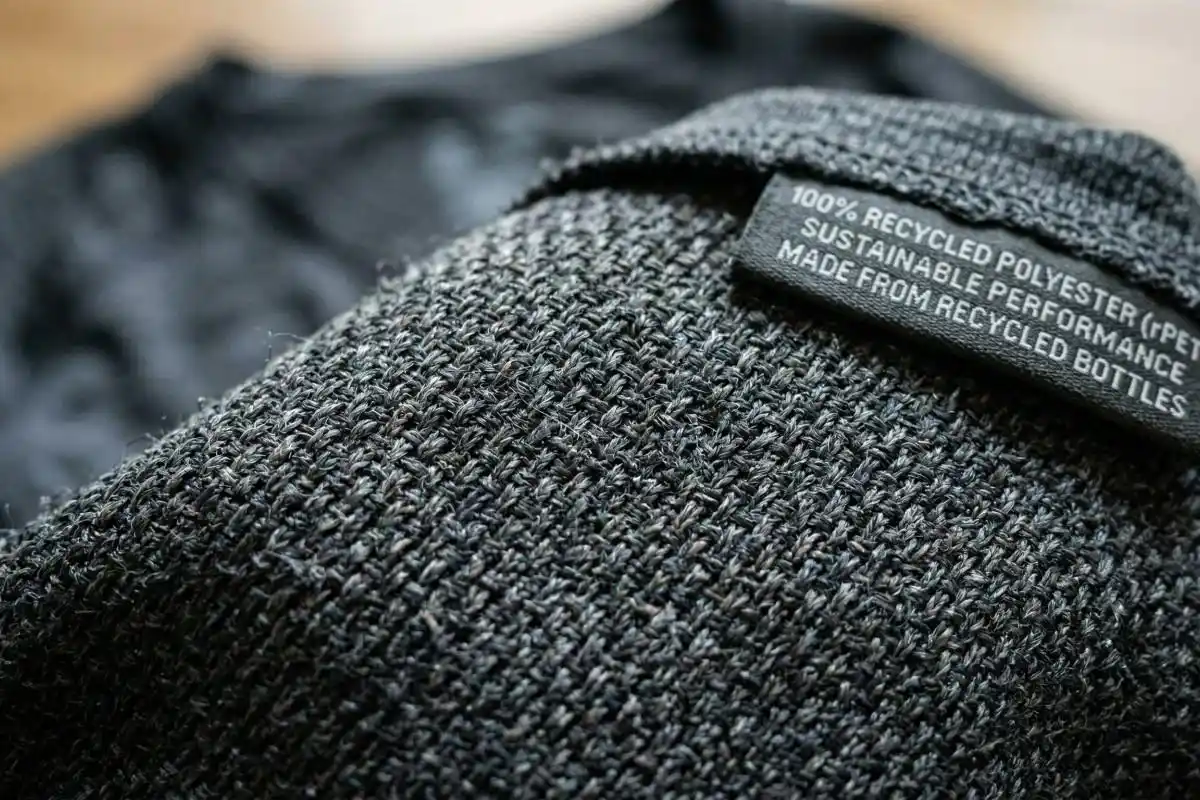
RPET (Recycled Polyethylene Terephthalate) is a type of recycled polyester material made from reclaimed PET—recycled plastic bottles being a common source.
-
- Advantages: Eco-friendly; combines the lightweight, wear-resistant, and print-receptive qualities of polyester fiber.
- Disadvantages: Actual performance depends on fabric structure and processing techniques; therefore, quality cannot be determined solely based on the "RPET" designation. Furthermore, verifying the source of recycled raw materials, the proportion of recycled content, and supply chain certifications entails additional costs.
- Common Applications: sustainable tote, reusable shopping tote, promotional tote.
6. PU Leather
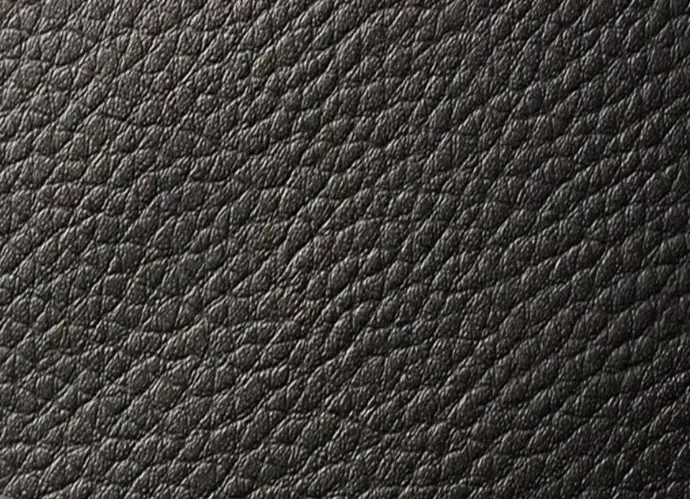
PU leather (polyurethane synthetic leather) is a common synthetic leather material that can mimic the texture and appearance of natural leather, making it a key material choice for fashionable tote bags.
-
- Advantages: Offers a wide variety of colors, textures, and surface finishes; easy to wipe clean; well-suited for creating bags with a structured shape; and more cost-effective compared to high-quality natural leather.
- Disadvantages: Compared to genuine leather, it is more prone to surface wear, cracking, and delamination after long-term use.
- Common Applications: fashion tote, office tote, structured tote, minimalist tote.
7. Genuine Leather
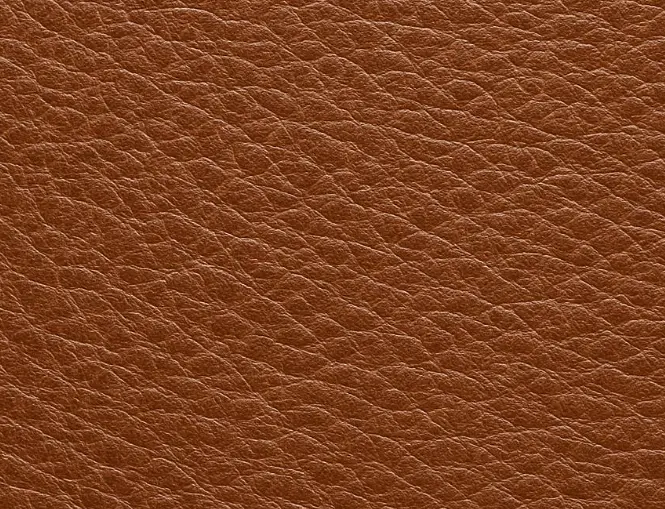
Genuine leather is a crucial material choice for high-end tote bags.
-
- Advantages: Natural leather possesses a unique texture, tactile quality, and a premium feel, which can significantly elevate the perceived value of a product. Furthermore, it offers great design versatility, excellent durability, and long-term value—developing a distinctive patina and evolving in texture over time.
- Disadvantages: Higher cost, greater weight, and relatively high requirements for daily care.
- Common Applications: Luxury tote, business tote, premium everyday tote, designer tote.
8.Straw / Raffia
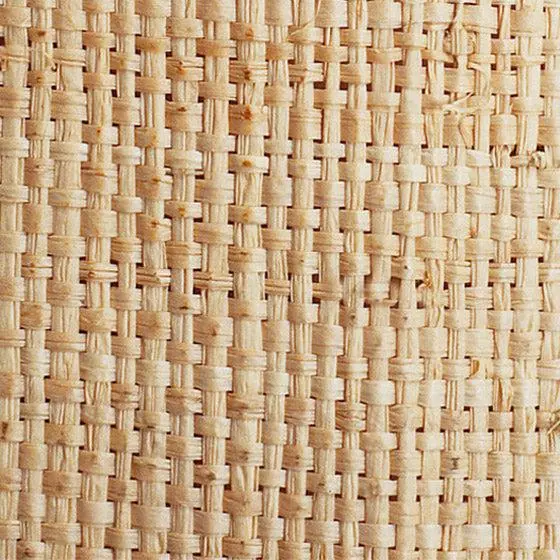
Straw and raffia are quintessential materials for summer and vacation-style tote bags.
-
- Advantages: Features a distinct hand-woven texture that is highly recognizable, making it easy to evoke a vacation, beach, or relaxed atmosphere.
- Disadvantages: Prone to moisture absorption, with individual fibers potentially wearing down or breaking. Structural integrity and load-bearing capacity depend on the weaving method.
- Common Applications: Beach tote, summer tote, resort tote, fashion tote.
Tote Bag Materials Compared
|
Material |
Abrasion Resistance |
Lightweight |
Positioning |
Cost |
|
Cotton Canvas |
High |
Medium |
Classic, Natural |
Low–Medium |
|
Polyester |
Medium–High |
Medium–High |
Versatile Options |
Low–Medium |
|
Nylon |
High |
High |
Functional |
Medium |
|
Jute |
Medium–High |
Medium |
Natural |
Low–Medium |
|
RPET |
Medium–High |
Medium–High |
Eco-Friendly |
Medium |
|
PU Leather |
Medium |
Medium |
Fashionable |
Low–Medium |
|
Genuine Leather |
High |
Low–Medium |
Premium |
High |
|
Straw / Raffia |
Low–Medium |
High |
Resort Style |
Medium–High |
Conclusion
The choice of fabric for a tote bag directly influences the product's appearance, performance, and market positioning. For brands, the most important consideration is not selecting the most expensive or highest-performing fabric, but rather finding materials that align with their target market and the intended design direction of their products. We hope that this overview and comparison of common materials for tote bags will provide a valuable reference for your product material selection and development decisions.