 EN
EN


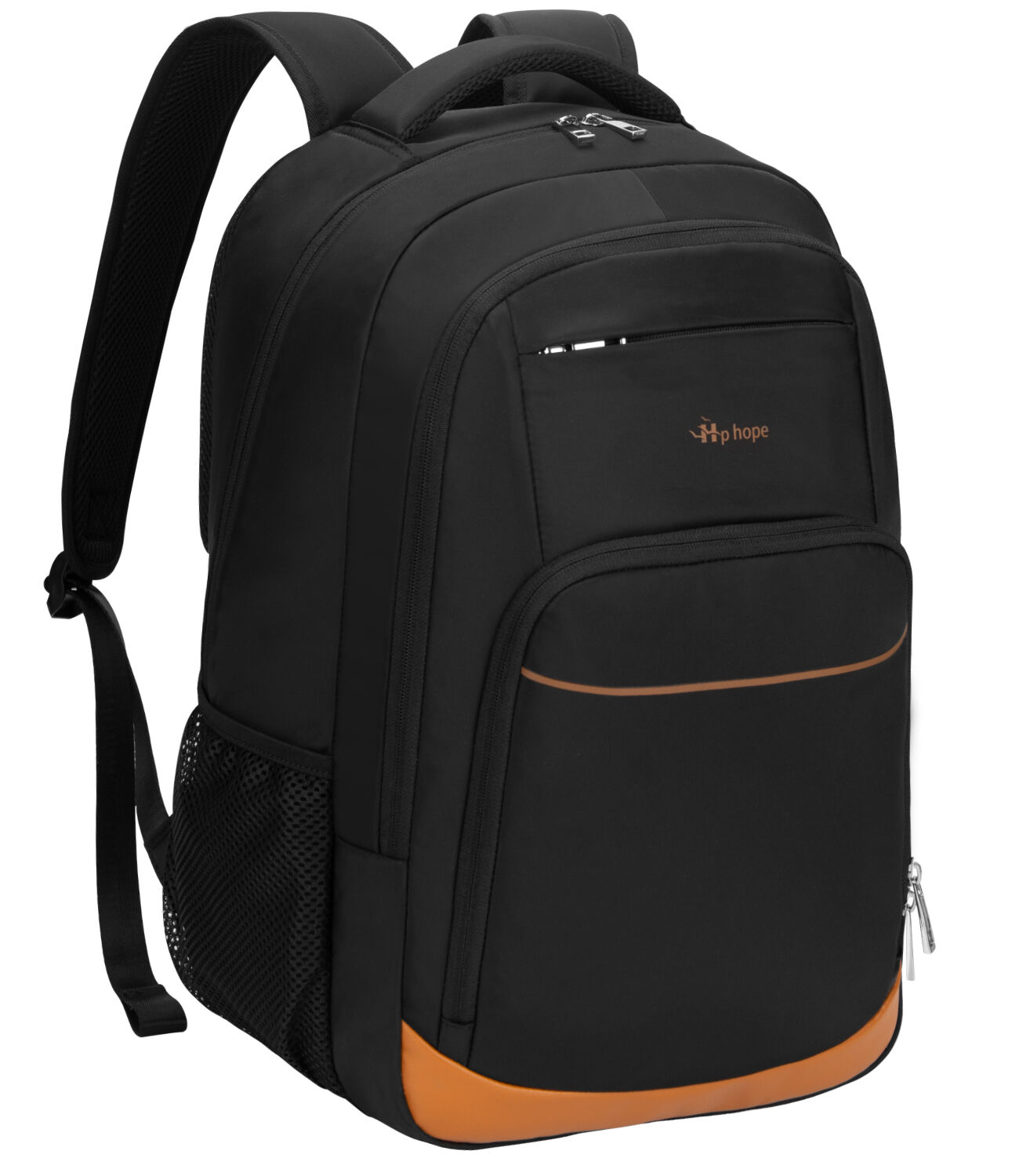
Winter ski trips demand meticulous planning, especially when it comes to protecting your gear and essentials from harsh mountain conditions. The extreme temperatures, moisture, and fluctuating weather patterns encountered on ski slopes can wreak havoc on electronics, food, and other temperature-sensitive items. An insulated package becomes an indispensable companion for any serious winter sports enthusiast, offering crucial protection that standard bags simply cannot provide. Understanding the science behind thermal protection and its practical applications can transform your ski trip experience from potentially disastrous to thoroughly enjoyable.
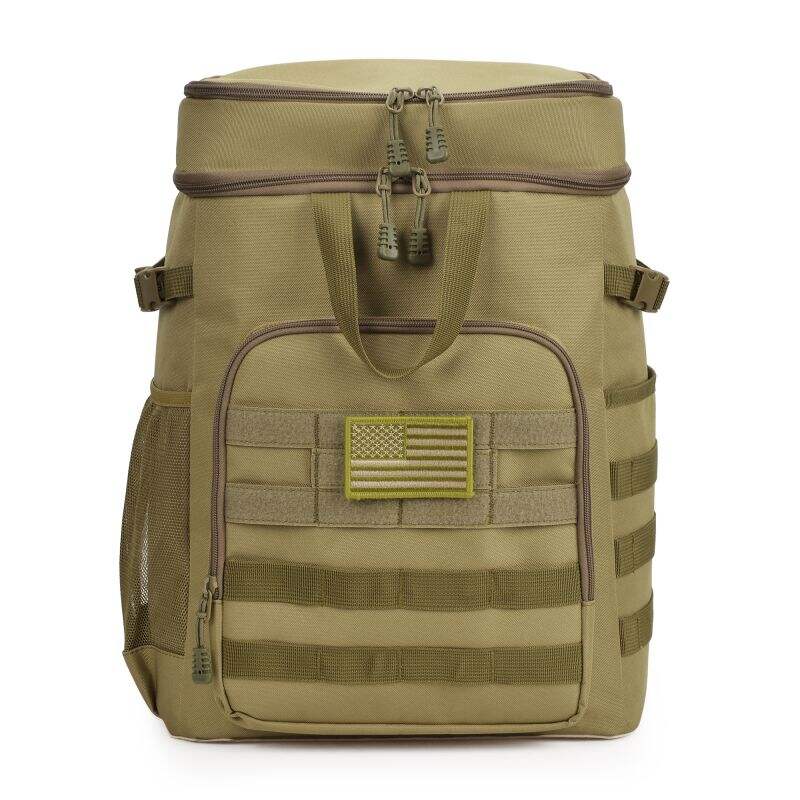
The Science Behind Thermal Protection
Heat Transfer Mechanisms
Thermal protection in winter gear operates through three fundamental heat transfer mechanisms: conduction, convection, and radiation. Conduction occurs when heat transfers directly through materials in contact, such as when cold air touches your bag's exterior surface. Convection involves heat loss through air movement, particularly problematic in windy mountain conditions. Radiation represents heat energy emitted by warm objects into their surroundings, a continuous process that accelerates in extreme cold environments.
Quality insulation materials work by creating barriers against these heat transfer methods. Multi-layer insulation systems trap air pockets, which serve as natural insulators due to air's poor heat conductivity. These trapped air spaces prevent cold from penetrating inward while simultaneously preventing warmth from escaping outward. The effectiveness of this thermal barrier directly correlates with the insulation material's thickness, density, and construction quality.
Insulation Material Properties
Modern insulation materials utilize advanced synthetic fibers and natural materials engineered for maximum thermal efficiency. Synthetic insulation like polyester fill maintains its insulating properties even when exposed to moisture, a critical advantage in unpredictable mountain weather. Down insulation offers superior warmth-to-weight ratios but requires additional moisture protection to maintain effectiveness. Reflective materials incorporated into insulation systems bounce radiant heat back toward its source, adding another layer of thermal protection.
The thermal resistance rating, measured in R-values, quantifies insulation effectiveness across different materials and thicknesses. Higher R-values indicate superior insulating capabilities, but practical considerations like weight, compressibility, and durability must balance pure thermal performance. Understanding these material properties helps skiers select appropriate insulation levels for their specific mountain conditions and activity requirements.
Protection of Essential Gear
Electronic Device Safety
Modern ski trips rely heavily on electronic devices for navigation, communication, and safety monitoring. Smartphones, GPS devices, avalanche beacons, and action cameras all contain lithium-ion batteries that lose capacity rapidly in cold temperatures. Battery performance can drop by 50% or more when exposed to freezing conditions, potentially creating dangerous situations where critical safety equipment becomes unreliable.
An insulated package maintains stable internal temperatures, preserving battery life and preventing condensation damage when devices transition between temperature zones. The consistent internal environment prevents thermal shock that can damage sensitive electronic components. Additionally, insulated storage prevents screen freezing and touch sensitivity issues common with unprotected devices in extreme cold.
Food and Beverage Preservation
Proper nutrition and hydration remain paramount during physically demanding ski activities. Frozen water bottles become useless, while energy bars and snacks can freeze solid, making consumption difficult or impossible. Sports drinks and electrolyte solutions lose their effectiveness when frozen, as the separation of components alters their nutritional balance and absorption rates.
Insulated storage maintains food and beverages at consumable temperatures throughout extended mountain excursions. This thermal protection ensures that emergency nutrition remains accessible when needed most, potentially preventing dangerous situations caused by inadequate caloric intake or dehydration. The ability to access liquid nutrition during high-exertion activities can significantly impact performance and safety outcomes.
Weather Resistance and Durability
Moisture Management Systems
Mountain environments present complex moisture challenges beyond simple precipitation. Temperature fluctuations create condensation cycles that can saturate unprotected gear, while wind-driven snow penetrates standard storage solutions. Effective insulated packages incorporate moisture barriers that prevent external water intrusion while managing internal humidity through breathable materials and vapor management systems.
Advanced moisture management prevents the formation of ice crystals within storage compartments, which can damage sensitive items and reduce insulation effectiveness. Sealed seams and water-resistant zippers create primary barriers against moisture penetration, while internal moisture-wicking materials prevent condensation accumulation. These integrated systems maintain dry internal environments essential for preserving gear functionality and extending equipment lifespan.
Construction and Material Durability
Ski environments subject equipment to extreme mechanical stresses from impacts, abrasion, and repeated temperature cycling. Quality construction using reinforced stress points and durable exterior materials ensures long-term performance under harsh conditions. Ripstop fabrics resist tear propagation from sharp objects or rough handling, while reinforced attachment points prevent failure under load stress.
Temperature cycling between warm indoor environments and freezing outdoor conditions creates expansion and contraction stresses that can cause material failure over time. High-quality materials maintain flexibility across temperature ranges, preventing cracking or delamination that compromises thermal performance. Investment in durable construction reduces replacement costs while ensuring reliable performance when protection matters most.
Performance Impact on Ski Activities
Energy Conservation Benefits
Maintaining optimal body temperature during ski activities requires significant metabolic energy, particularly in extreme cold conditions. When essential gear functions properly due to adequate thermal protection, skiers can focus energy on performance rather than compensating for equipment failures. Accessible nutrition and functioning electronics reduce stress and decision-making fatigue that can impair judgment and reaction times.
Reliable gear performance enabled by proper thermal protection translates into improved skiing confidence and extended activity duration. Skiers carrying well-protected equipment can venture into more challenging terrain knowing their safety and navigation equipment will function reliably. This confidence factor directly impacts skiing performance, allowing for more aggressive technique development and exploration of advanced mountain terrain.
Safety and Emergency Preparedness
Mountain safety depends heavily on equipment reliability during emergency situations. Communication devices, first aid supplies, and emergency nutrition must function when needed most, often during the worst weather conditions. Insulated storage ensures that critical safety equipment remains operational regardless of external temperature conditions or exposure duration.
Emergency preparedness extends beyond individual safety to group responsibility in backcountry skiing situations. Reliable equipment performance can determine the outcome of rescue operations or emergency evacuations. The investment in quality thermal protection represents insurance against equipment failure during life-threatening situations where gear reliability directly impacts survival outcomes.
Selecting Appropriate Insulation Levels
Activity-Specific Requirements
Different skiing activities require varying levels of thermal protection based on exposure duration, temperature ranges, and gear sensitivity requirements. Day skiing at resort locations with readily available warming facilities demands less aggressive insulation than backcountry touring in remote areas. Multi-day ski mountaineering expeditions require maximum thermal protection to ensure gear functionality throughout extended cold exposure periods.
Activity intensity also influences insulation requirements, as high-exertion activities generate body heat that can supplement external thermal protection. However, rest periods and emergency situations may require maximum protection regardless of normal activity heat generation. Understanding these variables helps skiers select appropriate insulation levels that balance protection, weight, and performance requirements for their specific skiing objectives.
Climate and Terrain Considerations
Geographic location and seasonal timing significantly impact required insulation performance. Arctic skiing conditions demand maximum thermal protection, while spring skiing in moderate climates may require less aggressive insulation systems. Altitude effects compound temperature challenges, as mountain elevations experience more extreme temperature swings and weather volatility than lower elevation environments.
Terrain characteristics influence exposure patterns and emergency risk levels, affecting appropriate insulation selection. Open alpine terrain offers little protection from wind and weather, requiring superior thermal protection compared to tree skiing in sheltered environments. Understanding these environmental factors enables informed decisions about insulation requirements that match actual skiing conditions and risk profiles.
FAQ
How does insulation affect battery life in cold weather
Cold temperatures significantly reduce lithium-ion battery capacity and voltage output, with performance dropping 20-50% in freezing conditions. Insulated storage maintains batteries at temperatures where they can deliver near-normal performance, extending operational time and reliability. The thermal protection also prevents rapid temperature cycling that can permanently damage battery cells and reduce overall lifespan.
What insulation materials work best for ski gear protection
Synthetic insulation materials like polyester fill offer the best combination of thermal performance, moisture resistance, and durability for ski applications. These materials maintain insulating properties when wet and dry quickly when exposed to moisture. Reflective barriers combined with synthetic fill provide excellent thermal protection while remaining lightweight and compressible for efficient packing.
Can over-insulation create problems during ski trips
Excessive insulation can create condensation problems when warm, moist air becomes trapped and condenses on cold surfaces within the storage compartment. This internal moisture can damage electronics and reduce insulation effectiveness over time. Proper insulation balances thermal protection with moisture management through breathable materials and appropriate ventilation design.
How do I maintain insulation performance over multiple seasons
Regular cleaning according to manufacturer instructions preserves insulation loft and thermal performance over time. Proper storage in dry conditions prevents mold and material degradation, while avoiding compression storage maintains insulation thickness. Periodic inspection for damage and prompt repairs prevent small issues from compromising overall thermal protection performance.