 EN
EN


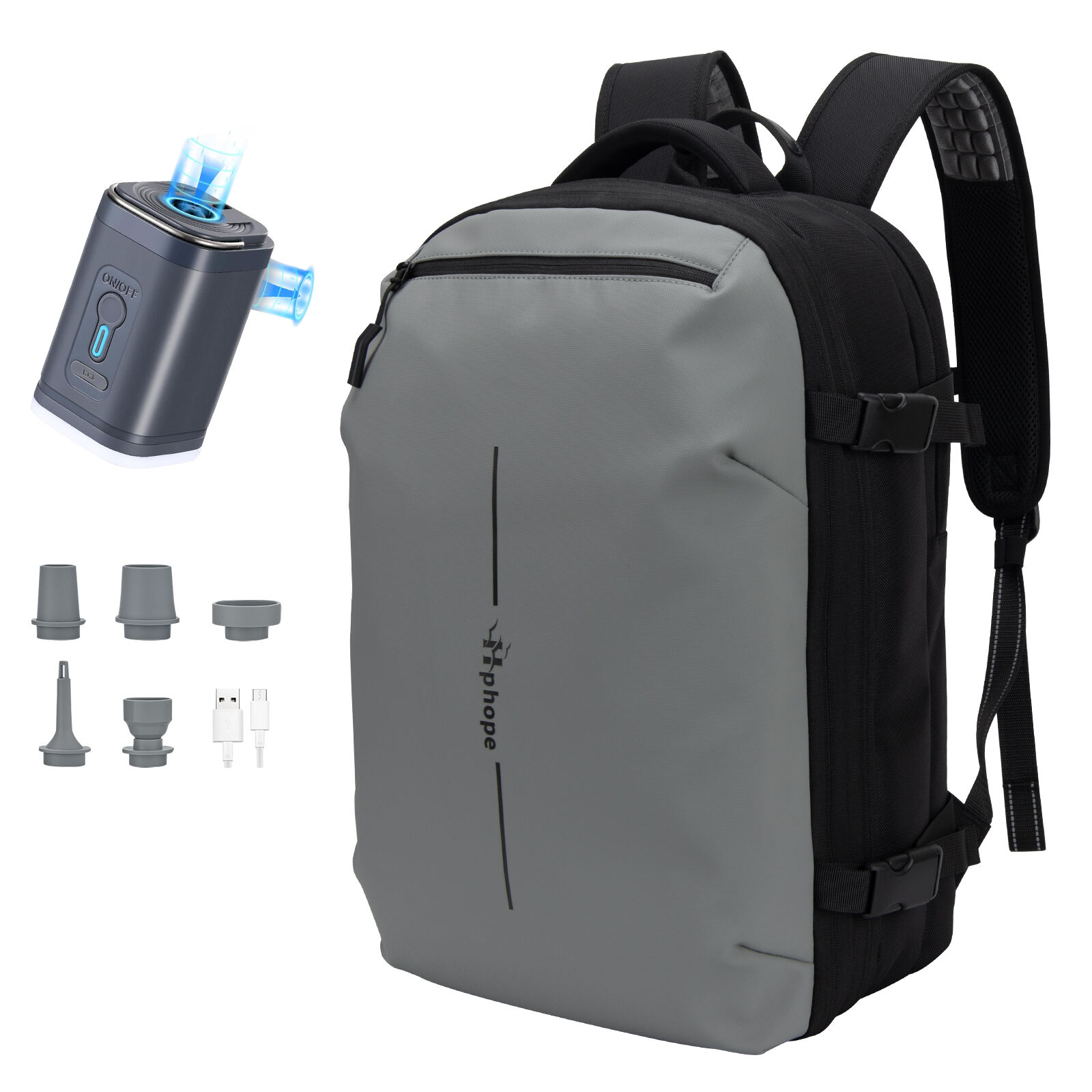
Modern travelers demand gear that balances durability with portability, making the choice of materials in a lightweight travel bag absolutely critical. The perfect travel companion must withstand harsh conditions while maintaining minimal weight, ensuring comfort during extended journeys. Understanding the science behind material selection helps adventurers make informed decisions about their gear investments. Today's advanced textile technologies have revolutionized how manufacturers approach the challenge of creating ultra-durable yet featherweight luggage solutions.
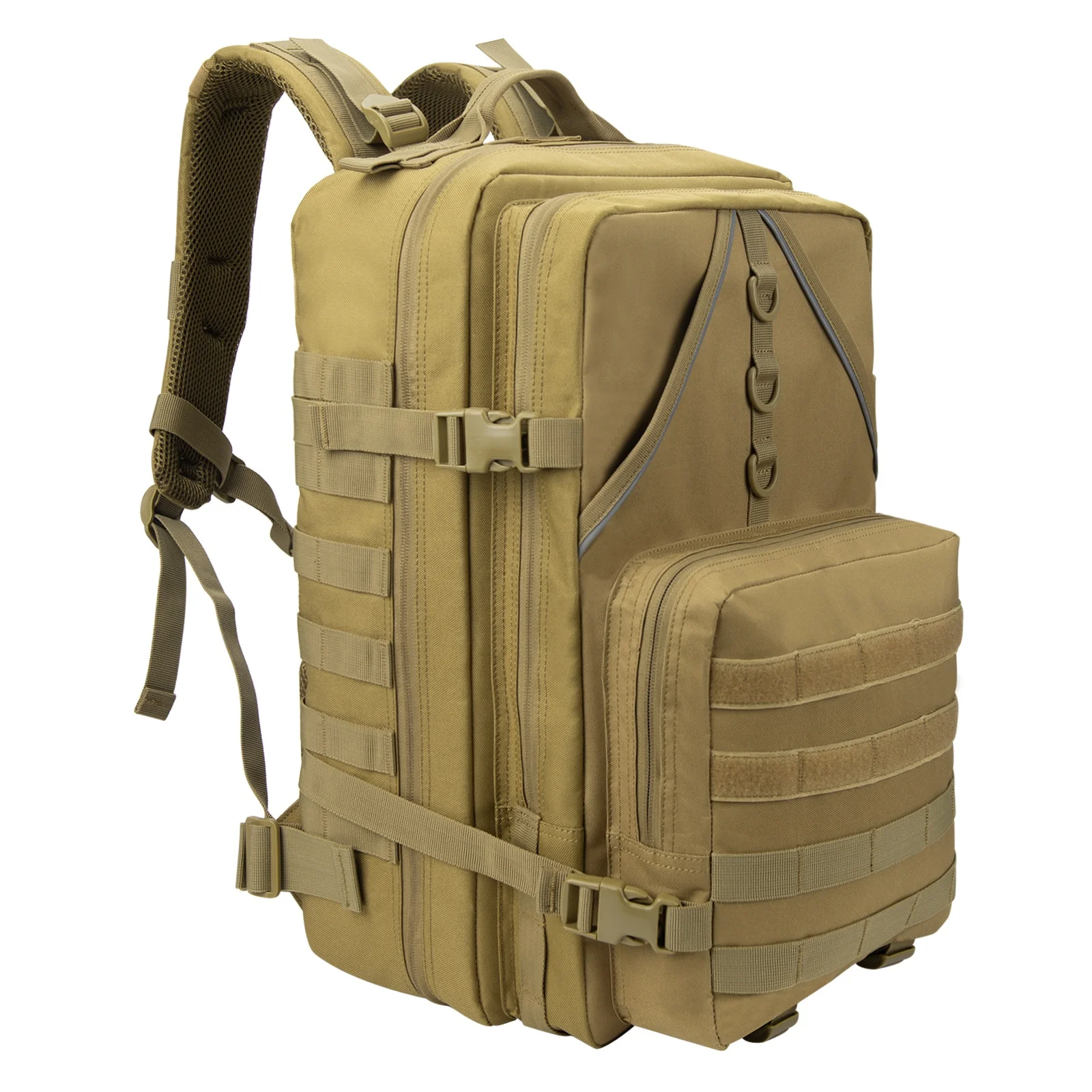
Advanced Synthetic Fabrics for Travel Gear
Ripstop Nylon Performance Characteristics
Ripstop nylon stands as the gold standard for premium travel bags due to its exceptional strength-to-weight ratio. This specialized fabric incorporates reinforcement threads woven in a crosshatch pattern, preventing tears from spreading across the material surface. The unique construction allows manufacturers to create incredibly thin yet robust fabrics that resist punctures and abrasions. Modern ripstop nylon variants can achieve weights as low as 30 denier while maintaining impressive tensile strength ratings.
The manufacturing process involves weaving thicker threads at regular intervals throughout the fabric base, creating a grid-like reinforcement structure. This design philosophy ensures that even if a small puncture occurs, the damage remains localized rather than compromising the entire panel. Advanced coating treatments further enhance water resistance and UV protection without adding significant bulk to the final product.
Polyester Blend Innovations
High-performance polyester blends offer excellent alternatives to traditional nylon fabrics, particularly in applications requiring enhanced chemical resistance. These synthetic materials excel in humid environments where natural fibers might degrade or retain moisture. Modern polyester formulations incorporate additives that improve flexibility and reduce brittleness in extreme temperature conditions.
The versatility of polyester allows manufacturers to engineer specific characteristics through fiber modification and weaving techniques. Some variants focus on enhanced abrasion resistance for high-wear areas, while others prioritize flexibility for compartments requiring frequent manipulation. The material's inherent hydrophobic properties make it naturally resistant to water absorption, maintaining consistent weight regardless of environmental humidity levels.
Waterproofing Technologies and Treatments
Polyurethane Coating Systems
Polyurethane coatings represent one of the most effective methods for achieving waterproof performance in lightweight travel bag construction. These chemical treatments create a flexible barrier that bonds molecularly with the base fabric, ensuring long-lasting protection against moisture infiltration. The application process involves multiple thin layers rather than single thick coatings, maintaining fabric flexibility while maximizing water resistance.
Advanced polyurethane formulations incorporate plasticizers that prevent cracking under stress and maintain elasticity across wide temperature ranges. The coating thickness can be precisely controlled during manufacturing, allowing engineers to balance waterproof performance with breathability requirements. Some premium systems include antimicrobial additives that prevent mold and mildew growth in humid storage conditions.
Durable Water Repellent Applications
Durable Water Repellent treatments provide an additional layer of protection that complements primary waterproofing systems. These molecular-level treatments cause water to bead and roll off fabric surfaces rather than penetrating the material structure. The technology works by altering the surface tension characteristics of individual fibers, creating a hydrophobic barrier that maintains breathability.
Modern DWR applications utilize fluorine-free chemistry that delivers excellent performance without environmental concerns associated with traditional treatments. The application process ensures even distribution across complex fabric textures, providing consistent protection regardless of weave density or surface irregularities. Regular reapplication during the product lifecycle maintains optimal water repellency and extends overall bag lifespan.
Hardware and Component Material Selection
Aluminum Alloy Advantages
Aircraft-grade aluminum alloys provide the ideal balance of strength and weight for critical hardware components in premium travel bags. These specialized metals undergo heat treatment processes that enhance grain structure and eliminate stress concentrations that could lead to failure. The corrosion resistance of aluminum makes it particularly suitable for coastal or humid environments where other metals might degrade rapidly.
The manufacturing process involves precise alloy composition control to achieve optimal mechanical properties for specific applications. Zippers, buckles, and frame elements benefit from aluminum's excellent fatigue resistance under repeated loading cycles. Surface anodizing treatments further enhance durability while adding minimal weight to the final component assembly.
High-Performance Polymer Components
Engineering-grade polymers offer significant advantages in applications requiring complex geometries or specialized mechanical properties. These materials can be injection-molded into intricate shapes that would be impossible or cost-prohibitive with metal alternatives. Advanced polymer formulations incorporate glass fiber reinforcement that dramatically increases strength while maintaining processing flexibility.
The chemical resistance of high-performance polymers ensures long-term stability when exposed to cleaning agents, sunscreen, or other travel-related chemicals. UV stabilizers prevent degradation from prolonged sun exposure, maintaining both mechanical properties and aesthetic appearance throughout the product lifecycle. The inherent flexibility of these materials reduces stress concentrations at connection points, improving overall durability.
Padding and Comfort Material Technologies
Closed-Cell Foam Innovations
Closed-cell foam technologies provide superior cushioning performance while maintaining minimal weight and thickness in lightweight travel bag applications. These materials feature microscopic cellular structures that trap air within individual cells, preventing moisture absorption and maintaining consistent compression characteristics. The manufacturing process creates uniform cell distribution that ensures predictable load distribution across padded surfaces.
Advanced foam formulations incorporate memory characteristics that allow the material to conform to irregular loads while providing consistent support. The cellular structure provides excellent insulation properties, protecting sensitive contents from temperature fluctuations during transport. Density variations within single foam sheets enable engineers to optimize comfort and protection for specific application requirements.
Mesh Ventilation Systems
Three-dimensional mesh fabrics create effective ventilation channels that promote airflow and moisture management in contact areas. These specialized textiles feature raised fiber structures that maintain spacing between the bag surface and the user's body, preventing heat buildup during extended carry periods. The open architecture allows rapid moisture evaporation while providing necessary structural support.
Manufacturing techniques involve knitting or weaving fibers into complex three-dimensional patterns that maintain their shape under compression. Some variants incorporate antimicrobial treatments that prevent odor-causing bacterial growth in humid conditions. The inherent flexibility of mesh construction accommodates body movement without restricting circulation or creating pressure points.
Environmental Resistance and Longevity Factors
UV Protection Mechanisms
Ultraviolet radiation represents one of the most significant threats to fabric integrity in outdoor applications, making UV protection essential for any quality lightweight travel bag design. Advanced stabilizer systems absorb or reflect harmful radiation before it can break down polymer chains within the fabric structure. These protective additives are incorporated during fiber production, ensuring uniform distribution throughout the material.
The degradation process involves photochemical reactions that gradually weaken molecular bonds, leading to brittleness and eventual failure. Carbon black additives provide excellent UV absorption characteristics while maintaining fabric flexibility and processing properties. Some premium systems utilize organic UV absorbers that provide protection without affecting fabric color or texture.
Temperature Cycle Durability
Thermal cycling represents a critical stress factor that affects material performance across diverse travel environments. Repeated expansion and contraction cycles can create fatigue failures in materials that lack sufficient flexibility or stress relief mechanisms. Advanced material selection considers thermal expansion coefficients to minimize stress concentrations at joint interfaces.
Low-temperature brittleness testing ensures that selected materials maintain flexibility and impact resistance in cold environments. Heat aging protocols verify that elevated temperatures don't cause premature degradation or loss of mechanical properties. The combination of thermal and mechanical stress testing validates long-term performance under realistic usage conditions.
FAQ
What makes ripstop nylon better than regular nylon for travel bags
Ripstop nylon incorporates reinforcement threads in a grid pattern that prevents tears from spreading across the fabric surface. This specialized construction allows manufacturers to use thinner, lighter materials while maintaining superior puncture and tear resistance compared to standard nylon weaves. The reinforcement system localizes any damage, preventing small punctures from compromising the entire bag structure.
How do waterproof coatings affect the weight of lightweight travel bags
Modern waterproof coatings add minimal weight when properly applied using thin-layer techniques. Polyurethane systems typically add less than 10% to the base fabric weight while providing complete moisture protection. Advanced application methods ensure even distribution without creating thick spots that would increase bulk or reduce flexibility in the finished product.
Can aluminum hardware rust or corrode during travel
Aluminum naturally forms a protective oxide layer that prevents corrosion in most environmental conditions. Anodizing treatments further enhance this protection, creating a durable surface that resists saltwater, humidity, and chemical exposure. Unlike steel hardware, aluminum components maintain their strength and appearance even after extended exposure to harsh travel environments.
Why do some travel bags use mesh padding instead of solid foam
Mesh padding systems provide superior ventilation and moisture management compared to solid foam alternatives. The three-dimensional structure creates air channels that promote cooling and prevent heat buildup during extended wear periods. This design approach reduces weight while improving user comfort, making it particularly valuable in hot or humid travel environments where traditional padding might become uncomfortable.