 EN
EN


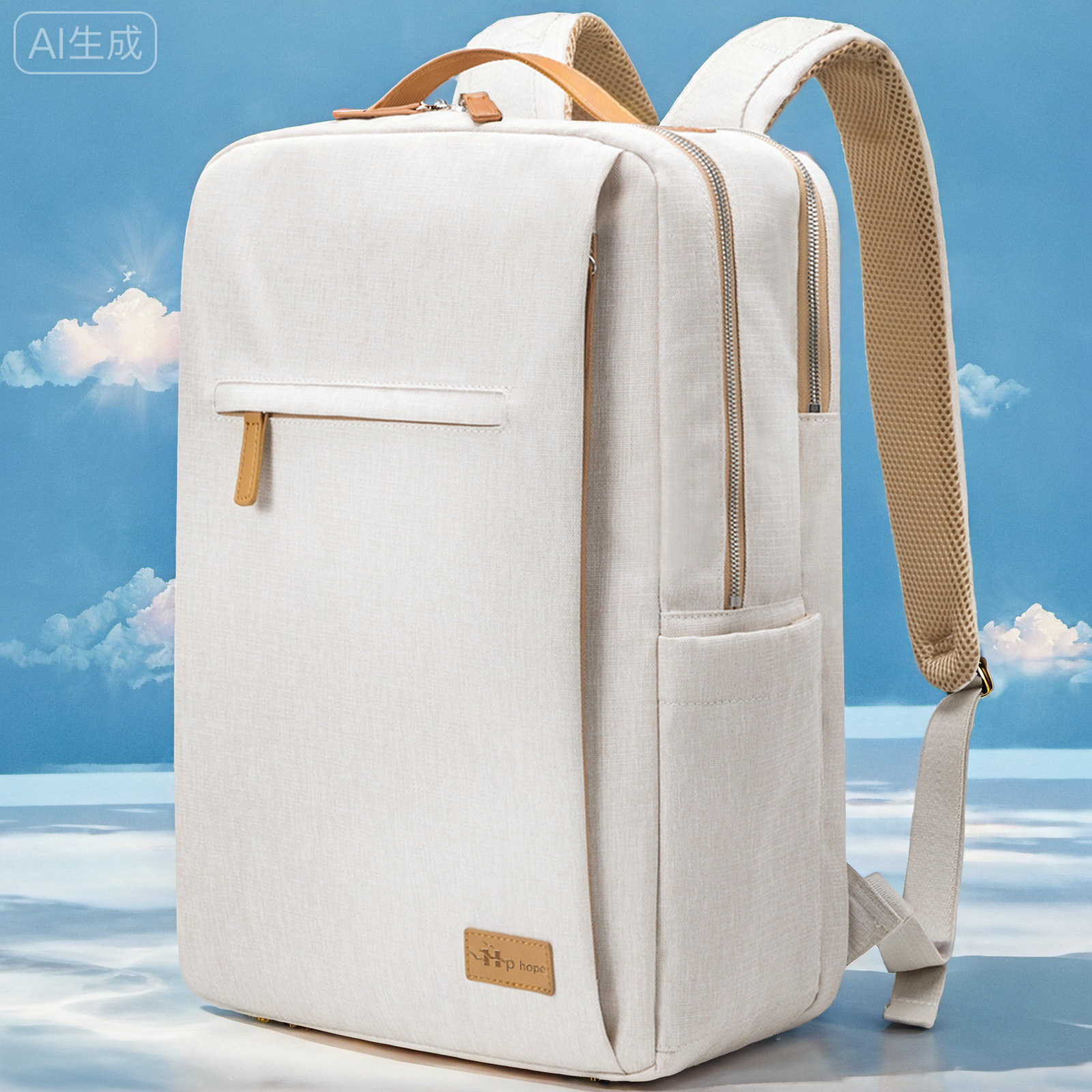
Modern adventurers demand more from their gear than ever before, and choosing the right adventure travel backpack has become a critical decision that can make or break any expedition. Whether you're embarking on a multi-day hiking trek through remote wilderness or navigating bustling international airports during a gap year journey, the perfect adventure travel backpack serves as your mobile base camp and organizational hub. In 2026, the evolution of travel gear has reached new heights, with innovative materials, smart compartmentalization, and ergonomic designs that cater to the diverse needs of contemporary explorers.
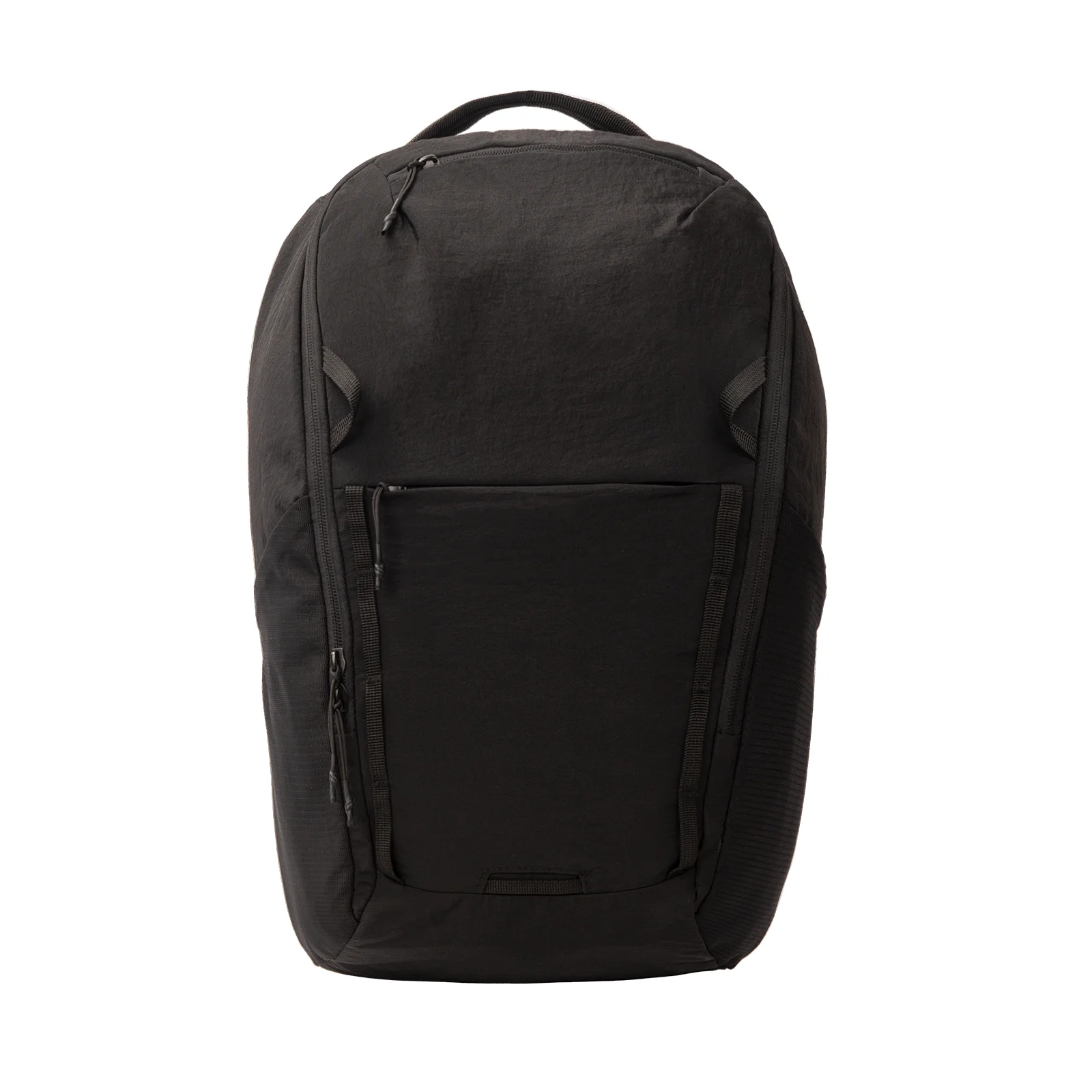
The landscape of adventure travel has transformed dramatically over the past decade, with more people seeking authentic experiences in remote locations while maintaining connectivity and comfort. This shift has driven manufacturers to create versatile packs that bridge the gap between technical hiking gear and practical travel accessories. An adventure travel backpack must now accommodate everything from essential survival equipment to modern digital devices, all while maintaining the durability and comfort required for extended periods of wear.
Essential Features That Define Premium Adventure Travel Backpacks
Multi-Compartment Organization Systems
The cornerstone of any exceptional adventure travel backpack lies in its organizational capabilities. Modern travelers carry an increasingly diverse array of items, from traditional camping gear to smartphones, tablets, portable chargers, and specialized clothing for varying climates. A well-designed compartment system ensures that every item has its designated place, making packing and unpacking efficient even in challenging conditions. The main compartment should accommodate bulky items like sleeping bags and clothing, while specialized pockets handle electronics, documents, and quick-access essentials.
Premium adventure travel backpack models feature dedicated laptop compartments with protective padding, ensuring that digital nomads can safely transport their work equipment alongside camping gear. Side pockets provide easy access to water bottles and snacks, while internal zippered pouches keep valuable items secure and organized. This systematic approach to storage not only improves functionality but also helps distribute weight evenly across the pack, enhancing overall comfort during extended wear.
Waterproof Construction and Weather Protection
Weather resistance stands as a non-negotiable feature in any serious adventure travel backpack design. Unpredictable weather conditions are an inevitable part of outdoor adventures, and gear failure due to water damage can transform a pleasant journey into a dangerous situation. Modern waterproof technologies extend far beyond simple rain covers, incorporating advanced fabric treatments, sealed seams, and strategic zipper placement to create comprehensive protection systems.
The most effective adventure travel backpack models utilize multi-layered waterproofing approaches, combining water-resistant exterior fabrics with internal protective barriers. This redundancy ensures that even if the outer layer becomes compromised, valuable contents remain dry and functional. Additionally, drainage systems and quick-dry materials help manage moisture that inevitably accumulates during extended outdoor activities, preventing the development of mold and unpleasant odors that can plague inferior packs.
Weight Distribution and Ergonomic Design Principles
Advanced Suspension Systems
The human body's relationship with a loaded backpack involves complex biomechanical interactions that manufacturers have spent decades perfecting. An adventure travel backpack must distribute weight effectively across the shoulders, back, and hips to prevent fatigue and injury during long-distance travel. Advanced suspension systems incorporate padded shoulder straps, adjustable torso lengths, and supportive hip belts that work together to create a customized fit for each individual user.
Modern adventure travel backpack designs incorporate breathing channels and ventilation systems that reduce heat buildup and moisture accumulation against the wearer's back. These features become particularly important during strenuous activities or in hot climates, where comfort directly impacts performance and safety. The integration of lightweight yet durable materials ensures that the pack itself doesn't add unnecessary burden to the overall carrying weight.
Adjustability and Personal Customization
Every adventurer has unique physical characteristics and carrying preferences, making adjustability a crucial factor in adventure travel backpack selection. The best packs offer multiple adjustment points that allow users to fine-tune the fit according to their specific body dimensions and load requirements. Torso length adjustments accommodate different heights, while shoulder strap positioning adapts to varying shoulder widths and posture preferences.
Load-lifter straps, sternum straps, and compression systems provide additional customization options that help optimize weight distribution and pack stability. These adjustments become particularly important when carrying varying loads throughout a journey, as different activities may require different packing configurations. An adventure travel backpack that adapts to these changing needs provides consistent comfort and functionality regardless of the specific adventure being undertaken.
Material Innovation and Durability Standards
High-Performance Fabric Technologies
The materials used in adventure travel backpack construction have evolved significantly, incorporating cutting-edge technologies that deliver superior performance while minimizing weight and bulk. Ripstop nylon fabrics provide exceptional tear resistance, ensuring that sharp rocks, thorny vegetation, and rough handling don't compromise pack integrity. Advanced coating technologies enhance water resistance without adding significant weight or reducing breathability.
Modern adventure travel backpack manufacturers utilize strategic material placement, employing heavier-duty fabrics in high-wear areas while using lighter materials in less stressed zones. This approach optimizes the strength-to-weight ratio, creating packs that withstand rigorous use without becoming burdensome to carry. Reinforced stress points, double-stitched seams, and quality hardware components ensure that the pack maintains its structural integrity even under extreme conditions.
Environmental Considerations and Sustainability
Contemporary adventurers increasingly prioritize environmental responsibility, driving demand for sustainable materials and manufacturing processes in adventure travel backpack production. Recycled fabrics, eco-friendly dyes, and responsible sourcing practices have become important considerations alongside traditional performance metrics. Many manufacturers now offer packs made from recycled plastic bottles and other waste materials, proving that environmental consciousness doesn't require performance compromises.
The longevity of an adventure travel backpack also contributes to its environmental impact. Durable construction that withstands years of use reduces the need for frequent replacements, minimizing resource consumption over the product's lifecycle. Repairable designs and available replacement parts extend this lifespan even further, supporting sustainable consumption patterns among outdoor enthusiasts.
Technology Integration and Modern Convenience Features
Electronic Device Management
Today's adventure travel backpack must accommodate the digital tools that modern travelers rely upon for navigation, communication, photography, and emergency safety. Dedicated electronics compartments protect sensitive devices from impacts and moisture while maintaining easy access for regular use. Cable management systems prevent tangled charging cables and allow for external charging port integration, enabling users to power devices without unpacking the entire backpack.
Solar panel compatibility has become an increasingly popular feature in premium adventure travel backpack designs. Removable or integrated solar charging systems provide renewable power sources for extended backcountry adventures where traditional charging options aren't available. This capability supports extended off-grid travel while maintaining essential communication and navigation capabilities for safety and convenience.
Security and Anti-Theft Features
Security concerns have driven innovation in adventure travel backpack design, particularly for urban travel segments where theft risks are elevated. Hidden zippers, lockable compartments, and cut-resistant materials provide protection against opportunistic theft without compromising the pack's outdoor functionality. RFID-blocking pockets protect sensitive financial and identification documents from electronic skimming attempts.
Strategic pocket placement keeps valuable items close to the body and difficult for potential thieves to access without the wearer's knowledge. These security features integrate seamlessly into the overall design, maintaining the adventure travel backpack's primary outdoor focus while providing peace of mind in urban environments and during international travel.
Size Variations and Capacity Considerations
Choosing the Right Volume for Your Adventures
Adventure travel backpack sizing represents a critical decision that impacts both carrying comfort and packing flexibility. Capacity typically ranges from compact 35-liter day packs suitable for short excursions to massive 85-liter expedition packs designed for multi-week wilderness adventures. The ideal size depends on trip duration, climate conditions, personal packing habits, and the availability of resupply opportunities along the route.
Most versatile adventure travel backpack models fall within the 45-65 liter range, providing sufficient capacity for week-long adventures while remaining manageable for daily carrying. This size category accommodates seasonal clothing variations, camping gear, and personal items without becoming unwieldy during transportation or while navigating challenging terrain. Understanding your typical packing requirements helps narrow the selection to appropriately sized options.
Expandable and Modular Design Options
Modern adventure travel backpack designs often incorporate expandable features that allow capacity adjustments based on specific trip requirements. Zip-out extensions, removable compartments, and attachment points for additional gear provide flexibility that adapts to varying adventure styles. This modularity prevents the need for multiple specialized packs while ensuring optimal functionality across different scenarios.
Compression systems allow overpacked adventure travel backpack models to maintain manageable profiles while accommodating extra gear when necessary. These features prove particularly valuable during multi-segment trips that involve different activity types, such as combining urban exploration with wilderness hiking. The ability to adjust pack size and configuration supports efficient packing strategies and comfortable carrying in diverse environments.
Specialized Applications and Activity-Specific Features
Photography and Equipment Transport
Photography enthusiasts require specialized features in their adventure travel backpack selection to safely transport expensive camera equipment alongside traditional travel gear. Padded divider systems, customizable compartments, and quick-access camera pouches protect delicate electronics while maintaining shooting readiness. Weather sealing becomes particularly critical for photography gear, as moisture damage can result in expensive equipment replacement.
Tripod attachment systems, lens cleaning supply storage, and battery organization features cater to serious photography requirements without compromising the pack's general travel functionality. Some adventure travel backpack models include removable camera inserts that can function as standalone camera bags, providing versatility for different phases of a multi-activity trip.
Climbing and Technical Gear Integration
Technical climbing adventures demand specialized features that accommodate ropes, hardware, and safety equipment alongside standard travel gear. External attachment points, gear loops, and ice axe carrying systems integrate climbing-specific requirements into the adventure travel backpack design. These features must provide secure attachment while maintaining easy access during challenging situations.
Rope carrying systems, helmet attachment points, and crampon storage compartments address the unique needs of alpinists and technical climbers. The adventure travel backpack must balance these specialized features with general travel functionality, creating versatile packs suitable for mixed adventure styles that combine technical climbing with standard backpacking activities.
Maintenance and Care Strategies
Cleaning and Storage Best Practices
Proper maintenance extends the lifespan of any adventure travel backpack while maintaining its performance characteristics. Regular cleaning removes accumulated dirt, salt, and organic matter that can degrade fabric treatments and compromise waterproofing. Gentle hand washing with specialized cleaners preserves technical fabric properties while removing odors and stains that develop during extended use.
Storage practices significantly impact adventure travel backpack longevity. Proper drying before storage prevents mold and mildew development, while loosely packed storage maintains shape and prevents permanent creasing. Avoiding extreme temperatures and direct sunlight during storage preserves fabric integrity and prevents premature degradation of materials and coatings.
Repair and Restoration Techniques
Field repair capabilities can save an adventure when gear failure occurs in remote locations. Basic repair kits including fabric patches, seam sealer, and replacement hardware enable temporary fixes that maintain pack functionality until professional repairs can be completed. Understanding common failure points helps adventurers prepare appropriate repair supplies for their specific adventure travel backpack model.
Professional restoration services can rejuvenate heavily used adventure travel backpack models, replacing worn components and refreshing waterproof treatments. These services often cost significantly less than pack replacement while restoring near-original performance levels. Regular professional maintenance intervals help identify potential issues before they result in field failures that could compromise trip success or safety.
FAQ
What size adventure travel backpack should I choose for international travel
For international travel combining urban exploration with outdoor adventures, a 45-55 liter adventure travel backpack typically provides the optimal balance of capacity and portability. This size accommodates clothing for various climates, essential outdoor gear, and personal electronics while remaining within airline carry-on restrictions for many carriers. Consider your typical packing habits and destination requirements when making the final size decision.
How important is waterproofing in an adventure travel backpack
Waterproofing represents a critical feature that can determine trip success or failure. Even brief exposure to moisture can damage electronics, compromise insulation properties of clothing and sleeping gear, and create uncomfortable carrying conditions. Quality adventure travel backpack models incorporate multiple layers of water protection, including treated fabrics, sealed seams, and strategic design elements that shed water effectively during adverse conditions.
Can an adventure travel backpack replace both hiking and travel luggage
A well-designed adventure travel backpack can effectively replace multiple pieces of luggage for travelers who prioritize versatility and mobility. Modern designs incorporate features from both hiking packs and travel luggage, including organizational systems, comfortable carrying systems, and durable construction. However, specific trip requirements and personal preferences should guide the decision between specialized gear and versatile multi-use options.
How do I ensure proper fit when buying an adventure travel backpack online
Proper fitting requires accurate torso measurements and understanding of the manufacturer's sizing system. Most quality adventure travel backpack brands provide detailed measuring instructions and size charts that correlate body dimensions with appropriate pack sizes. Many retailers offer generous return policies that allow home fitting trials, enabling customers to verify comfort and adjustability before committing to a purchase decision.
Table of Contents
- Essential Features That Define Premium Adventure Travel Backpacks
- Weight Distribution and Ergonomic Design Principles
- Material Innovation and Durability Standards
- Technology Integration and Modern Convenience Features
- Size Variations and Capacity Considerations
- Specialized Applications and Activity-Specific Features
- Maintenance and Care Strategies
- FAQ