
 EN
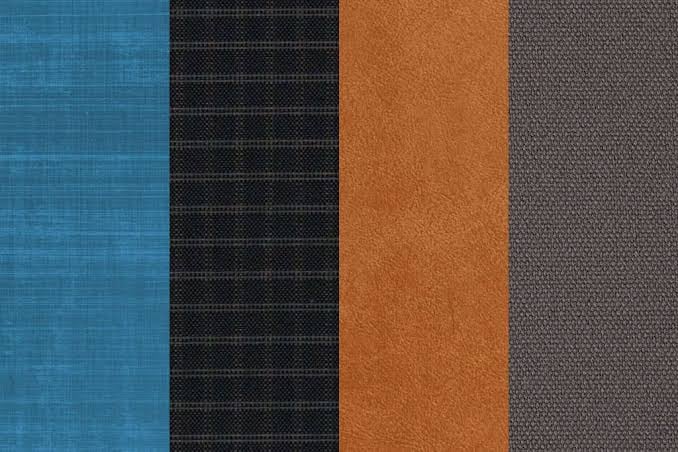
There is no single "best" fabric for hiking backpacks. What is certain, however, is that different fabrics have distinct characteristics, each suited to different types of hiking scenarios. Common materials for hiking backpacks today include standard nylon, polyester, Cordura, Robic, X-Pac, and DCF (Dyneema Composite Fabric). Let’s take a look at the key features and differences of each.
Part 1: Common Entry-Level Fabrics—Polyester vs. Standard Nylon
1.1 Standard Nylon — The Most Widespread, Best-Value-for-Money Option
-
- Fabric Overview: "Standard nylon" generally refers to fabrics made from polyamide fibers. It is used in over 50% of entry-level to mid-range backpacks on the market.
- Key Features: Good wear and tear resistance, combined with low cost. Compared to polyester, it is more durable and less prone to abrasion or scuffing during everyday use.
- Disadvantages: The fibers expand slightly upon absorbing water, causing the fabric to loosen; prolonged exposure to ultraviolet (UV) radiation can lead to degradation and embrittlement of the fabric.
- Suitable Types of Hiking Backpacks: budget-friendly entry-level packs and packs for short, 1–2 day hikes.
- Representative Brands: Entry-level series from various brands.
1.2 Polyester — A Low-Cost, Sun-Resistant, and Colorfast Option
-
- Fabric Overview: Polyester is commonly used for very low-cost backpacks, or for specific components of a backpack that do not need to bear significant loads—such as internal dividers or linings.
- Key Features: It offers exceptional UV resistance, is highly resistant to fading, and is virtually non-absorbent—all at a lower cost than standard nylon. When exposed to intense, direct sunlight, it boasts a longer lifespan than regular nylon.
- Disadvantages: Its abrasion resistance and tear strength are significantly inferior to those of nylon. To achieve the same level of strength, it must be made very thick (with a high denier count), which results in a very bulky bag.
- Suitable Types of Hiking Backpacks: Backpack for light hiking and casual outdoor activities.
- Representative Brands: Decathlon (entry-level models from the Forclaz line) and Deuter (entry-level offerings). These products make extensive use of high-denier polyester; while this adds to the overall weight, it ensures exceptional resistance to sun exposure and makes them highly accessible in terms of price.
Part 2: The "Body Armor" of Traditional Heavy-Duty Gear—Cordura
-
- Fabric Overview: Cordura is a specialized, high-strength, modified nylon fabric—the go-to material for traditional, heavy-duty backpacks.
- Key Features: Exceptionally wear-resistant, tear-resistant, and ruggedly durable. Its abrasion resistance is several times that of standard nylon, allowing it to withstand intense scraping against jagged rocks and encounters with thorny undergrowth.
- Disadvantages: It is quite heavy on its own, and since the fabric itself absorbs water, the backpack becomes even more cumbersome if it gets rained on.
- Suitable Types of Hiking Backpacks: For multi-day, long-distance backpacking with a heavy load, or for use in the reinforced base area of a pack.
- Representative Brands: The classic Terraframe series from Mystery Ranch makes extensive use of 330D or 500D Cordura. Osprey’s mainstream backpack models (such as the Aether and Volt) incorporate high-denier Cordura in their base sections.
Part 3: Modern Technical Fabrics—Robic vs. X-Pac vs. DCF
3.1 High-Strength Robic Nylon — A Modern, Well-Balanced All-Rounder
-
- Fabric Overview: Compared to standard nylon, Robic features an optimized molecular structure, resulting in a more than 20% improvement in both tensile strength and abrasion resistance.
- Key Features: It strikes a balance between weight and durability. Robic is significantly lighter than Cordura and more abrasion-resistant than standard nylon, offering exceptional value. Furthermore, it utilizes a ripstop weave to provide enhanced tear resistance.
- Disadvantages: It has only moderate UV resistance and is prone to aging under prolonged sun exposure; its waterproofing relies primarily on a coating, which is highly likely to undergo hydrolysis and peel off after a few years of use.
- Suitable Types of Hiking Backpacks: A standard 2–3 day hiking pack for three seasons (spring, summer, and autumn)—the top choice for most enthusiasts.
- Representative Brands: Osprey’s flagship product lines—such as the Talon, Exos, and Atmos series—incorporate Robic nylon extensively throughout their main pack bodies. Similarly, the classic Crown series from Granite Gear relies heavily on Robic fabric.
3.2 X-Pac — A Sharp, Structured "All-Weather Shield"
-
- Fabric Overview: X-Pac is a laminated composite fabric derived from sailcloth technology. Its structure is somewhat like a sandwich: an outer nylon layer + the signature X-Ply polyester grid + a waterproof film + a backing layer.
- Key Features: 100% waterproof, maintains a structured shape without sagging, highly tear-resistant, and features a distinctive appearance (grid texture).
- Disadvantages: The fabric is relatively stiff and lacks elasticity; areas subject to frequent, long-term folding may develop creases, or even experience slight delamination.
- Suitable Types of Hiking Backpacks: UL (ultralight) hiking backpacks, techwear-style hiking backpacks.
- Representative Brands: Hanchor’s core backpack models, such as the Marl and Breccia, utilize X-Pac almost exclusively across their entire lineups. Similarly, select limited-edition or upgraded versions of backpacks from brands like Gossamer Gear and Zpacks have also incorporated X-Pac to enhance water resistance and structural rigidity.
3.3 DCF — The "Ultimate Creed" for Ultralight Enthusiasts
-
- Fabric Overview: A premium fabric crafted from the ultra-strong fiber Dyneema. For the same weight, its tensile strength is 15 times that of high-quality steel.
- Key Features: Extremely lightweight, completely non-absorbent, and possessing extraordinary tensile strength. It is the key factor that enables a backpack’s weight to be reduced from 2kg to 500g.
- Disadvantages: It is extremely expensive; while resistant to tearing, it is relatively weak against point-punctures from sharp objects (such as cacti or jagged rock fragments).
- Suitable Types of Hiking Backpacks: An excellent choice for ultralight hiking backpacks or custom packs designed for months-long, high-intensity wilderness expeditions in all weather conditions.
- Representative Brands: Hyperlite Mountain Gear (HMG)—a dominant force in the high-end ultralight (UL) gear space—utilizes DCF across its entire Southwest and Windrider product lines. It also serves as the core material for the Arc Haul series of ultralight backpacks from Zpacks.
Comparison Table of Core Fabrics for 6 Popular Hiking Backpacks
|
Fabric Name |
Weight |
Price |
Abrasion & Tear Resistance |
Water Absorption & Waterproofing |
|
Polyester |
Relatively heavy |
Very cheap |
Poor |
Non-absorbent; relies on a coating for waterproofing |
|
Standard Nylon |
Medium |
Cheap |
Good |
Absorbs water; relies on a coating for waterproofing |
|
Cordura |
Very heavy |
Above average |
Top-tier abrasion resistance |
Absorbs water; relies on a coating for waterproofing |
|
Robic Nylon |
Relatively light |
Medium |
Excellent |
Low water absorption; relies on a coating for waterproofing |
|
X-Pac |
Relatively light |
Expensive |
Extremely strong |
100% structurally waterproof; non-absorbent |
|
DCF |
Ultra-light |
Extremely expensive |
Exceptional tensile strength / weak puncture resistance |
100% completely rainproof; non-absorbent |
Conclusion
As the descriptions indicate, each of the six mainstream materials used for hiking backpacks has its own specific focus; no single choice can be considered the absolute best in every respect. For instance, while Dyneema offers extreme lightweight properties and high tensile strength, its price might be enough to deter you. Similarly, a backpack made from Cordura fabric provides exceptional durability for outdoor use, but its inherent weight is a factor you’ll need to carefully weigh when planning a long-distance trip. Ultimately, the choice of backpack fabric comes down to matching it with the intended use scenario.