 EN
EN



A well-maintained student travel backpack serves as a reliable companion throughout academic journeys, from daily campus commutes to extended study abroad adventures. Proper care and maintenance not only extend the lifespan of your backpack but also ensure it continues to protect your valuable electronics, textbooks, and personal belongings. Understanding the fundamental principles of backpack maintenance empowers students to maximize their investment while maintaining functionality and appearance over years of use.
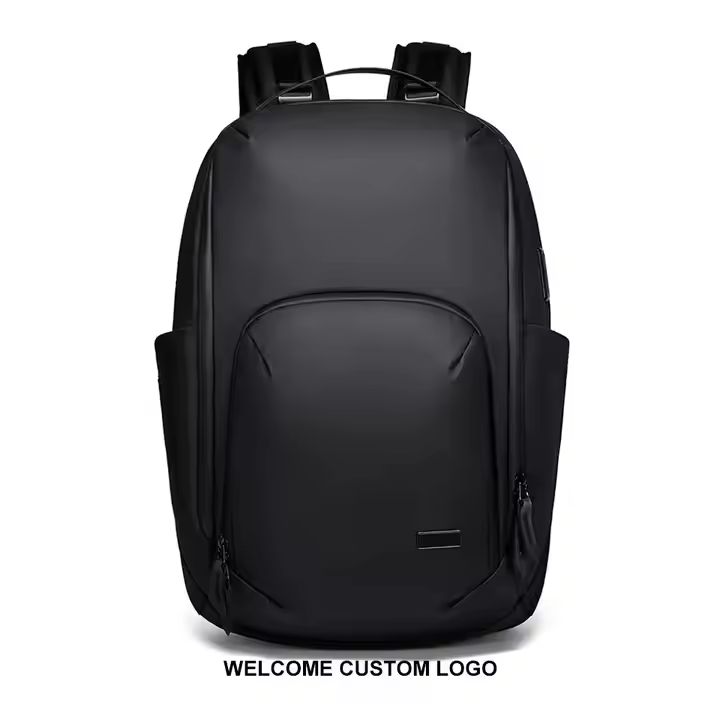
Modern backpacks designed for students incorporate advanced materials and construction techniques that require specific maintenance approaches. The combination of daily wear, varying weather conditions, and heavy loads places significant stress on zippers, seams, and fabric components. Regular maintenance routines prevent minor issues from developing into costly repairs or complete replacements, making proactive care essential for budget-conscious students.
Essential Cleaning Techniques for Different Materials
Fabric and Canvas Maintenance
Different fabric types require tailored cleaning approaches to maintain their integrity and appearance. Canvas and polyester materials, commonly used in student backpacks, respond well to gentle hand washing with mild detergents. Begin by emptying all compartments and removing any detachable components like straps or organizational inserts. Check manufacturer labels for specific cleaning instructions, as some materials may have special coatings that require particular care methods.
For surface cleaning, use a soft-bristled brush to remove accumulated dirt and debris from fabric surfaces. Focus on high-wear areas such as the bottom panel, shoulder strap contact points, and zipper tracks where grime typically accumulates. Avoid harsh scrubbing motions that might damage fabric weaves or protective coatings. Instead, use circular motions with moderate pressure to lift embedded particles without compromising material integrity.
When deep cleaning becomes necessary, prepare a solution of lukewarm water and mild detergent in a large basin or bathtub. Submerge the backpack completely, allowing the cleaning solution to penetrate fabric fibers for approximately fifteen minutes. Gently agitate the water to encourage soil release, paying particular attention to heavily soiled areas. Rinse thoroughly with clean water until no soap residue remains, as leftover detergent can attract dirt and cause fabric deterioration over time.
Leather and Synthetic Leather Care
Leather components require specialized care to maintain flexibility and prevent cracking or discoloration. Natural leather responds well to conditioning treatments that restore oils and maintain suppleness. Begin by cleaning leather surfaces with a damp cloth to remove surface dirt, then apply a high-quality leather conditioner using circular motions. Allow the conditioner to absorb completely before buffing with a clean, dry cloth to restore natural luster.
Synthetic leather materials offer increased durability but still benefit from regular cleaning and protection. Use mild soap solutions to clean synthetic surfaces, avoiding harsh chemicals that might cause discoloration or surface damage. Apply protective treatments designed specifically for synthetic materials to maintain water resistance and prevent premature aging. Regular conditioning prevents synthetic leather from becoming brittle and extends its functional lifespan significantly.
Zipper Care and Maintenance
Cleaning and Lubrication
Zippers represent critical failure points in backpack construction, making their maintenance essential for long-term functionality. Accumulated dirt, sand, and debris in zipper tracks cause increased friction and eventual mechanical failure. Regular cleaning prevents these issues while ensuring smooth operation under various conditions. Use a soft-bristled toothbrush to remove particles from zipper teeth, working systematically along the entire length of each zipper.
After cleaning, apply appropriate lubrication to maintain smooth operation and prevent premature wear. Graphite from pencil leads provides effective, dry lubrication for most zipper types. Run the pencil tip along zipper teeth, then operate the zipper several times to distribute the graphite evenly. For heavy-duty zippers or those exposed to harsh conditions, specialized zipper lubricants offer superior protection and longevity.
Repair and Replacement Strategies
Early intervention prevents minor zipper issues from becoming major problems requiring professional repair or component replacement. Stuck zippers often respond to gentle manipulation combined with appropriate lubrication techniques. Avoid forcing stuck zippers, as excessive pressure can cause permanent damage to teeth or slider mechanisms. Instead, work gradually while applying lubricant until normal operation returns.
When zipper sliders become loose or fail to engage properly, replacement may be necessary to restore full functionality. Many outdoor gear retailers offer zipper repair services or replacement slider kits for common zipper sizes. Document zipper specifications including length, width, and manufacturer details to ensure proper replacement components. Professional repair services provide cost-effective alternatives to complete backpack replacement when zipper systems fail.
Strap and Hardware Maintenance
Adjustable Strap Systems
Shoulder straps and adjustment systems experience significant stress during normal use, making regular inspection and maintenance crucial for user comfort and safety. Check strap webbing for fraying, cuts, or other damage that might compromise load-bearing capacity. Pay particular attention to stress points where straps attach to the main pack body, as these areas experience concentrated forces during use.
Adjustment buckles and hardware components require periodic cleaning and lubrication to maintain smooth operation. Remove accumulated dirt and debris from buckle mechanisms using compressed air or small brushes. Apply silicone spray lubricants to moving parts, ensuring all adjustment points operate smoothly without binding or sticking. Test all adjustment ranges to verify proper function and identify any developing issues early.
Padding and Comfort Features
Padded shoulder straps and back panels require special attention to maintain their comfort and support characteristics. Compressed or damaged padding reduces carrying comfort and can cause pressure points during extended use. Inspect padding regularly for signs of compression, tearing, or moisture damage that might compromise performance. Replace or repair damaged padding promptly to maintain optimal carrying comfort.
Moisture management becomes critical for padded components, as trapped moisture can lead to odor development and material degradation. After exposure to rain or excessive perspiration, allow padded areas to dry thoroughly before storage. Use moisture-absorbing materials or fans to accelerate drying when necessary, ensuring complete moisture removal to prevent mold or mildew development.
Water Resistance and Protection
Maintaining Waterproof Coatings
Many student backpacks feature water-resistant or waterproof coatings that require periodic renewal to maintain effectiveness. These protective treatments gradually wear away through normal use and exposure to environmental conditions. Test water resistance regularly by applying small amounts of water to fabric surfaces and observing penetration rates. Areas where water soaks in quickly indicate coating degradation requiring attention.
Reapplication of protective treatments restores water resistance and extends fabric life significantly. Choose treatments specifically designed for your backpack's material composition, as different fabrics require different chemical formulations. Follow manufacturer instructions carefully during application, ensuring even coverage and appropriate curing times. Proper ventilation during application prevents chemical exposure and ensures optimal treatment performance.
Seam Sealing and Protection
Seam integrity plays a crucial role in overall water resistance, as even minor gaps allow moisture penetration that can damage contents. Inspect seams regularly for signs of wear, separation, or coating degradation that might compromise water protection. Pay particular attention to high-stress seams such as shoulder strap attachments and bottom panel connections where movement creates additional wear.
Seam sealing products provide additional protection for critical areas while reinforcing structural integrity. Apply seam sealers to vulnerable areas following manufacturer guidelines for preparation and application. Allow adequate curing time before exposing treated seams to moisture or stress. Regular seam maintenance prevents minor issues from developing into major structural failures requiring expensive repairs.
Storage and Environmental Considerations
Proper Storage Techniques
Correct storage practices significantly impact backpack longevity and maintain optimal performance between uses. Store backpacks in clean, dry environments away from direct sunlight and extreme temperatures. Ultraviolet radiation causes fabric degradation and color fading, while temperature extremes can affect material flexibility and adhesive bonds in composite construction.
Before storage, ensure backpacks are completely clean and dry to prevent mold, mildew, and odor development. Leave all compartments open to promote air circulation and prevent moisture accumulation. Store backpacks in hanging positions when possible to maintain shape and prevent compression of padded components. Avoid folding or compressing backpacks during long-term storage, as this can cause permanent creasing or padding damage.
Climate Protection Strategies
Environmental conditions significantly impact student travel backpack materials and construction integrity. High humidity environments accelerate mold and mildew growth while promoting metal corrosion in hardware components. Use moisture-absorbing materials during storage in humid conditions and inspect regularly for signs of biological growth or metal deterioration.
Extreme cold can make synthetic materials brittle and increase the risk of cracking or tearing during use. Allow backpacks to acclimate gradually to temperature changes when moving between extreme environments. Avoid placing cold backpacks near heat sources, as rapid temperature changes can cause material stress and potential damage. Gradual warming prevents thermal shock and maintains material integrity.
Organization and Load Management
Weight Distribution Principles
Proper loading techniques reduce stress on backpack components while improving user comfort and safety. Distribute weight evenly across all compartments, placing heaviest items closest to the back panel and centered vertically. This configuration maintains optimal center of gravity and reduces strain on attachment points and structural seams. Avoid concentrating heavy loads in single compartments, as this creates stress concentrations that can lead to premature failure.
Utilize all available compartments and organizational features to distribute loads effectively. Smaller, frequently accessed items should occupy exterior pockets and easily accessible compartments. Organize contents systematically to minimize searching and reduce handling stress on zippers and closures. Proper organization also reduces the temptation to overload compartments beyond their design capacity.
Capacity Management
Respecting manufacturer-specified capacity limits prevents structural damage and maintains user safety during transport. Excessive loading strains seams, zippers, and attachment points beyond their design limits, leading to premature failure and potential safety hazards. Monitor pack weight regularly and remove unnecessary items to maintain optimal loading conditions.
Seasonal loading adjustments accommodate changing academic requirements while maintaining proper weight distribution. During exam periods, additional textbooks and materials may require load redistribution or temporary capacity increases. Consider supplementary storage solutions during peak loading periods rather than exceeding backpack design limits. This approach maintains structural integrity while meeting temporary capacity needs.
Regular Inspection and Maintenance Schedule
Daily and Weekly Checks
Establishing routine inspection schedules identifies potential issues before they become serious problems requiring extensive repairs. Daily visual inspections focus on high-wear areas such as zippers, strap attachments, and fabric surfaces for signs of damage or excessive wear. Weekly detailed inspections include thorough cleaning of accumulated debris and lubrication of moving components as needed.
Document inspection findings and maintenance activities to track wear patterns and identify recurring issues. This information helps optimize maintenance schedules and identify design limitations that might influence future purchasing decisions. Regular documentation also provides valuable information for warranty claims or insurance purposes should major damage occur.
Seasonal Maintenance Requirements
Seasonal maintenance addresses environmental impacts and prepares backpacks for changing use patterns throughout academic years. Before winter months, apply additional water protection treatments and inspect insulation or weather protection features. Summer preparation focuses on ventilation system cleaning and moisture management preparation for increased perspiration and humidity exposure.
Academic transition periods provide ideal opportunities for comprehensive maintenance and deep cleaning procedures. Clean and inspect all components thoroughly before storing during breaks or transitioning between academic levels. Address any identified issues during low-use periods to ensure optimal performance when regular use resumes. This proactive approach prevents disruptions during critical academic periods.
FAQ
How often should I clean my student backpack completely?
Complete cleaning frequency depends on usage patterns and environmental conditions, but most students benefit from thorough cleaning every 2-3 months during active use periods. Heavy daily use or exposure to harsh conditions may require monthly deep cleaning, while light use allows for quarterly maintenance schedules. Monitor visible soil accumulation and odor development to determine optimal cleaning intervals for your specific circumstances.
What should I do if my backpack gets wet from rain?
When your backpack becomes wet, remove all contents immediately and open all compartments to promote air circulation and rapid drying. Hang the backpack in a well-ventilated area away from direct heat sources, which can damage materials or cause shrinkage. Stuff compartments with absorbent materials like newspaper or towels to speed moisture removal and maintain shape during drying. Ensure complete dryness before reloading to prevent mold and mildew development.
Can I machine wash my student travel backpack?
Machine washing capability varies significantly between backpack designs and materials, making manufacturer guidance essential before attempting machine cleaning. Many backpacks with structured frames, leather components, or electronic features require hand cleaning only. If machine washing is approved, use gentle cycles with mild detergents and avoid fabric softeners that can compromise water-resistant coatings. Always air dry completely and never use heated drying cycles.
How do I know when it's time to replace rather than repair my backpack?
Consider replacement when repair costs exceed 50% of a new backpack's value, or when structural damage compromises safety and functionality. Multiple component failures, extensive fabric deterioration, or frame damage typically indicate end-of-life conditions requiring replacement. However, minor issues like zipper problems, strap wear, or surface damage often justify repair investments, especially for high-quality backpacks with remaining structural integrity.